86+09153618258
Leave Your Message
-
Contact Phone
-
 Contact Email
Premium konjac-based hot pot ingredients designed for effective weight management and healthy eating
The global weight management food market has experienced unprecedented growth over the past decade, with konjac-based products emerging as a dominant force in the meal replacement sector. Konjac hot pot ingredients represent a revolutionary convergence of traditional Asian culinary practices and modern nutritional science, offering consumers an authentic dining experience without compromising their weight loss goals.
The konjac plant (Amorphophallus konjac), native to East Asia, has been cultivated for over 2,000 years. However, its transformation into convenient hot pot ingredients for weight loss meal replacement represents a relatively recent innovation that addresses multiple contemporary consumer demands: convenience, taste, nutritional value, and effective calorie management.
Market research indicates that the global konjac food market is projected to reach $3.8 billion by 2028, growing at a CAGR of 7.2%. This growth is primarily driven by increasing obesity rates worldwide, rising health consciousness, and the growing popularity of Asian cuisine in Western markets. Konjac hot pot ingredients occupy a unique position within this market, combining the social and experiential aspects of hot pot dining with the functional benefits of meal replacement products.
Konjac contains glucomannan, a water-soluble dietary fiber that expands in the stomach, creating a feeling of fullness with minimal calorie intake. A typical serving of konjac noodles contains only 10-20 calories compared to 200-300 calories in regular wheat-based noodles, representing a calorie reduction of over 90% while maintaining satisfying portion sizes.
The commercial production of konjac hot pot ingredients has evolved significantly, with several distinct market segments emerging:
Leading manufacturers have invested heavily in production technology that addresses traditional challenges associated with konjac products, including the characteristic odor, texture improvement, and shelf-life extension. Modern processing techniques now produce konjac ingredients with neutral taste profiles that readily absorb the flavors of hot pot broths and seasonings.
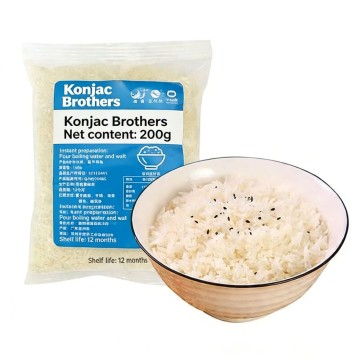
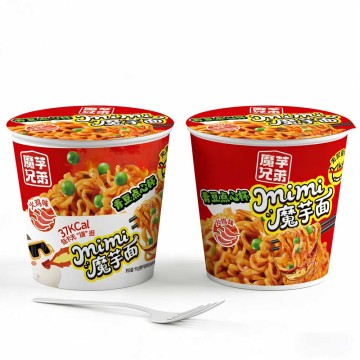
1. Product Innovation and Diversification: Manufacturers are expanding beyond traditional noodle formats to include konjac rice, shaped ingredients (such as knots, strips, and pearls), and hybrid products combining konjac with other functional ingredients like spirulina, activated charcoal, or collagen peptides. This diversification caters to varying consumer preferences and allows for more creative hot pot experiences.
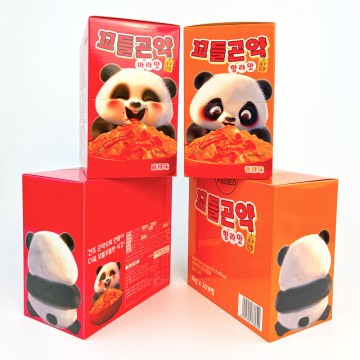
2. Flavor Profile Enhancement: The industry is moving away from bland, functional products toward gourmet experiences. Regional flavor adaptations—such as Sichuan spicy, Japanese miso, Korean kimchi, and Thai tom yum—are being developed to appeal to diverse palates while maintaining the weight loss benefits. Premium seasoning packets with authentic ingredients are becoming standard rather than exceptional.
3. Clean Label and Organic Certification: Consumer demand for transparency has driven manufacturers to pursue organic certifications, non-GMO verification, and clean label formulations. Products free from artificial preservatives, colors, and additives command premium pricing and stronger brand loyalty.
4. Sustainability and Environmental Positioning: Konjac cultivation requires significantly less water and agricultural inputs compared to grain crops, positioning these products favorably in the sustainability narrative. Brands are increasingly highlighting the environmental benefits alongside health advantages, appealing to environmentally conscious consumers.
5. Technology Integration: Smart packaging with QR codes linking to nutritional tracking apps, recipe suggestions, and community platforms is becoming more common. Some brands are developing subscription models with AI-powered meal planning that incorporates konjac hot pot ingredients into comprehensive weight loss programs.
6. Medical and Clinical Applications: Research into glucomannan's effects on blood sugar regulation, cholesterol management, and gut health is opening new markets in medical nutrition and diabetes management. Some products are being positioned as medical foods with specific health claims supported by clinical evidence.
For individuals following structured weight loss programs, konjac hot pot ingredients offer unparalleled flexibility. Unlike rigid meal replacement shakes or bars, these ingredients allow for customization and variety. A typical application involves:
Clinical studies have demonstrated that participants using konjac-based meal replacements achieve average weight loss of 5-8 pounds per month when combined with moderate exercise, with notably higher adherence rates compared to liquid meal replacements due to the satisfying nature of hot pot meals.
Progressive companies implementing wellness programs are incorporating konjac hot pot stations in their cafeterias. This application addresses multiple corporate objectives:
Universities and hospitals are also adopting konjac hot pot ingredients as part of their healthy dining initiatives, particularly appealing to international students familiar with Asian cuisine and health-conscious medical staff.
Athletes and fitness enthusiasts use konjac hot pot ingredients during cutting phases when calorie restriction is necessary while maintaining training intensity. The high fiber content helps preserve satiety despite caloric deficits, and the neutral flavor profile allows for precise macronutrient management by controlling protein and fat additions to the hot pot.
Specialized products targeting this demographic include protein-fortified konjac noodles, products with added BCAAs (branched-chain amino acids), and pre-portioned meal kits designed around specific macronutrient ratios.
Post-bariatric surgery patients face unique dietary challenges, requiring high-nutrient density in small volumes while avoiding foods that may cause dumping syndrome. Konjac hot pot ingredients, when properly prepared with appropriate protein sources and micronutrient-rich vegetables, provide an ideal solution:
Some bariatric centers now include konjac product education in their pre- and post-surgery nutritional counseling programs.
Elderly populations face unique challenges including reduced metabolism, medication-related weight gain, and difficulty with meal preparation. Konjac hot pot ingredients address these concerns through:
Specialized senior-focused products feature larger print packaging, simplified cooking instructions, and flavor profiles appealing to older palates.
The intersection of konjac hot pot ingredients with emerging food technologies presents exciting opportunities. Personalized nutrition services using genetic testing to customize meal plans increasingly include konjac products. The growing meal kit delivery market is incorporating konjac ingredients into weight-loss-focused subscription boxes. Virtual reality dining experiences are being developed where konjac's neutral base allows for flavor-enhanced experiences that trick the brain into perceiving indulgent meals while consuming minimal calories.
The regulatory environment for konjac hot pot ingredients varies significantly across markets. In the United States, the FDA recognizes konjac glucomannan as Generally Recognized as Safe (GRAS), though specific regulations govern labeling and health claims. The European Union has approved specific health claims related to glucomannan's effects on weight loss and cholesterol reduction, provided products meet minimum fiber content requirements.
In Asian markets where konjac has traditional food status, regulations tend to be less restrictive, though quality standards are increasingly stringent. International trade requires compliance with importing country standards, creating opportunities for manufacturers who can navigate complex regulatory requirements and maintain multiple certifications.
Quality considerations specific to konjac hot pot ingredients include:
Full-spectrum support for konjac hot pot ingredient businesses and weight loss meal replacement programs




For businesses considering entry into the konjac hot pot ingredient market for weight loss meal replacement, several strategic factors warrant careful consideration:
The market has evolved beyond simple commodity konjac products. Successful brands differentiate through:
Multi-channel distribution approaches yield optimal results:
Despite growing awareness, konjac products still face adoption barriers in Western markets. Successful brands address these through:
As consumer consciousness around food system impacts grows, transparent and sustainable sourcing becomes a competitive advantage. Leading brands are:
Explore our full selection of konjac hot pot ingredients for weight loss meal replacement