86+09153618258
Leave Your Message
-
Contact Phone
-
 Contact Email
Premium Selection for Health-Conscious Consumers
The global gluten-free food market has experienced exponential growth over the past decade, driven by increasing awareness of celiac disease, gluten sensitivity, and the rising demand for healthier dietary alternatives. Within this expanding market, konjac noodles have emerged as a revolutionary ingredient for gluten-free pasta production, offering unique nutritional benefits and versatile culinary applications that traditional wheat-based pasta cannot match.
Konjac noodles, derived from the konjac plant (Amorphophallus konjac), are naturally gluten-free, extremely low in calories, and rich in glucomannan—a soluble dietary fiber with proven health benefits. As consumer preferences shift toward plant-based, low-carbohydrate, and functional foods, konjac noodles have positioned themselves at the forefront of the gluten-free pasta revolution, attracting attention from food manufacturers, health-conscious consumers, and the medical community alike.
The commercial trajectory of konjac noodles in gluten-free pasta production reflects broader trends in the functional food industry. Market research indicates that the global gluten-free pasta market is projected to reach $2.8 billion by 2028, with konjac-based products capturing an increasingly significant share. This growth is fueled by multiple factors including rising celiac disease diagnoses, the popularity of ketogenic and paleo diets, and growing consumer awareness of the connection between diet and chronic disease prevention.
Major food manufacturers and specialty brands have recognized the commercial potential of konjac noodles, leading to significant investments in production capacity, research and development, and marketing initiatives. The ingredient's versatility allows for integration into various product categories beyond traditional pasta, including ready-to-eat meals, soup bases, and fusion cuisine applications.
The industrial production of konjac noodles for gluten-free pasta applications involves sophisticated processing techniques that preserve the ingredient's nutritional integrity while optimizing texture, shelf stability, and consumer appeal. Modern manufacturing facilities employ advanced technologies to transform raw konjac flour into finished products that meet stringent food safety standards and quality specifications.
The manufacturing process begins with the extraction of glucomannan from konjac corms, followed by purification and refinement stages. The refined konjac flour is then mixed with water and alkaline coagulants (typically calcium hydroxide or sodium carbonate) to form a gel structure. This gel is extruded through specialized noodle-forming equipment, cut to desired lengths, and subjected to controlled heating and cooling cycles to stabilize the final product structure.
Advanced production lines incorporate automated quality control systems that monitor parameters such as moisture content, pH levels, texture consistency, and microbiological safety. These systems ensure batch-to-batch consistency and compliance with international food safety standards including HACCP, ISO 22000, and organic certifications where applicable.
Beyond retail consumer products, konjac noodles have found substantial applications in institutional food service, including hospitals, schools, corporate cafeterias, and airline catering. The ingredient's long shelf life, ease of preparation, and nutritional profile make it particularly attractive for large-scale food service operations seeking to accommodate diverse dietary requirements.
Food manufacturers are also incorporating konjac noodles as ingredients in frozen meals, meal kits, and ready-to-eat products, capitalizing on the growing demand for convenient, health-oriented food solutions. The ingredient's neutral flavor profile allows it to absorb seasonings and sauces effectively, making it adaptable to various cuisines and flavor systems.
The nutritional profile of konjac noodles distinguishes them significantly from both traditional wheat pasta and other gluten-free alternatives such as rice or corn-based products. With approximately 10 calories per 100-gram serving compared to 350+ calories in conventional pasta, konjac noodles offer dramatic caloric reduction without sacrificing portion size—a critical factor for weight management applications.
Glucomannan, the primary component of konjac noodles, has been extensively studied for its health-promoting properties. Clinical trials have demonstrated that regular consumption of glucomannan can support healthy blood glucose levels, promote cardiovascular health through cholesterol reduction, enhance satiety and weight management, and improve digestive function through prebiotic effects. These evidence-based benefits position konjac noodles as a functional food ingredient with therapeutic potential beyond basic nutrition.
For individuals with celiac disease or non-celiac gluten sensitivity, konjac noodles provide a safe, nutritious alternative that doesn't compromise on texture or culinary versatility. The absence of common allergens (gluten, soy, dairy, nuts) makes konjac noodles suitable for multiple dietary restriction scenarios, expanding their market appeal significantly.
The konjac noodle sector is experiencing rapid innovation as manufacturers seek to differentiate their offerings and capture emerging consumer preferences. Recent product development trends include the incorporation of functional ingredients such as spirulina, turmeric, and activated charcoal to enhance nutritional profiles and visual appeal. Flavor innovation has expanded beyond traditional Asian profiles to include Mediterranean, Mexican, and fusion cuisines.
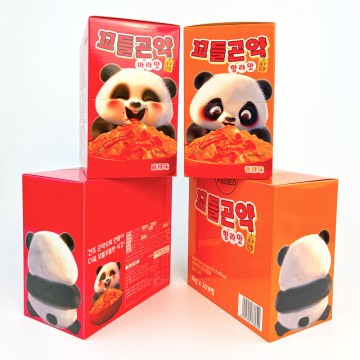
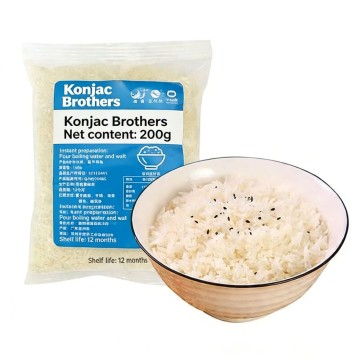
Product formats have evolved significantly from basic noodle shapes to include rice alternatives, pasta sheets for lasagna, shaped pasta for specific dishes, and even konjac-based snack products. This diversification allows manufacturers to address multiple meal occasions and consumer use cases, from breakfast porridges to dinner entrees and between-meal snacks.
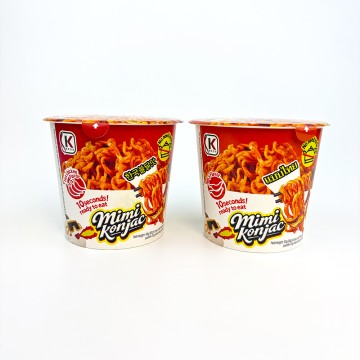
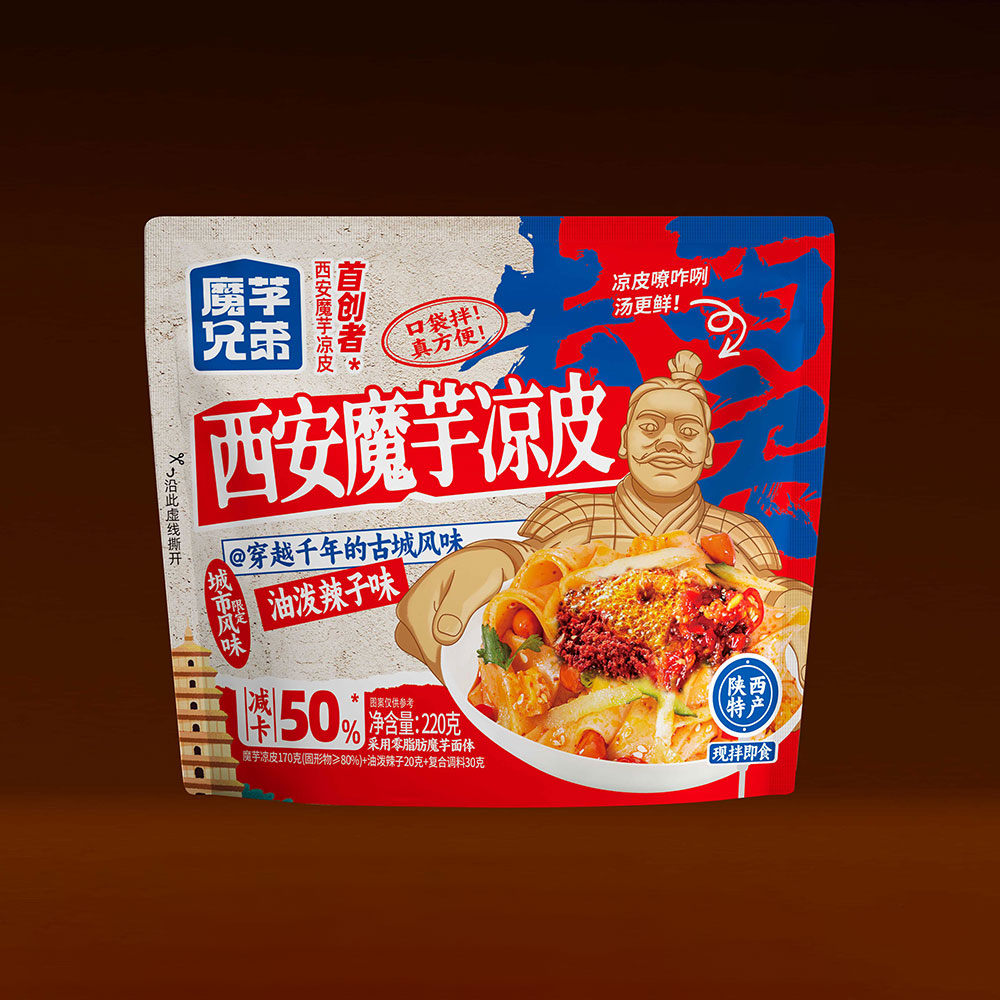
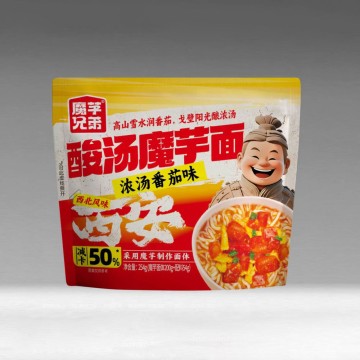
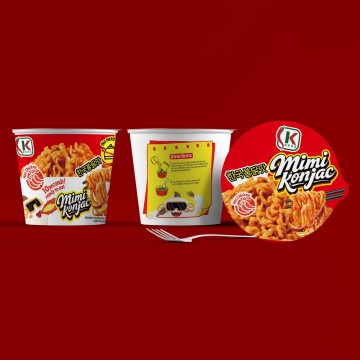
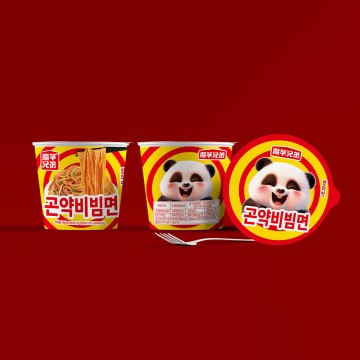
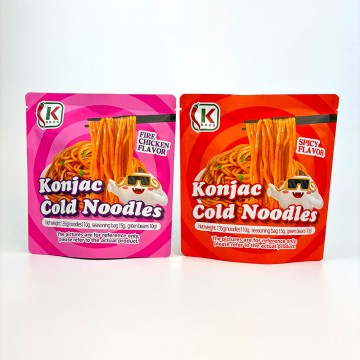
Packaging innovation has also played a crucial role in market expansion. Single-serve cups with integrated seasoning packets, shelf-stable pouches with extended shelf life, and eco-friendly packaging materials align with consumer demands for convenience, sustainability, and portion control. Some manufacturers have introduced dry konjac noodle products that offer even longer shelf life and reduced shipping costs compared to traditional wet-packed formats.
Advanced food technology applications are improving the sensory characteristics of konjac noodles, addressing historical consumer concerns about texture and aroma. Proprietary processing methods, enzymatic treatments, and hybrid formulations that combine konjac with complementary ingredients are yielding products with improved mouthfeel and broader consumer acceptance.
The konjac supply chain presents both opportunities and challenges for gluten-free pasta production. Konjac cultivation is primarily concentrated in East Asia, particularly China, Japan, and Southeast Asian countries where the plant thrives in mountainous, humid environments. This geographic concentration creates supply chain considerations for global manufacturers regarding sourcing reliability, quality consistency, and cost stability.
From a sustainability perspective, konjac cultivation offers several environmental advantages. The plant requires minimal pesticide inputs, grows well in marginal agricultural lands unsuitable for other crops, and has a relatively low water footprint compared to grain crops. The perennial nature of konjac plants also contributes to soil stability and carbon sequestration, aligning with sustainable agriculture principles.
However, increased global demand for konjac products has prompted concerns about sustainable sourcing practices and the need for certified supply chains. Leading manufacturers are implementing traceability systems, supporting farmer cooperatives, and investing in agricultural extension programs to ensure long-term supply sustainability while supporting rural economies in konjac-growing regions.
The regulatory landscape for konjac noodles varies across different markets, with most major jurisdictions recognizing konjac as a safe food ingredient with a long history of consumption. In the European Union, konjac is approved as a food additive (E425) and food ingredient, though specific regulations govern its use in certain product categories, particularly for young children due to choking risk considerations.
In North America, konjac glucomannan is recognized as Generally Recognized as Safe (GRAS) by the FDA, and konjac-based foods are subject to standard food labeling and safety requirements. Manufacturers must navigate various certification requirements including organic, kosher, halal, and allergen-free designations to access different market segments.
Quality standards for konjac noodles encompass multiple parameters including glucomannan content, moisture levels, pH, microbial safety, and absence of contaminants. Industry associations and major buyers have established specifications that often exceed regulatory minimums, driving continuous improvement in production practices and quality assurance systems.
The future of konjac noodles in gluten-free pasta production appears exceptionally promising, supported by converging trends in health consciousness, dietary diversification, and food technology advancement. Market analysts project continued double-digit growth rates for the sector through 2030, with particular expansion opportunities in emerging markets where Western dietary patterns are being adopted alongside traditional cuisines.
Technological innovations in food processing, flavor development, and nutritional enhancement will likely yield next-generation konjac products with even broader consumer appeal. The integration of konjac noodles into personalized nutrition programs, medical nutrition therapy, and weight management systems represents a significant growth frontier as healthcare and food sectors increasingly intersect.
The expansion of plant-based eating patterns, driven by environmental concerns and animal welfare considerations, positions konjac noodles favorably as a sustainable, ethical protein and grain alternative. As consumers seek foods that align with their values while delivering health benefits and culinary satisfaction, konjac noodles are well-positioned to capture growing market share in the global gluten-free and functional food categories.
End-to-End Solutions for Gluten-Free Product Development
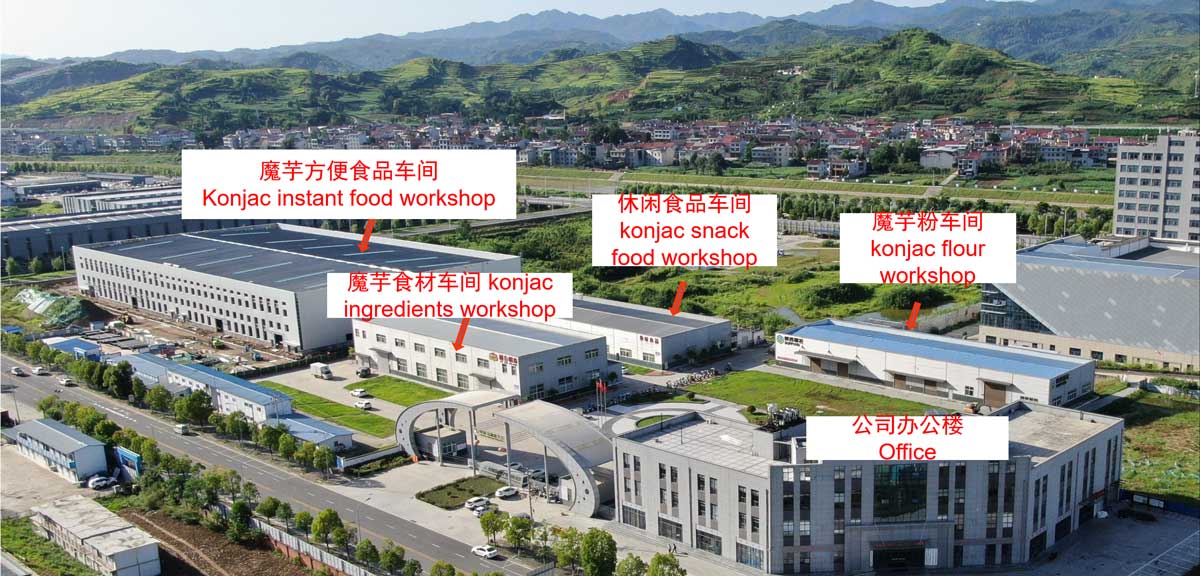
We offer full-process customized services from product design, R&D to manufacturing. We support customers to independently define product formulas, specifications, packaging and process flows according to their own needs, and we are responsible for production implementation to help customers create exclusive branded products.
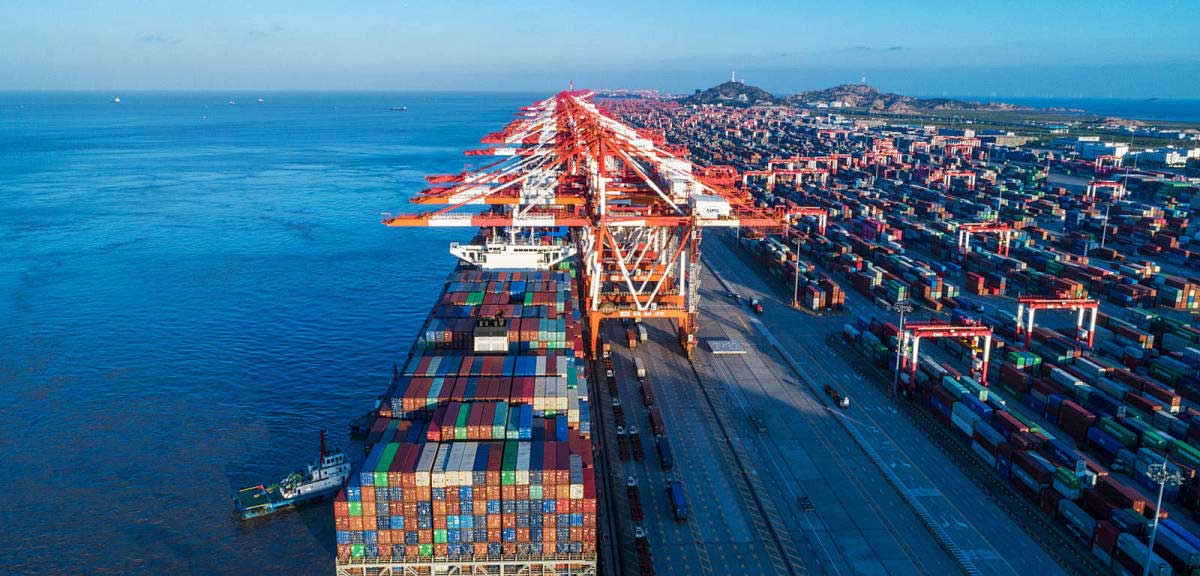
We provide one-stop professional foreign trade export services, covering customs declaration, inspection, international logistics, document processing and other full-link services. We support two trade terms: FOB (Free On Board) and CIF (Cost, Insurance and Freight), and offer various international freight solutions such as door-to-port and port-to-port to ensure safe and on-time delivery of goods to global destinations.

We carry out joint R&D cooperation with enterprises in different industries, integrating the technical, resource and market advantages of both parties to jointly develop innovative products. Focusing on the fields of healthy food and functional ingredients, we create differentiated products that meet new market demands through cross-border technology integration and formula innovation.

We provide full-link support for brand marketing and communication, including market research, brand positioning, content planning, and online & offline promotion planning. Combining industry trends with customer brand characteristics, we develop precise promotion strategies to enhance product visibility and market share.
Diverse Gluten-Free Solutions for Every Application