86+09153618258
Leave Your Message
-
Contact Phone
-
 Contact Email
Explore our premium selection of low-carb, high-fiber konjac products formulated specifically to support ketogenic dietary standards without compromising on texture or taste.
The global surge in the ketogenic (keto) diet has fundamentally transformed how food manufacturers, retailers, and consumers approach carbohydrates. The ketogenic diet relies on a metabolic state called ketosis, where the body burns fat for fuel instead of glucose. To maintain ketosis, daily net carbohydrate intake must typically remain under 20 to 50 grams. This strict nutritional threshold makes traditional wheat-based pasta, rice, and grain-based noodles completely incompatible with the diet. Enter konjac noodles—a food innovation that has emerged as the definitive low-carb, zero-net-carb alternative for health-conscious consumers worldwide.
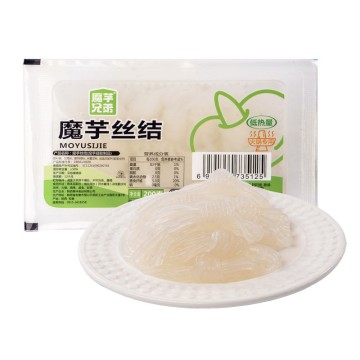
Derived from the tuberous root of the Amorphophallus konjac plant, native to warm subtropical and tropical regions of East Asia, konjac is composed almost entirely of glucomannan. Glucomannan is a highly viscous, water-soluble dietary fiber that the human digestive system cannot easily break down. Consequently, konjac noodles deliver virtually zero calories, zero net carbohydrates, and a glycemic index (GI) of zero. This unique macronutrient profile makes them an invaluable asset for ketogenic diet product lines, offering the sensory satisfaction of traditional pasta without triggering insulin spikes or disrupting ketosis.
The commercial market for konjac-based foods is undergoing a rapid evolution, moving from a niche Asian dietary staple to a mainstream global commodity. Industry reports project the global konjac market to grow at a Compound Annual Growth Rate (CAGR) of over 7.2% through the next decade. This growth is heavily propelled by the rising prevalence of lifestyle diseases such as obesity and type-2 diabetes, coupled with the mainstreaming of low-carb, gluten-free, and vegan lifestyles.
Historically, konjac noodles (traditionally known as shirataki) faced criticisms regarding their texture—often described as rubbery or gelatinous—and a distinct alkaline odor stemming from the calcium hydroxide used as a coagulant. Modern food science and advanced industrial manufacturing have resolved these issues. Today's state-of-the-art processing lines employ proprietary deodorization techniques and incorporate secondary ingredients such as oat fiber, soy flour, or ancient grains (e.g., highland barley) to modify the structural matrix of the noodles.
By carefully balancing the ratio of konjac flour to water and adding texturizing agents, manufacturers can now replicate the "al dente" bite of traditional Italian pasta. This technological leap has opened doors for premium private label brands to introduce konjac-based spaghetti, fettuccine, and lasagne sheets that perform exceptionally well in retort packaging and ready-to-eat (RTE) meals.
For B2B buyers, sourcing konjac products requires strict adherence to international quality standards. The cultivation of raw konjac tubers demands specific soil chemistry and climatic conditions, primarily found in the mountainous regions of Southwest China and parts of Southeast Asia. Leading manufacturers maintain vertically integrated supply chains—from farm cultivation to advanced purification facilities—ensuring that the raw glucomannan is free from heavy metals, pesticides, and microbial contamination. Certifications such as BRCGS, IFS, ISO 22000, USDA Organic, Halal, and Kosher have become industry standards, allowing seamless export to highly regulated markets like North America, the European Union, and Australia.
Konjac noodles are no longer confined to basic wet-pack bags floating in water. The modern food industry has developed diverse, high-value application scenarios that target specific consumer pain points and lifestyle preferences:
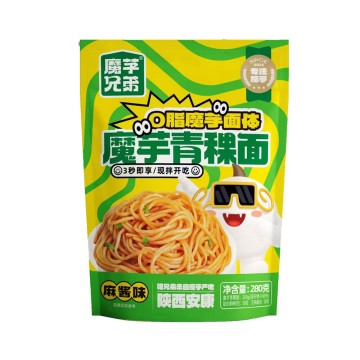
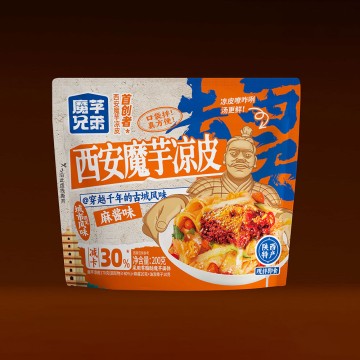
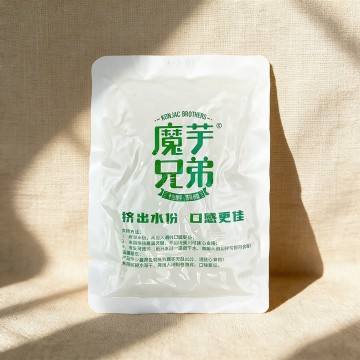
Convenience is a primary driver in the modern food market. Brands are increasingly leveraging retort-sterilized konjac noodles pre-mixed with keto-friendly sauces (such as low-sugar marinara, alfredo, or sesame paste). Because konjac does not become mushy when stored in liquid, it serves as the perfect vehicle for shelf-stable, microwaveable meals that cater to busy professionals adhering to a ketogenic regimen.
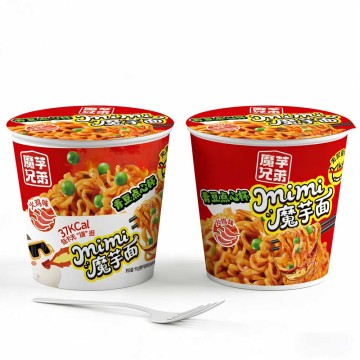
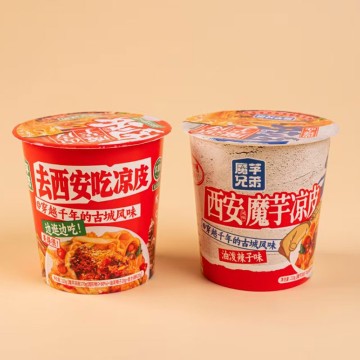
The instant noodle market is notoriously high in carbs and sodium. By substituting wheat noodles with dehydrated or semi-finished konjac noodle blanks, food brands can offer a guilt-free, instant cup noodle. Combined with freeze-dried vegetables and high-fat keto broth powders (containing MCT oil or bone broth), these products provide instant energy and satiety within minutes.
To appeal to consumers transitioning from high-carb diets, manufacturers are blending konjac with small amounts of high-fiber grains like highland barley or green beans. These hybrid noodles maintain a low glycemic index and low net carb count while significantly improving the nutritional profile, adding natural proteins, vitamins, and minerals that pure konjac lacks.
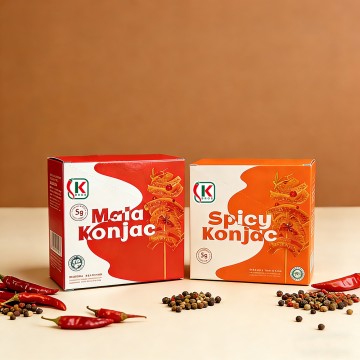
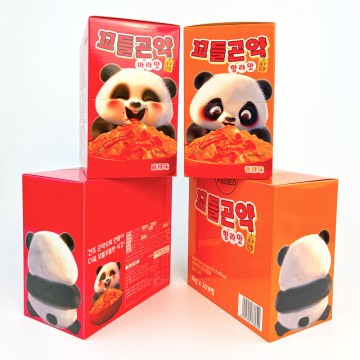
Beyond noodles, konjac is processed into low-calorie, high-fiber crisps and spicy slices. These snacks mimic the texture of traditional wheat or potato chips, providing the crunch and chew that keto dieters often miss, without the associated carbohydrate load.
Partner with us to develop, manufacture, and distribute cutting-edge ketogenic food products. We offer end-to-end services tailored to the rapidly growing global low-carb market.
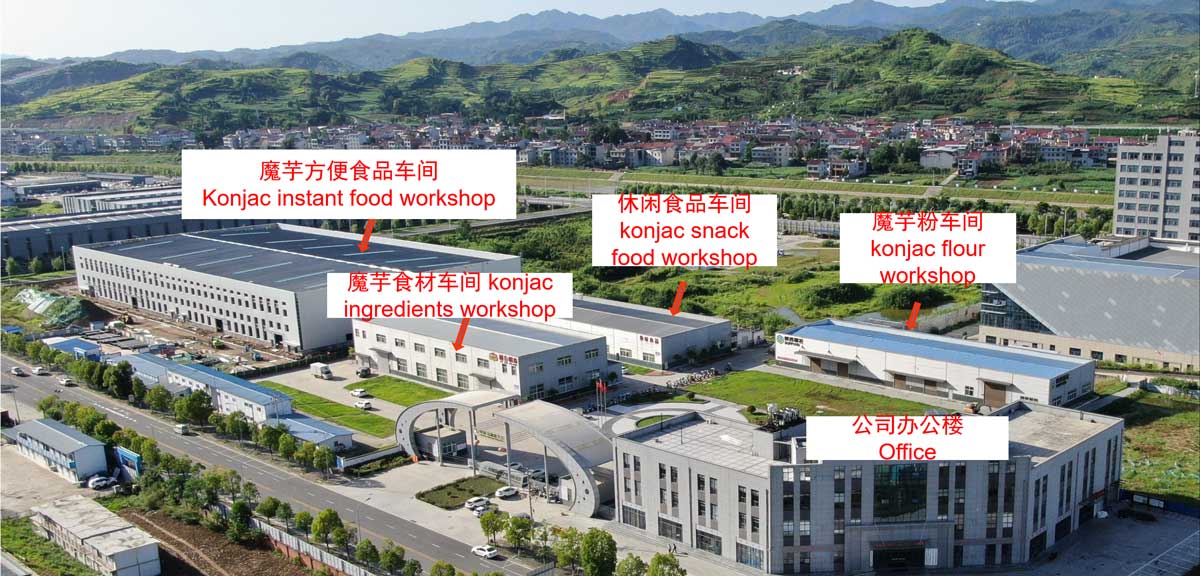



As the health and wellness sector matures, consumer expectations are shifting from simple carbohydrate elimination to holistic nutrition. The future of ketogenic konjac products lies in value-added formulations and sustainability.
Today's consumers are highly scrutinizing ingredient decks. The demand for "clean label" products—those free from artificial preservatives, colors, and genetically modified organisms (GMOs)—is at an all-time high. B2B manufacturers are responding by sourcing certified organic konjac flour and utilizing natural preservation methods, such as high-temperature retort sterilization, to eliminate the need for chemical preservatives.
Glucomannan is highly regarded not just for its carb-blocking properties, but also as a powerful prebiotic. It selectively feeds beneficial gut bacteria, promoting a healthy microbiome. Future marketing and product positioning of keto konjac noodles will increasingly highlight this gut-brain axis connection, appealing to consumers looking for metabolic support alongside digestive wellness.
Konjac is an environmentally resilient crop, requiring fewer water resources and pesticides compared to traditional grains like wheat or rice. As corporate social responsibility (CSR) becomes a key purchasing criterion for global retailers, highlighting the eco-friendly lifecycle of konjac cultivation will provide brands with a distinct competitive edge in Western markets.
Discover our complete portfolio of konjac-based solutions, ranging from ready-to-eat traditional noodles to innovative low-carb snacks and semi-finished manufacturing ingredients.