
 86+09153618258
Leave Your Message
-
Contact Phone
-
 Contact Email
When discussing Konjac Noodles For Thickening In Dairy Products, it may initially sound like a culinary paradox. However, in the realm of advanced food science and industrial hydrocolloids, the raw materials used to create konjac noodles—specifically high-purity Konjac Glucomannan (KGM)—are revolutionizing how dairy and plant-based dairy alternatives achieve their luxurious textures. The global food industry is currently undergoing a massive shift towards clean-label, plant-based, and highly functional ingredients. Traditional thickeners such as gelatin (animal-derived), modified starches, and chemically altered gums are facing increased scrutiny from health-conscious consumers and strict regulatory bodies.
This is where konjac derivatives step in. By utilizing semi-finished konjac noodle blanks and milling them into micro-particulate powders, or by directly employing premium konjac flour, food engineers can harness the extraordinary water-binding capacity of glucomannan. A single gram of high-grade konjac flour can absorb up to 200 times its weight in water. When introduced into a dairy matrix—whether it be stirred yogurt, cream cheese, or milkshakes—these konjac-derived thickeners create a stable, shear-reversible gel network that prevents syneresis (whey separation) and mimics the mouthfeel of dairy fat, all without adding caloric density.
The industrial landscape for dairy thickeners is highly competitive. Historically, Locust Bean Gum (LBG) and Guar Gum were the industry standards. However, recent years have seen unprecedented price volatility and supply chain disruptions for LBG due to climate change affecting the Mediterranean regions where carob trees grow. As a result, multinational dairy conglomerates are aggressively seeking cost-effective, sustainable alternatives. Konjac, predominantly cultivated in the mountainous regions of Asia, offers a highly stable supply chain. The commercial viability of processing konjac noodles and blanks into industrial-grade thickeners has proven to be up to 40% more cost-effective than relying solely on traditional premium gums. Furthermore, konjac exhibits a profound synergistic effect when combined with kappa-carrageenan or xanthan gum, allowing manufacturers to use significantly lower dosages of hydrocolloids while achieving superior viscosity and gel strength.
In the production of high-protein yogurts, maintaining a smooth, creamy texture without chalkiness is a significant challenge. When konjac noodle extracts are used for thickening in dairy products like yogurt, the glucomannan interacts with casein micelles during the fermentation process. This interaction creates a protective colloid that prevents the proteins from aggregating too tightly, thereby eliminating the sandy texture often found in high-protein dairy. Additionally, konjac acts as an exceptional stabilizer, ensuring that the fruit preparations mixed into the yogurt remain evenly suspended throughout the product's shelf life.
The rise of oat, almond, and soy milk has created a massive demand for vegan thickeners. Plant proteins do not naturally form the same structural networks as dairy proteins. By incorporating konjac derivatives, manufacturers can bridge this texture gap. Konjac provides the "fatty" mouthfeel and structural integrity required to turn watery almond milk into a rich, sliceable vegan cheese or a dollop-able vegan sour cream. Its neutral taste profile ensures that the delicate flavors of the plant bases are not overshadowed.
Temperature abuse during transportation often leads to the formation of large, unpalatable ice crystals in frozen dairy products. The application of konjac flour and processed konjac structural knots in ice cream formulations acts as a powerful cryoprotectant. The hydrocolloid network binds free water so tightly that it significantly depresses the freezing point and restricts water mobility. This not only suppresses ice crystal growth but also drastically improves the melt-resistance of the ice cream, allowing it to maintain its shape and creamy texture even in warmer ambient temperatures.
For industrial processed cheese used in fast-food burgers or cream cheese spreads, spreadability and sliceability are paramount. Konjac thickening agents provide a thermo-reversible gel structure. This means the cheese remains firm and sliceable when cold, but melts smoothly without oiling-off (fat separation) when heated. This specific functionality is highly sought after in the HORECA (Hotel, Restaurant, and Cafe) sector.
The integration of Artificial Intelligence (AI) and Machine Learning into food science is propelling the application of Konjac Noodles For Thickening In Dairy Products into the future. Advanced AI algorithms are now being utilized to predict the exact rheological properties (flow and deformation) of dairy products based on the molecular weight and acetylation degree of the konjac batch. By inputting the desired texture profile of a new milkshake or yogurt into an AI model, food technologists can receive an optimized formulation that dictates the precise ratio of konjac to other synergistic gums.
Furthermore, AI-driven optical sorting and automated milling technologies in facilities like those operated by Shaanxi Jiwei Food Co., Ltd. ensure that the konjac raw materials are processed with nano-level precision. This technological leap guarantees that the konjac powder disperses instantly in cold milk systems without forming lumps—a historical hurdle in hydrocolloid application. The future development trends indicate a move towards "smart hydrocolloids," where konjac is physically modified using high-pressure homogenization and AI-monitored enzymatic treatments to create bespoke thickening solutions tailored for specific dairy matrices.
As sustainability becomes a non-negotiable metric for global food brands, the low carbon footprint of konjac cultivation compared to resource-intensive animal gelatins positions it as the premier choice for the next generation of eco-conscious dairy and plant-based innovation.
To supply the global dairy industry with premium konjac thickening agents, a robust, certified, and technologically advanced manufacturing partner is essential.
Shaanxi Jiwei Food Co., Ltd.
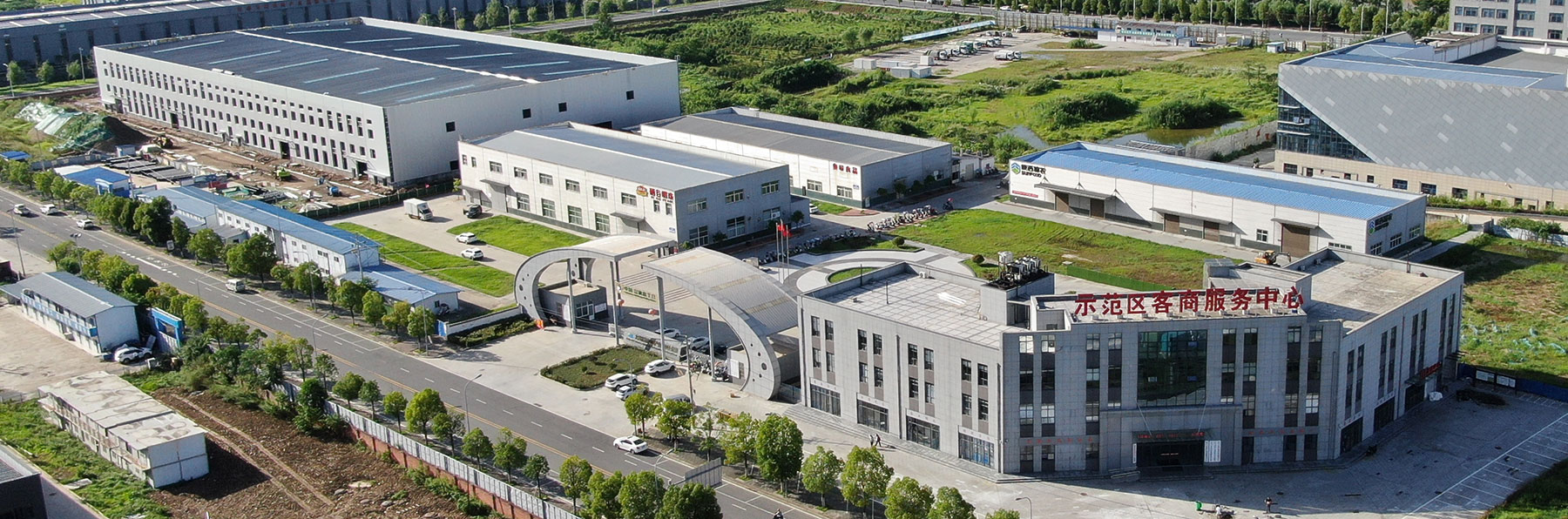
As a leading enterprise in the field of deep processing of konjac, the company has formed three core product systems: konjac snack foods, konjac catering ingredients and konjac convenience foods. Its products are sold well throughout the country and exported to overseas markets.
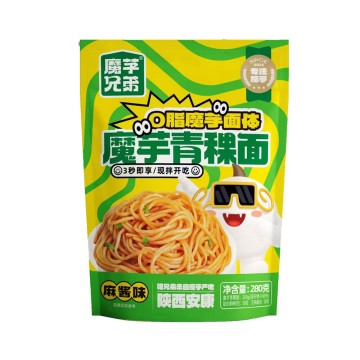
The company's brand "Konjac Brothers" adheres to the corporate mission of "developing the konjac industry and promoting scientific diet". Relying on its independently developed patented technology and advanced production system, it continuously develops innovative products that meet modern health needs.
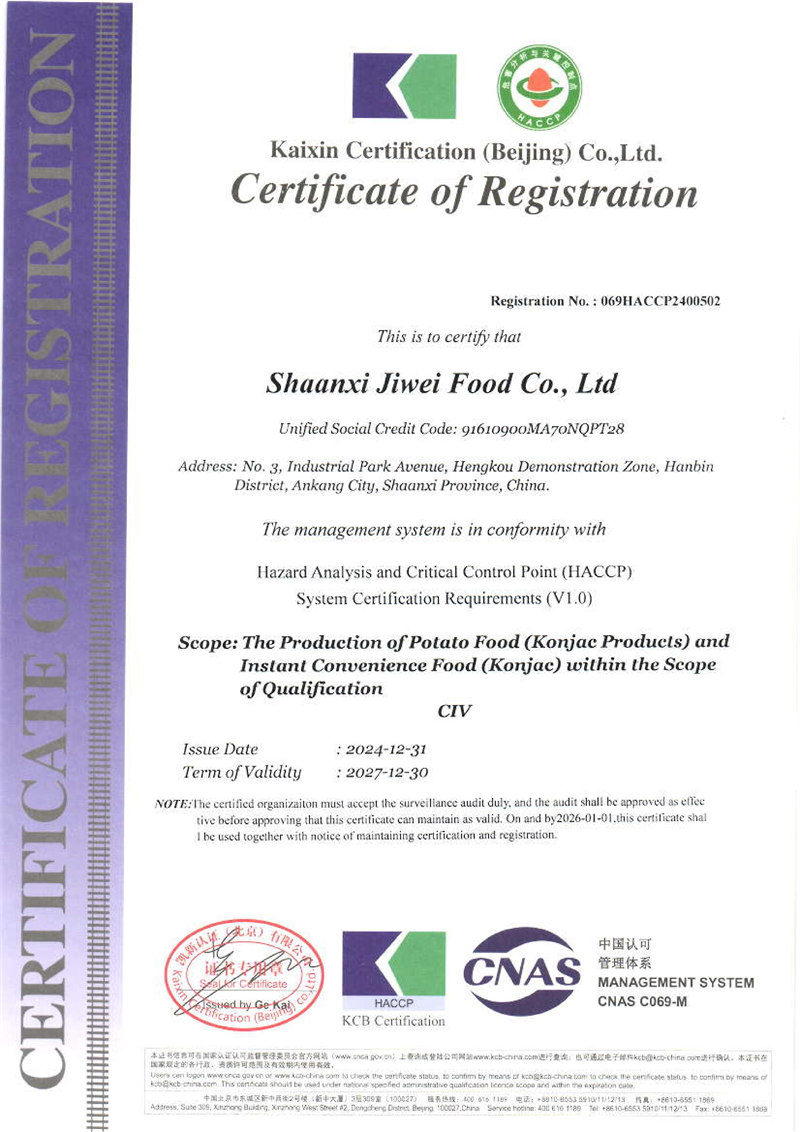
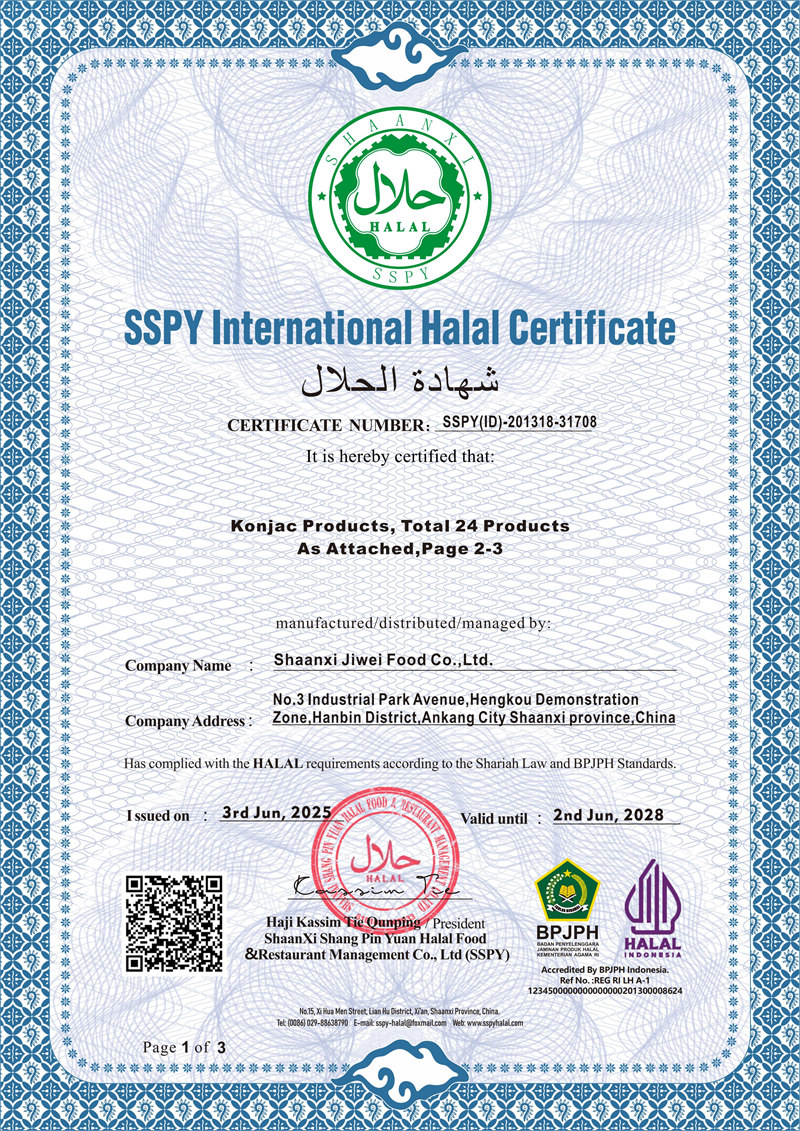
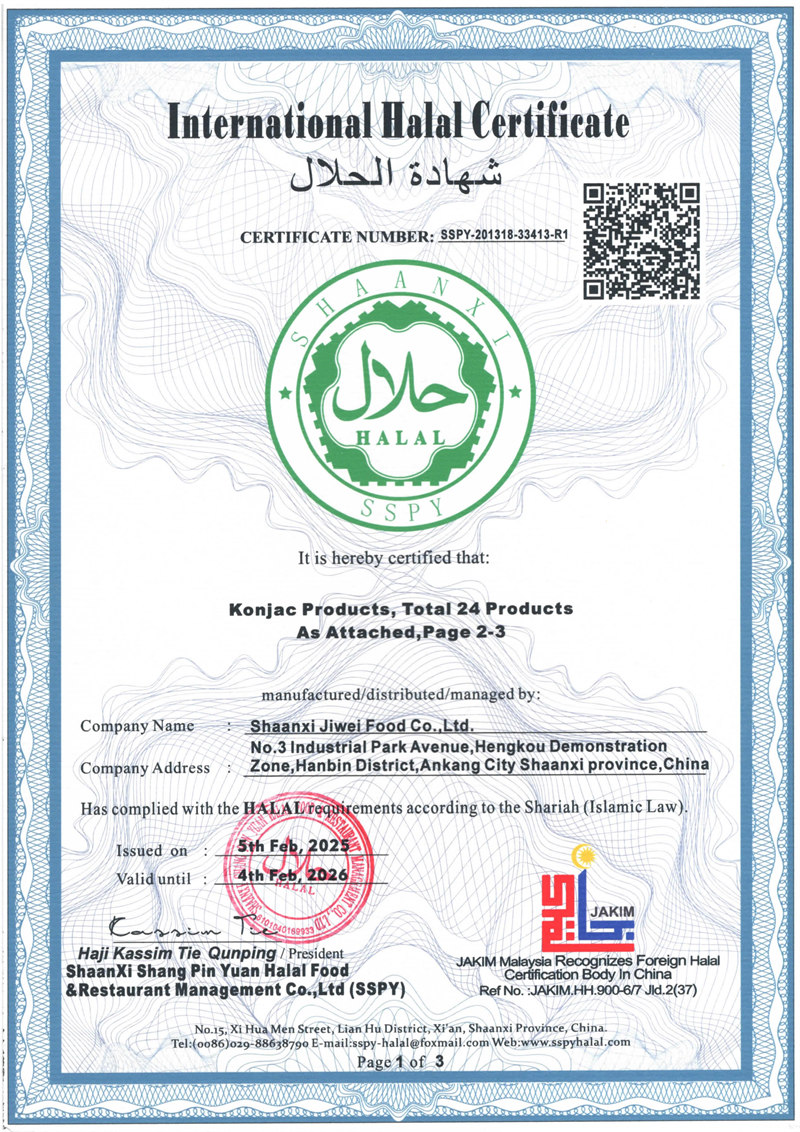
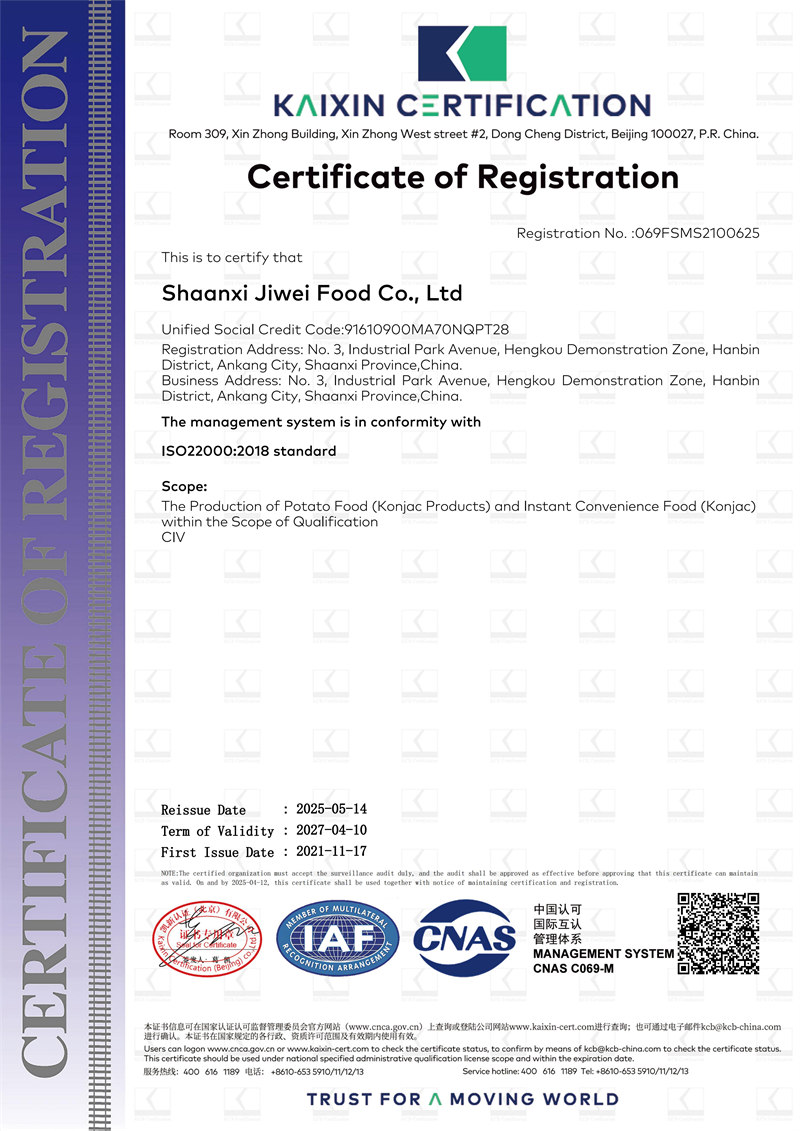
By establishing a three-in-one quality control system of "raw material traceability + process monitoring + finished product inspection", and strictly implementing international certification standards such as ISO22000, HALAL, and HACCP, we ensure quality assurance throughout the entire process from the source to the terminal.
——KONJAC BROTHERS
The product has been exported to countries such as South Korea, Malaysia, Thailand and Singapore.
It passed the Malaysia International Halal Certification and HACCP Certification;
A deep cooperation was formed with Bai caowei, Opening the path of international enterprise cooperation;
We collaborated with UniPresident Group to develop konjac snacks, with an annual output value of over 200 million yuan for leisure food;
It was awarded as a high-tech enterprise in Shaanxi Province;
The company obtained ISO 22000 certification;
In cooperation with Yuan qi company, the company truly Moved towards quality management;
The company's first box of Konjac Brothers products went offline. On June 9, Konjakc Brothers entered the CRV an guard system in Shaanxi, and successively arrived in Chongqing, Henan and Hebei;
 Konjac & Highland Barley Dairy Stabilizer
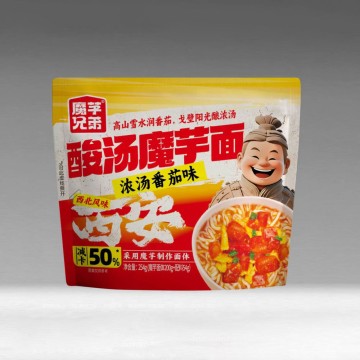 High-Viscosity Konjac Dairy Blend
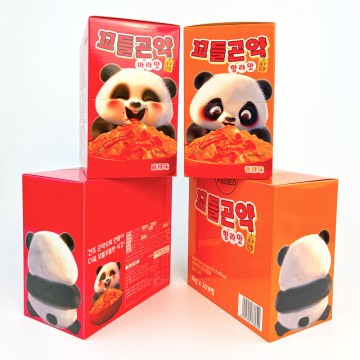 Konjac Gel Slices for Industrial Processing
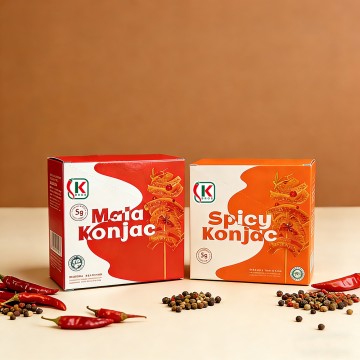 Soluble Konjac Fiber for Milkshakes
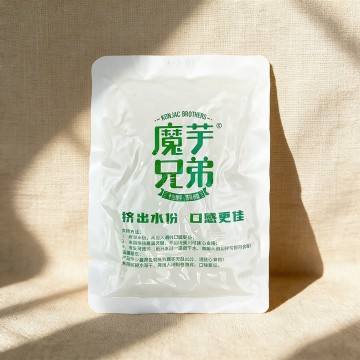 Semi-Finished Konjac Blanks for Dairy Thickeners
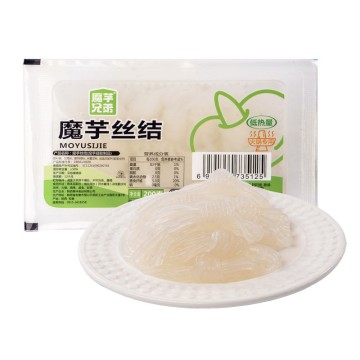 Konjac Structural Knots for Texture Testing
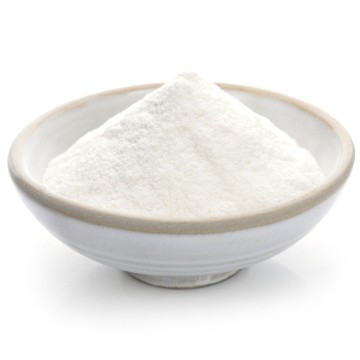 Premium Konjac Flour for Dairy Thickening
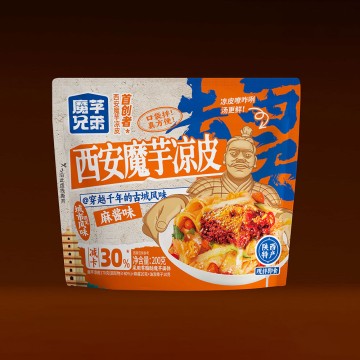 Konjac Suspensions for Plant-Based Milk