86+09153618258
Leave Your Message
-
Contact Phone
-
 Contact Email
Engineered for optimal dietary fiber supplementation
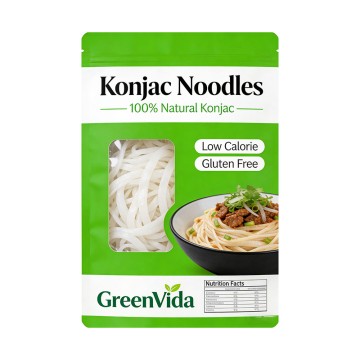
Konjac pasta has transcended its traditional culinary roots to become a powerhouse in the modern functional food and nutraceutical industries. At the core of this transformation is its unparalleled efficacy as a dietary fiber supplement. Derived from the corm of the Amorphophallus konjac plant, this innovative food matrix is primarily composed of glucomannan, a highly viscous, water-soluble dietary fiber that offers profound physiological benefits.
The molecular structure of konjac glucomannan consists of D-mannose and D-glucose units linked by β-1,4 glycosidic bonds. This unique configuration makes it highly resistant to human digestive enzymes, allowing it to pass through the upper gastrointestinal tract intact. When formulated into Konjac Pasta For Dietary Fiber Supplements, it exhibits an extraordinary water-holding capacity—able to absorb up to 50 times its weight in water. This creates a bulky, highly viscous gel in the stomach that promotes profound satiety, delays gastric emptying, and modulates the absorption of macronutrients, thereby smoothing postprandial blood glucose spikes and reducing cholesterol absorption.
Furthermore, as a prebiotic fiber, konjac pasta serves as an optimal substrate for gut microbiota. Fermentation of glucomannan in the colon yields short-chain fatty acids (SCFAs) such as butyrate, propionate, and acetate. These SCFAs are crucial for maintaining colonic epithelial integrity, reducing systemic inflammation, and regulating metabolic pathways. The integration of this fiber into a familiar pasta format ensures high consumer compliance, bridging the gap between clinical nutrition and everyday dietary habits.
The global market for dietary fiber is experiencing exponential growth, and konjac-derived products are at the forefront of this surge. The industrial processing of konjac has evolved significantly from traditional milling to advanced extraction and purification technologies. Today, the production of Konjac Pasta For Dietary Fiber Supplements involves sophisticated alcohol-washing techniques and multi-stage microfiltration to remove alkaloids, odors, and impurities, resulting in a highly purified, clean-tasting glucomannan flour.
On a commercial scale, the supply chain is heavily concentrated in mountainous regions of Asia, where the specific climatic conditions are ideal for konjac cultivation. However, the industrial bottleneck has traditionally been the stability of the raw material yield and the high energy consumption during the drying process. Modern factories are now implementing AI-driven climate control systems in storage and automated extrusion technologies in the pasta manufacturing phase. This ensures consistency in the molecular weight of the glucomannan and the textural integrity of the final pasta product, which is critical for maintaining its functional properties as a dietary supplement.
Market Valuation: Industry analysts project the global konjac market to grow at a robust CAGR over the next decade. This growth is not merely driven by the gluten-free or low-calorie sectors, but specifically by the clinical and preventative healthcare markets demanding high-efficacy dietary fiber supplements integrated into staple food formats.
Looking ahead, the development of Konjac Pasta For Dietary Fiber Supplements is pivoting towards hybrid formulations. While pure konjac pasta is excellent for zero-calorie and high-fiber applications, the next generation of products integrates complementary functional ingredients. We are witnessing the industrial scaling of konjac co-extruded with oat beta-glucans, highland barley, and plant-based proteins (such as pea or soy). This not only improves the organoleptic properties—making the texture mimic traditional wheat pasta more closely—but also creates a synergistic nutritional profile that offers complete amino acids alongside high-density prebiotics.
Another major trend is the "Clean Label" movement. Consumers demanding dietary fiber supplements are hyper-aware of artificial additives. Consequently, manufacturers are phasing out traditional alkaline coagulants (like calcium hydroxide) in favor of natural, plant-derived setting agents or utilizing high-pressure processing (HPP) techniques to maintain the structural integrity of the konjac gel without chemical intervention. Furthermore, sustainable agriculture and zero-waste processing are becoming industry standards. The by-products of konjac extraction are now being repurposed into biodegradable packaging and agricultural bio-stimulants, creating a circular economy within the konjac industry.
The application of Konjac Pasta For Dietary Fiber Supplements extends far beyond simple weight loss. In the realm of Medical Nutrition Therapy (MNT), endocrinologists and dietitians are actively prescribing konjac-based meals for the management of Type 2 Diabetes Mellitus. By replacing high-glycemic carbohydrates with konjac pasta, patients can significantly blunt the postprandial glycemic response, reducing the need for exogenous insulin spikes.
In Bariatric Surgery Recovery, where patients require highly satiating, low-volume, and low-calorie foods that pass smoothly through the modified digestive tract, konjac pasta serves as an ideal transitional food. Its soft, gel-like texture prevents gastrointestinal blockages while ensuring the patient receives adequate dietary fiber, which is often deficient in post-bariatric diets.
Furthermore, in the Sports Nutrition and Keto/Low-Carb Communities, konjac pasta is utilized as a bulking agent during "cutting" phases. Athletes can consume large volumes of food to trigger gastric stretch receptors (inducing satiety) without consuming excess calories or carbohydrates that would disrupt ketosis. For everyday wellness, particularly in Geriatric Nutrition, the easy-to-chew nature of konjac noodles, combined with its ability to promote bowel regularity and prevent constipation, makes it an invaluable dietary intervention for the aging population.
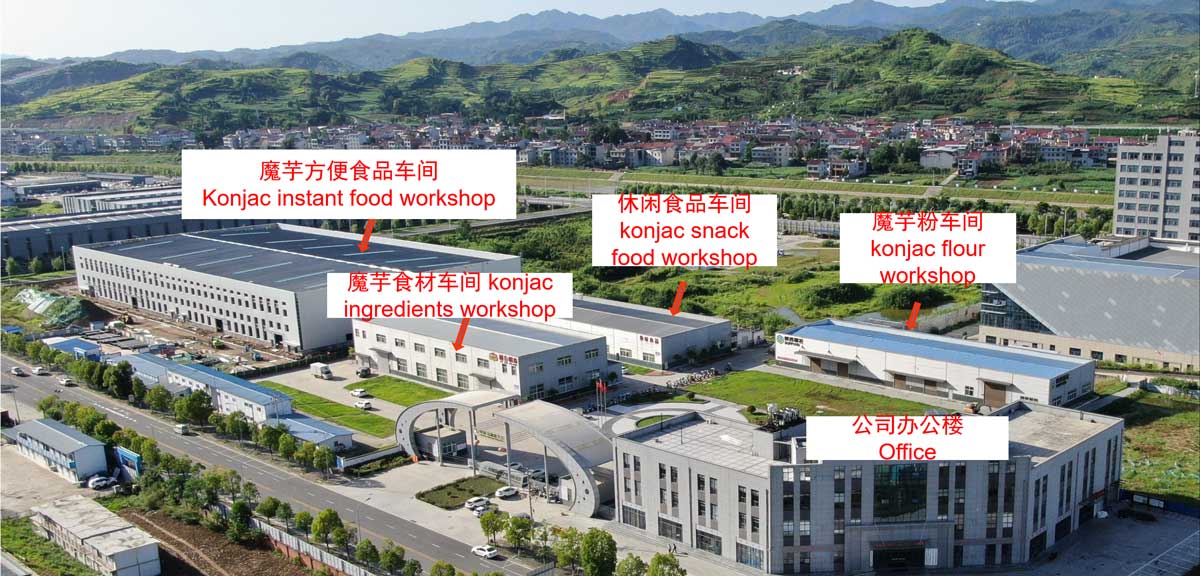



Industrial-grade and consumer-ready dietary fiber supplements