86+09153618258
Leave Your Message
-
Contact Phone
-
 Contact Email
Scalable retail formats and custom ready-to-eat cup applications developed for global private label brands and functional food distributors.
The global market for gluten-free pasta has undergone a profound transformation. What once originated as a niche medical dietary requirement for celiac patients has burgeoned into a multi-billion-dollar global industry driven by broader consumer interest in digestive wellness, ketogenic protocols, diabetic-friendly glycemic control, and low-calorie weight management. However, for decades, conventional gluten-free pasta manufacturing has faced severe structural and nutritional compromises. Traditional starch-dense substitutes—principally refined rice flour, corn starch, potato starch, and tapioca—consistently struggle to replicate the intricate gluten matrix that endows durum wheat pasta with its celebrated tensile strength, elasticity, and iconic al dente bite.
In high-throughput industrial pasta plants, standard gluten-free starch extrudates frequently exhibit excessive cooking loss, high water turbidity during boiling, accelerated retrogradation, and a soft, crumbly mouthfeel. Furthermore, from a metabolic standpoint, grain-based gluten-free pastas remain loaded with high-glycemic carbohydrates while offering negligible dietary fiber. Enter Konjac Glucomannan (KGM): a naturally derived, high-molecular-weight polysaccharide extracted from the tuber of Amorphophallus konjac. When integrated into modern industrial processing, Konjac fundamentally redefines gluten-free pasta engineering, providing a continuous, thermoirreversible, fiber-rich hydrocolloid network capable of superseding gluten mechanics without the caloric and glycemic baggage of conventional grains.
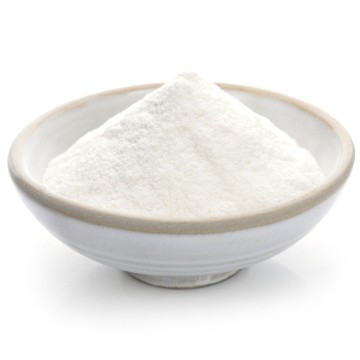
At a molecular level, Konjac Glucomannan is a straight-chain polysaccharide composed of β-(1→4)-linked D-mannose and D-glucose units in a molar ratio of roughly 1.6:1, decorated with acetyl groups along the backbone roughly every 9 to 19 sugar units. These acetyl groups prevent self-aggregation and confer extraordinary cold-water hydration, enabling konjac flour to develop viscosities exceeding 35,000 mPa·s at mere 1% concentrations. When processed under controlled alkaline conditions (utilizing food-grade calcium hydroxide or sodium carbonate) coupled with precise thermal conditioning, the acetyl groups undergo deacetylation. This reaction triggers intermolecular hydrogen bonding and junction-zone entrapment, yielding a rigid, elastic, three-dimensional gel network that is completely heat-irreversible.
Konjac hydrogels form robust physical crosslinks that encapsulate moisture and secondary flours, matching the tensile elongation, sheer resistance, and chewiness typically delivered by wheat gluten proteins.
By immobilizing free water and creating steric hindrance around amylose/amylopectin polymers, konjac prevents starch syneresis and recrystallization, extending shelf stability and preventing paste turbidity during rehydration.
The β-1,4 glycosidic linkages are immune to human salivary and pancreatic amylases. Konjac passes through the upper gastrointestinal tract undigested, functioning as a non-caloric prebiotic fiber that blunts postprandial blood sugar spikes.
When konjac is blended with pea, faba bean, or chickpea isolates, its hydrocolloid matrix masks bean off-notes while creating an elastic scaffold that binds globular plant proteins into a continuous strand, preventing the grittiness common in high-protein vegan pastas.
Incorporating konjac into ancient grain flours (highland barley, buckwheat, quinoa) compensates for the total lack of gluten, enabling industrial pasta extruders to run at standard operating pressures without noodle breakage or die head jamming.
Because deacetylated konjac gel is thermally irreversible, konjac-based noodles withstand ultra-high temperature (UHT) retort sterilization, high-pressure steam processing, and prolonged boiling without structural disintegration or slime formation.
For frozen prepared meal manufacturers, konjac prevents phase separation and weeping (syneresis) upon thawing, guaranteeing that microwave-reheated pasta dishes maintain their freshly extruded bounce and bite.
Commercial manufacturing of konjac pasta falls into two primary engineering streams: Wet Hydrogel Extrusion (Shirataki Matrix) and Hybrid Dry Composite Extrusion. Each methodology addresses specific commercial segments, shelf-life demands, and supply chain logistics.
In high-capacity automated wet lines, premium refined konjac flour (viscosity ≥ 36,000 mPa·s, glucomannan content ≥ 90%) is homogenized with purified deionized water at a controlled ratio of 1:28 to 1:35 in high-shear planetary mixers. Once fully hydrated, a micro-metered dosing system introduces a saturated alkaline coagulant solution (Ca(OH)&sub2;). The mass is transferred to a continuous thermo-extruder where it is shaped through stainless steel dies into spaghetti, fettuccine, angel hair, or penne profiles, dropping immediately into a multi-stage heated water setting bath (85°C – 95°C). Subsequent stages pass the pasta through acid neutralization and deodorization wash baths, eliminating residual alkaline taste before automatic sealing into water-packed retort pouches or ready-to-eat ambient cups.
For brands seeking dried, long-shelf-life pasta that cooks identically to traditional semolina pasta, high-purity konjac powder is dry-blended at 2% to 12% concentrations with non-gluten flours (cassava, highland barley, lupin, or rice flour). Utilizing co-rotating twin-screw extruders with segmented barrel temperature zones (ranging from 45°C in feeding zones to 105°C in cooking zones), konjac works as a structural binder during low-moisture thermomechanical gelatinization. Multi-stage humidity-controlled drying tunnels (gradual moisture step-down from 32% to ≤ 11%) then stabilize the extruded shapes, preventing thermal stress fracturing and yielding a shelf-stable dry pasta capable of 24-month ambient distribution.
Early-generation konjac noodles suffered from a characteristic marine/alkaline aroma caused by trace amines. Our advanced industrial purification utilizes ethanol multi-stage micro-extraction and enzymatic washing, reducing volatile trimethylamine levels below olfactory detection thresholds (< 0.05 ppm). Additionally, computer-controlled shear monitoring during the alkaline dosing stage allows exact tuning of the pasta's Young’s modulus, delivering an authentic Italian al dente resistance calibrated to international culinary expectations.
From innovative formulation engineering and international customs handling to dedicated collaborative R&D and brand growth support.


The versatility of konjac hydrogels and composite flours enables food brands, industrial co-packers, and food service operators to target high-growth consumer demographics across multiple commercial application scenarios:
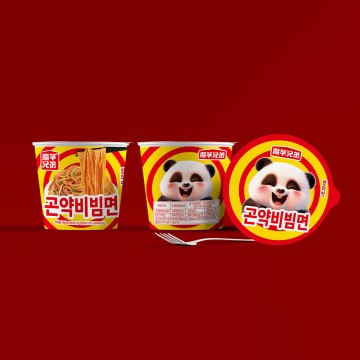
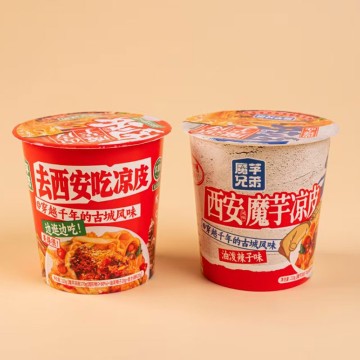
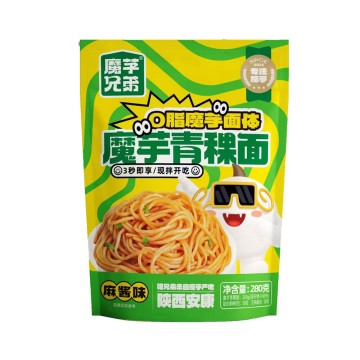
Convenient single-serve cups and dual-chamber pouches pre-packed with shelf-stable konjac noodles, rich culinary sauces, and freeze-dried toppings. Requiring zero pre-boiling and merely 60 seconds of microwaving, these products offer the ultimate convenience for urban professionals adhering to strict keto, low-GI, or gluten-free diets.
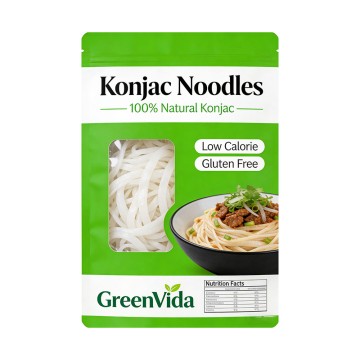
Traditional Italian formats (spaghetti, fettuccine, lasagna sheets, and penne) extruded using purified konjac and vegetable fiber blends (such as oat fiber or soy fiber). These SKUs deliver authentic pasta mouthfeel with less than 1g of net carbohydrates and under 15 kcal per 100g serving, dominating ketogenic and low-carb supermarket aisles.
High-protein noodles fortified with non-GMO plant proteins (soy, pea, rice) and mineral-rich ancient grains like highland barley. Konjac acts as the indispensable elastomeric matrix that prevents the brittle collapse typical of grain-free protein pastas, providing 15-20g of clean plant protein per serving with exceptional tensile integrity.
Bulk-packaged semi-finished noodle blanks engineered specifically for commercial central kitchens, ready-meal manufacturers, and frozen entree producers. These blanks maintain total structural stability under freezing, chilling, boil-in-bag reheating, and prolonged steam table holding without becoming soggy or breaking.
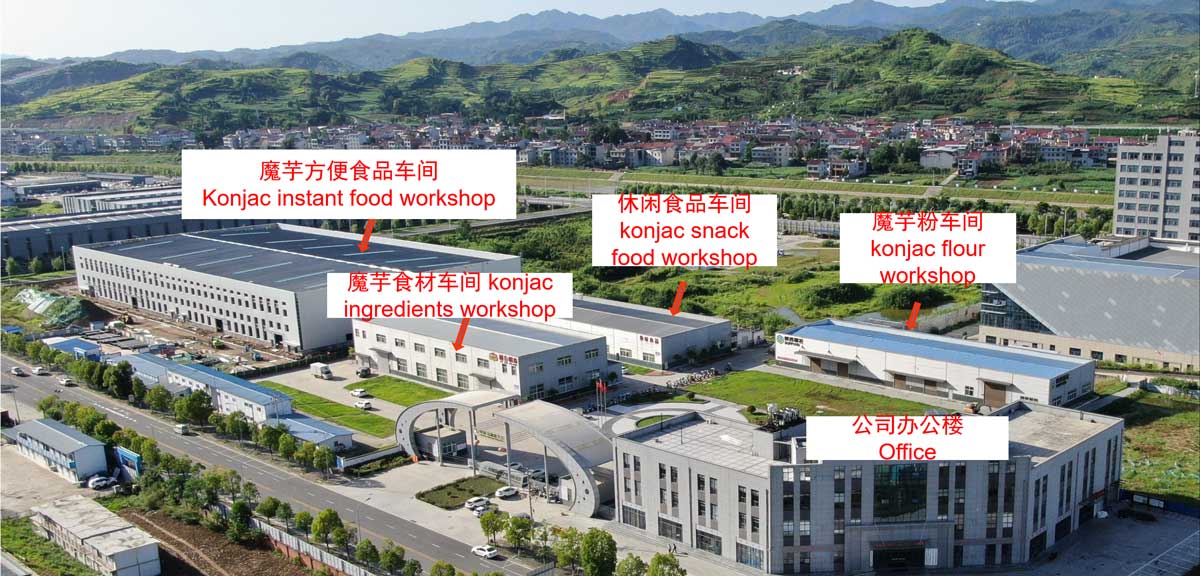
Our manufacturing ecosystems operate under stringent international certifications, including BRCGS (Grade A), IFS Food, ISO 22000, HACCP, Halal, and Kosher. Every batch of konjac raw material undergoes rigorous testing for glucomannan purity, heavy metals (Lead, Arsenic, Cadmium < 0.1 mg/kg), microbiological limits, and multi-pesticide residue screens. Products meet non-GMO Project compliance and FDA/EFSA novel clean-label standards, empowering your brand to deploy transparent, verified marketing claims worldwide.
Explore our full line of retail-ready packs, functional blends, raw konjac flour, and semi-finished blanks ready for global wholesale and OEM distribution.