86+09153618258
Leave Your Message
-
Contact Phone
-
 Contact Email
Premium Konjac-Based Meal Replacement Solutions
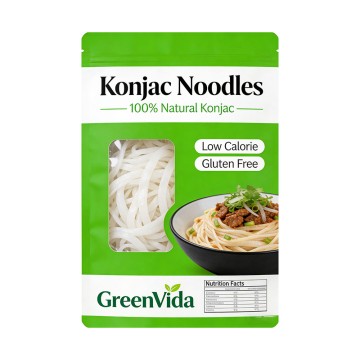
The global weight loss and meal replacement market has experienced unprecedented growth over the past decade, with consumers increasingly seeking healthier, convenient alternatives to traditional high-calorie foods. Konjac pasta has emerged as a revolutionary solution in this landscape, offering a unique combination of extremely low calories, high fiber content, and satisfying texture that makes it an ideal meal replacement option.
Derived from the konjac plant (Amorphophallus konjac), native to Asia, konjac pasta contains glucomannan, a water-soluble dietary fiber that expands in the stomach, creating a feeling of fullness while contributing virtually zero net carbohydrates. This remarkable property has positioned konjac pasta as a cornerstone product in the weight management industry, with market analysts projecting continued double-digit growth through 2030.
The global konjac-based food market was valued at approximately $2.3 billion in 2023 and is expected to reach $4.8 billion by 2030, with konjac pasta representing a significant segment. North America and Europe have shown particularly strong adoption rates, with year-over-year growth exceeding 25% in the meal replacement category. Consumer demand is driven by rising obesity rates, increased health consciousness, and the popularity of low-carb and ketogenic diets.
With only 5-10 calories per serving, konjac pasta allows for substantial portion sizes without caloric guilt, making it perfect for calorie-restricted diets.
Glucomannan fiber absorbs up to 50 times its weight in water, promoting prolonged feelings of fullness and reducing overall food intake.
Zero glycemic impact helps maintain stable blood sugar levels, preventing energy crashes and reducing cravings throughout the day.
Acts as a prebiotic fiber, supporting beneficial gut bacteria and promoting regular digestive function essential for weight management.
Ready in minutes with minimal preparation, making it ideal for busy individuals committed to maintaining their weight loss regimen.
Adapts to various cuisines and flavor profiles, preventing diet fatigue and supporting long-term adherence to weight loss goals.
The commercial konjac pasta sector has evolved into a sophisticated supply chain ecosystem involving raw material suppliers, manufacturers, distributors, and end-use businesses. Major food service operations, including health-focused restaurant chains, corporate wellness programs, and meal kit delivery services, have integrated konjac pasta into their offerings. The ingredient's shelf stability, ease of preparation, and consistent quality make it particularly attractive for large-scale food service operations.
Contract manufacturing and private label production have become significant business models, with established konjac processors offering turnkey solutions for brands entering the weight loss meal replacement market. This has lowered barriers to entry and accelerated market diversification, with hundreds of new konjac-based products launching annually across different regional markets.
Konjac pasta has achieved mainstream distribution across multiple retail channels. Specialty health food stores were early adopters, but the product has now expanded into conventional supermarkets, mass merchandisers, and online marketplaces. E-commerce platforms have been particularly instrumental in market growth, with direct-to-consumer brands leveraging digital marketing to educate consumers and build subscription-based business models.
Healthcare providers and bariatric specialists increasingly incorporate konjac pasta into medically supervised weight loss protocols. Its extremely low calorie density allows patients to consume satisfying meal volumes while adhering to strict caloric restrictions necessary for pre-surgical preparation or post-bariatric surgery nutrition plans. Clinical studies have demonstrated that patients using konjac-based meal replacements show improved adherence rates and better weight loss outcomes compared to traditional liquid meal replacements.
Progressive employers have integrated konjac pasta into workplace wellness programs as part of comprehensive health improvement strategies. Corporate cafeterias now offer konjac-based meal options, while wellness program incentives may include konjac meal replacement kits. This application addresses both employee health objectives and employer goals of reducing healthcare costs and improving productivity through better nutrition.
Athletes and fitness enthusiasts use konjac pasta strategically during cutting phases when reducing body fat while preserving muscle mass. The product's negligible caloric content allows for flexible macro management, while its volume helps combat hunger during caloric deficits. Protein-enriched konjac pasta variants have been developed specifically for this market segment, combining the benefits of konjac with added protein to support muscle maintenance.
Konjac pasta has found significant application in diabetic nutrition management due to its zero glycemic impact and ability to improve postprandial blood glucose control. Diabetes management programs and specialized meal delivery services for diabetic patients increasingly feature konjac pasta as a staple carbohydrate substitute, helping patients maintain dietary variety while managing their condition effectively.
The konjac pasta industry continues to evolve with significant R&D investment focused on texture improvement, flavor development, and nutritional enhancement. Recent innovations include protein-fortified variants incorporating pea, soy, or whey protein to address the macronutrient needs of active individuals. Manufacturers are also developing konjac pasta with improved texture that more closely mimics traditional wheat pasta, addressing one of the primary consumer objections to earlier-generation products.
Functional ingredient additions represent another innovation frontier, with products incorporating vitamins, minerals, probiotics, and bioactive compounds such as green tea extract or turmeric. These enhanced formulations position konjac pasta not merely as a calorie-reduction tool but as a functional food delivering multiple health benefits beyond weight management.
Environmental sustainability has become a competitive differentiator in the konjac industry. Leading manufacturers are implementing sustainable farming practices, optimizing water usage, and developing eco-friendly packaging solutions. The konjac plant itself offers environmental advantages, requiring minimal pesticides and fertilizers while improving soil quality through its cultivation cycle.
Supply chain transparency and traceability have become industry priorities, with blockchain technology being piloted to verify sourcing authenticity and ensure quality standards. This is particularly important as demand growth has strained traditional konjac cultivation regions, necessitating expansion into new growing areas and requiring robust quality assurance systems.
Regulatory frameworks governing konjac products continue to evolve globally. In the United States, the FDA recognizes konjac glucomannan as Generally Recognized as Safe (GRAS), while European authorities have approved specific health claims related to weight management and cholesterol reduction. These regulatory endorsements have facilitated market expansion and enhanced consumer confidence.
However, safety regulations regarding choking hazards, particularly in certain Asian markets, have necessitated product modifications and clear labeling requirements. Industry associations have developed best practices for manufacturing, packaging, and consumer education to address these concerns while maintaining market access.
Businesses considering entry into the konjac pasta meal replacement market should evaluate several critical success factors. Product differentiation through unique formulations, superior texture, or targeted nutritional profiles is essential in an increasingly crowded marketplace. Brand positioning must clearly communicate value propositions that resonate with specific consumer segments, whether focused on weight loss, diabetes management, or general wellness.
Distribution strategy requires careful consideration of channel economics and consumer purchasing patterns. While online channels offer higher margins and direct consumer relationships, retail distribution provides volume and mainstream market access. Successful brands typically employ omnichannel strategies that leverage the strengths of both approaches.
Consumer education remains paramount, as many potential customers are unfamiliar with konjac products or harbor misconceptions about taste and texture. Content marketing, influencer partnerships, and sampling programs have proven effective in overcoming initial resistance and building trial among target audiences.
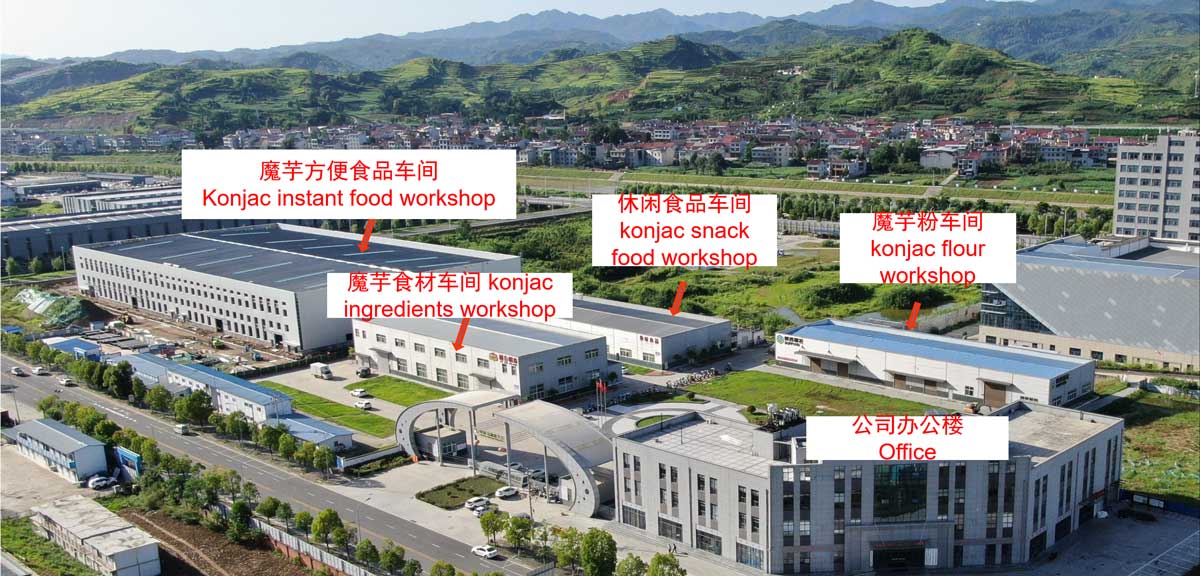



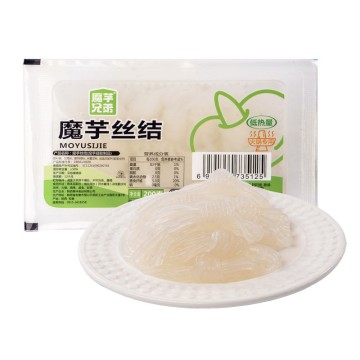
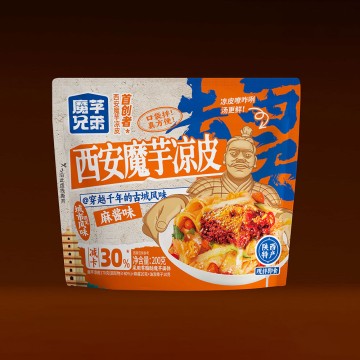
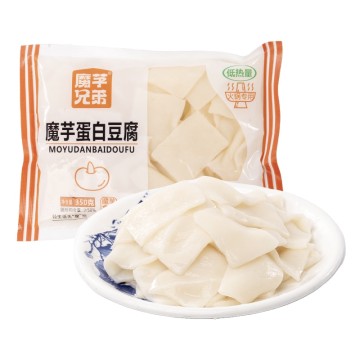
Comprehensive Range of Konjac-Based Weight Loss Solutions