86+09153618258
Leave Your Message
-
Contact Phone
-
 Contact Email
Konjac protein noodles represent a groundbreaking advancement in diabetic-friendly nutrition, combining the traditional benefits of konjac root with enhanced protein content to create an optimal food solution for individuals managing diabetes. Derived from the Amorphophallus konjac plant, these noodles offer an exceptional nutritional profile that addresses the core dietary challenges faced by diabetic patients worldwide.
The global diabetes epidemic has reached unprecedented levels, with over 537 million adults currently living with diabetes according to the International Diabetes Federation. This staggering number is projected to rise to 783 million by 2045, creating an urgent demand for effective dietary interventions. Konjac protein noodles have emerged as a critical component in diabetes management strategies, offering a sustainable, affordable, and highly effective alternative to traditional high-carbohydrate pasta and noodle products.
Konjac protein noodles deliver an exceptional combination of ultra-low carbohydrates (typically less than 3g per 100g serving), high soluble fiber content (primarily glucomannan at 40-60% dry weight), and enhanced protein levels (ranging from 5-12g per serving depending on formulation). This unique nutritional matrix creates minimal blood glucose impact while promoting sustained satiety and metabolic health.
The konjac-based food products market has experienced explosive growth over the past decade, with the global market valuation reaching approximately $2.8 billion in 2023 and projected to exceed $4.5 billion by 2030. This growth trajectory reflects increasing consumer awareness of diabetes prevention and management, coupled with rising demand for plant-based, low-calorie food alternatives across developed and emerging markets.
North America and Europe currently represent the largest markets for konjac protein noodles, driven by high diabetes prevalence rates and strong consumer adoption of specialized dietary products. The United States alone accounts for over 35% of global konjac noodle consumption, with major retail chains including Whole Foods, Walmart, and Target dedicating significant shelf space to konjac-based products. European markets, particularly Germany, the United Kingdom, and France, have shown remarkable growth rates exceeding 18% annually as consumers increasingly prioritize functional foods in diabetes management.
The Asia-Pacific region presents enormous growth potential, with countries like Japan, South Korea, and China demonstrating rapidly increasing adoption rates. Japan, with its long cultural tradition of konjac consumption, has pioneered numerous innovations in konjac protein noodle formulations, including fusion products that combine konjac with traditional Japanese ingredients like seaweed and shiitake mushroom extracts to enhance nutritional value and flavor profiles.
The konjac protein noodle industry has undergone significant technological transformation, with manufacturers investing heavily in advanced processing techniques to improve texture, flavor, and nutritional composition. Modern production facilities employ sophisticated extrusion technologies, precision pH control systems, and innovative protein fortification methods to create products that closely mimic traditional wheat-based noodles while maintaining the glycemic benefits of konjac.
Leading manufacturers have developed proprietary protein integration technologies that successfully incorporate plant-based proteins from sources such as pea, soy, hemp, and rice into konjac matrices without compromising the characteristic texture and water-holding capacity of glucomannan. These technological advances have addressed historical consumer concerns about the distinctive texture and neutral flavor of traditional konjac noodles, significantly expanding market appeal beyond the core diabetic consumer segment.
Quality control and standardization have become paramount in the industry, with major producers implementing comprehensive testing protocols that monitor glucomannan content, protein bioavailability, heavy metal contamination, and microbiological safety. International certifications including USDA Organic, Non-GMO Project Verified, and various kosher and halal certifications have become standard requirements for market access in premium retail channels.
Konjac protein noodles have found diverse applications across multiple diabetes management contexts, each leveraging the unique properties of these products to address specific patient needs and dietary challenges.
Clinical Diabetes Management Programs: Healthcare institutions worldwide have integrated konjac protein noodles into structured diabetes education and meal planning programs. Major diabetes centers in the United States, including the Joslin Diabetes Center and the Cleveland Clinic, incorporate konjac noodles into patient meal demonstrations and educational materials. Clinical studies conducted at these institutions have documented significant improvements in postprandial glucose control, with patients consuming konjac protein noodles showing 40-50% lower blood glucose spikes compared to equivalent portions of traditional pasta.
Weight Management and Obesity Prevention: Given the strong correlation between obesity and Type 2 diabetes, konjac protein noodles serve a dual purpose in both diabetes management and weight control. The exceptional satiety provided by glucomannan fiber, combined with high protein content and minimal caloric density (typically 20-40 calories per serving), makes these noodles ideal for calorie-restricted diets. Bariatric medicine specialists increasingly recommend konjac protein noodles for post-surgical patients and individuals following medically supervised weight loss programs.
Institutional Food Service Applications: Hospitals, senior care facilities, and specialized diabetes care centers have begun incorporating konjac protein noodles into their standard meal service offerings. These institutional applications require products with extended shelf stability, consistent quality, and versatile preparation methods. Manufacturers have responded by developing specialized institutional formats including bulk packaging, pre-portioned servings, and ready-to-heat meal solutions that meet the operational requirements of large-scale food service operations.
Home Meal Replacement and Convenience Solutions: The growing demand for convenient, diabetes-friendly meal solutions has driven innovation in ready-to-eat konjac protein noodle products. Manufacturers now offer complete meal kits featuring konjac protein noodles with portion-controlled sauce packets, freeze-dried vegetables, and protein components. These solutions address the challenges faced by busy diabetic individuals who struggle to maintain consistent meal planning and preparation routines.
The konjac protein noodle industry is experiencing rapid innovation across multiple dimensions. Personalized nutrition approaches are emerging, with companies developing specialized formulations targeting specific diabetic subpopulations including gestational diabetes, pediatric Type 1 diabetes, and elderly diabetic patients with additional nutritional requirements. Functional ingredient integration represents another major trend, with manufacturers incorporating bioactive compounds such as chromium, alpha-lipoic acid, cinnamon extracts, and resistant starches to enhance blood sugar regulation beyond the baseline benefits of konjac and protein.
Sustainability has become a critical factor in the konjac protein noodle industry, with consumers and retailers increasingly prioritizing environmentally responsible sourcing and production practices. Konjac cultivation offers inherent sustainability advantages, requiring minimal agricultural inputs and thriving in marginal lands unsuitable for conventional crops. The plant's ability to grow in mountainous regions of Asia provides economic opportunities for rural farming communities while preserving biodiversity.
Leading manufacturers have established direct relationships with konjac farming cooperatives in China, Indonesia, and Vietnam, implementing fair trade practices and agricultural training programs that improve both crop quality and farmer livelihoods. Traceability systems utilizing blockchain technology are being deployed to ensure supply chain transparency and verify organic certification claims throughout the production process.
The regulatory landscape for konjac protein noodles varies significantly across global markets, influencing product formulation, labeling, and marketing strategies. In the United States, the FDA recognizes glucomannan as Generally Recognized as Safe (GRAS), but imposes specific labeling requirements regarding choking hazards for certain konjac product formats. The European Union maintains strict regulations on novel foods and requires comprehensive safety documentation for konjac products, though established konjac noodle products benefit from traditional use exemptions.
Health claim regulations present both opportunities and challenges for konjac protein noodle manufacturers. While the scientific evidence supporting blood sugar management benefits is substantial, regulatory authorities maintain stringent requirements for substantiating disease-related health claims. Manufacturers navigate these requirements through careful claim language, emphasizing structural-functional claims about fiber and protein content rather than direct disease treatment assertions.
Consumer education remains a critical factor in market expansion for konjac protein noodles. Despite growing awareness, many potential consumers remain unfamiliar with konjac as an ingredient or harbor misconceptions about taste and texture based on early-generation products. Industry leaders have invested significantly in educational marketing campaigns, recipe development, and influencer partnerships to demonstrate the versatility and palatability of modern konjac protein noodle products.
Digital platforms have become essential channels for consumer engagement, with manufacturers developing comprehensive content libraries including cooking tutorials, nutritional information, and diabetes management tips. Social media communities focused on diabetic-friendly cooking have emerged as powerful advocacy platforms, with consumer-generated content and peer recommendations driving product adoption more effectively than traditional advertising approaches.
The integration of konjac protein noodles into mainstream culinary culture represents a significant market development opportunity. Celebrity chefs and food media personalities have begun featuring konjac noodles in recipes that emphasize flavor and culinary creativity rather than dietary restriction. This repositioning from "diabetic food" to "healthy lifestyle choice" expands market potential beyond diagnosed diabetic consumers to include health-conscious individuals, athletes, and those following ketogenic or low-carbohydrate dietary patterns.
The future trajectory of the konjac protein noodle industry appears exceptionally promising, supported by converging trends in diabetes prevalence, consumer health consciousness, and food technology innovation. Industry analysts project sustained double-digit growth rates through 2030, with particular expansion anticipated in emerging markets as diabetes rates rise and middle-class consumer purchasing power increases.
Technological innovations on the horizon include enhanced protein bioavailability through fermentation processes, incorporation of prebiotic and probiotic components to support gut health, and development of hybrid products that combine konjac with other functional ingredients like spirulina, moringa, and adaptogenic herbs. These innovations will further differentiate konjac protein noodles in an increasingly competitive functional food marketplace.
The convergence of personalized nutrition and digital health technologies presents exciting opportunities for konjac protein noodle integration into comprehensive diabetes management ecosystems. Future applications may include smart packaging with NFC tags linking to personalized meal planning apps, integration with continuous glucose monitoring systems to provide real-time dietary feedback, and subscription-based delivery services that automatically adjust product selections based on individual health data and preferences.
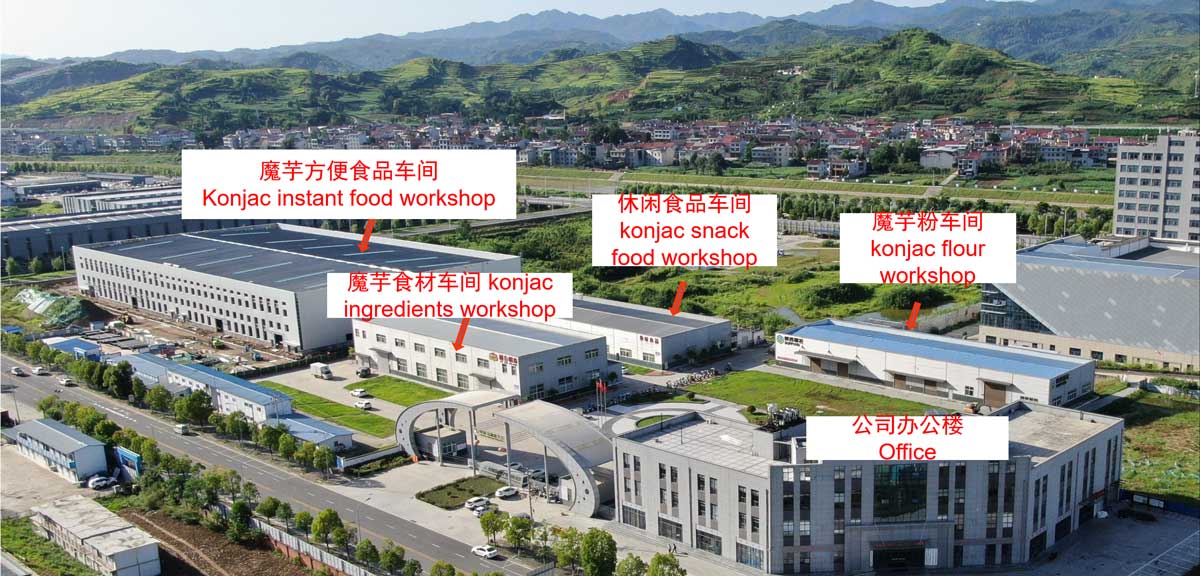
We offer full-process customized services from product design, R&D to manufacturing. We support customers to independently define product formulas, specifications, packaging and process flows according to their own needs, and we are responsible for production implementation to help customers create exclusive branded products.

We provide one-stop professional foreign trade export services, covering customs declaration, inspection, international logistics, document processing and other full-link services. We support two trade terms: FOB (Free On Board) and CIF (Cost, Insurance and Freight), and offer various international freight solutions such as door-to-port and port-to-port to ensure safe and on-time delivery of goods to global destinations.

We carry out joint R&D cooperation with enterprises in different industries, integrating the technical, resource and market advantages of both parties to jointly develop innovative products. Focusing on the fields of healthy food and functional ingredients, we create differentiated products that meet new market demands through cross-border technology integration and formula innovation.

We provide full-link support for brand marketing and communication, including market research, brand positioning, content planning, and online & offline promotion planning. Combining industry trends with customer brand characteristics, we develop precise promotion strategies to enhance product visibility and market share.