86+09153618258
Leave Your Message
-
Contact Phone
-
 Contact Email
Premium konjac-based ingredients and finished products engineered for dairy thickening, texture enhancement, and clean-label formulation.
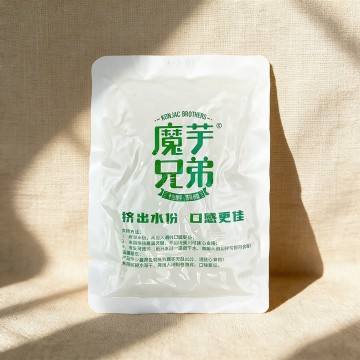
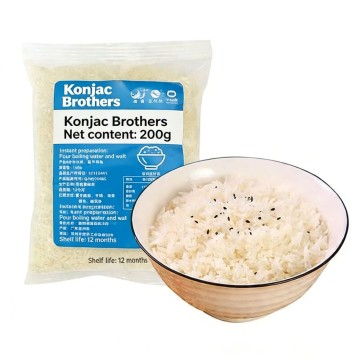
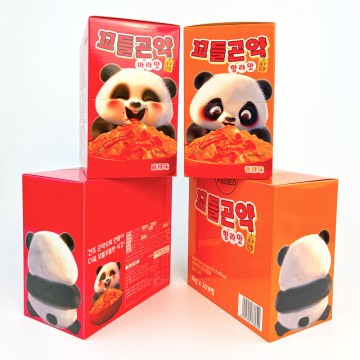
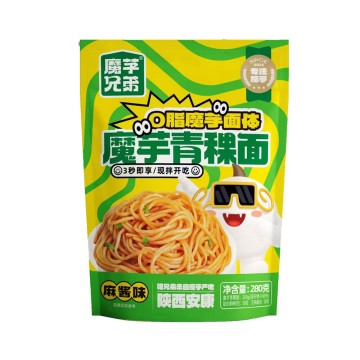
Konjac Protein Tofu is an innovative functional ingredient derived from the konjac plant (Amorphophallus konjac), enriched with plant-based protein to create a uniquely versatile thickening and texturizing agent. Unlike conventional dairy thickeners such as carrageenan, modified starch, or gelatin, konjac protein tofu leverages the exceptional water-binding capacity of konjac glucomannan (KGM) — a soluble dietary fiber with one of the highest viscosity profiles among natural hydrocolloids.
In the modern dairy industry, the demand for clean-label, plant-derived, and functionally superior ingredients has never been higher. Consumers are actively seeking products free from synthetic additives, while food manufacturers face mounting pressure to deliver indulgent textures without compromising nutritional profiles. Konjac Protein Tofu sits at the precise intersection of these two demands: it thickens, stabilizes, and enriches dairy formulations while remaining entirely plant-based and minimally processed.
🔬 Konjac glucomannan can absorb up to 100 times its weight in water, making it one of the most powerful natural thickening agents available for dairy applications — at concentrations as low as 0.1–0.5%.
From yogurts and cream cheeses to plant-based dairy alternatives and ice cream, konjac protein tofu is redefining what functional dairy ingredients can achieve. This article explores the science, commercial landscape, industrial applications, and future trajectory of this remarkable ingredient.
Konjac glucomannan is a high-molecular-weight polysaccharide composed of glucose and mannose units in a β-1,4 linkage. When dispersed in aqueous systems — such as milk, cream, or dairy-based beverages — it forms highly viscous solutions at very low concentrations. This behavior is fundamentally different from starches, which require heat gelatinization at much higher concentrations to achieve comparable viscosity.
The global konjac-based food ingredient market was valued at approximately USD 850 million in 2023 and is projected to surpass USD 1.8 billion by 2030, driven primarily by the clean-label movement and the explosive growth of plant-based dairy alternatives. Within this broader market, konjac protein tofu as a dairy thickener represents one of the fastest-growing niche segments, with compound annual growth rates (CAGR) estimated at 9.2–11.4% through 2030.
A direct comparison across the most critical performance parameters for industrial dairy formulation.
Derived entirely from konjac root and plant protein. No animal derivatives, no synthetic processing aids — fully compatible with vegan, vegetarian, and halal-certified dairy product lines.
Effective thickening at 0.1–0.5% inclusion rates — significantly lower than modified starches (2–5%) or gelatin (1–3%), reducing ingredient costs and enabling cleaner nutritional profiles.
Konjac-protein matrices resist syneresis and structural breakdown during frozen storage and repeated freeze-thaw cycles, making them ideal for premium ice creams and frozen dairy desserts.
Simultaneously delivers soluble dietary fiber (supporting gut microbiome health) and plant protein enrichment, enabling "functional dairy" positioning that commands 15–30% retail price premiums.
Works synergistically with carrageenan, xanthan, and locust bean gum to create customizable gel textures — from pourable yogurt viscosity to firm set-style dessert gels.
Stable across pasteurization (72–85°C), UHT processing (135–145°C), homogenization, and acidification (pH 3.5–6.5) — integrates seamlessly into existing dairy manufacturing infrastructure.
Exploring the specific functional roles, formulation parameters, and commercial outcomes of konjac protein tofu in each major dairy application.
In set-style and stirred yogurts, konjac protein tofu functions as a primary thickener and syneresis inhibitor. At 0.2–0.4% inclusion, it significantly reduces whey separation during storage — a persistent quality challenge in low-fat and plant-based yogurt formulations. The KGM-protein matrix creates a fine-textured gel that supports bacterial culture activity without inhibiting fermentation kinetics, maintaining optimal pH development profiles.
Commercial trials conducted by leading Asian dairy manufacturers have demonstrated that konjac protein tofu can replace up to 40% of the pectin and starch typically used in low-fat yogurt, while improving creaminess scores in consumer sensory panels by 18–24%. This positions it as a cost-effective, multifunctional upgrade to conventional stabilizer blends.
The protein-binding capacity of konjac protein tofu makes it exceptionally well-suited for cream cheese and spreadable cheese formulations. At 0.3–0.6% use levels, it contributes to the characteristic "short" texture of cream cheese while improving moisture retention during refrigerated shelf life. In reduced-fat cream cheese applications (targeting 30–50% fat reduction), konjac protein tofu is instrumental in compensating for the textural deficits caused by fat removal — a technically challenging formulation problem that has historically required complex multi-hydrocolloid systems.
This is arguably the highest-growth application segment for konjac protein tofu in dairy thickening. Oat milk, almond milk, cashew cream, and coconut-based products all lack the natural protein and fat structures that give conventional dairy its characteristic viscosity and mouthfeel. Konjac protein tofu bridges this gap by providing both structural viscosity (from KGM) and protein matrix formation, creating plant-based dairy alternatives with texture profiles that closely mimic their conventional counterparts.
Notably, in plant-based yogurt applications, konjac protein tofu has enabled the development of products with Greek yogurt-equivalent thickness using entirely non-dairy protein sources — a breakthrough that has attracted significant investment from major alternative protein companies.
Konjac protein tofu contributes to ice cream formulations through multiple mechanisms: it increases mix viscosity (improving air incorporation and overrun stability), reduces ice crystal growth during storage, and enhances melt resistance. At 0.1–0.3% inclusion in ice cream mixes, it can reduce total stabilizer costs by 20–35% while simultaneously improving the "slow melt" property increasingly demanded by premium ice cream brands and foodservice operators.
In UHT-processed dairy beverages — including flavored milks, protein shakes, and dairy-based meal replacements — konjac protein tofu provides suspension stability for protein particles and fortification ingredients that would otherwise sediment during storage. Its thermal stability through UHT processing (135–145°C for 4–15 seconds) is a critical differentiator versus heat-sensitive thickeners such as native starches or certain gums.
Beyond consumer packaged dairy products, konjac protein tofu is gaining traction in foodservice and industrial dairy-based sauce applications. In béchamel-style sauces, cream-based soups, and dairy dressings, it provides consistent viscosity across a wide temperature range (4–85°C) without the starchy mouthfeel associated with conventional flour or starch thickeners. This enables chefs and food manufacturers to create dairy sauces with cleaner flavor profiles and improved nutritional positioning.
Next-generation dairy manufacturers are combining konjac protein tofu with precision-fermented dairy proteins to create hybrid products that deliver authentic dairy taste and nutrition with dramatically reduced environmental footprints.
Machine learning platforms are being deployed to optimize konjac-hydrocolloid blend ratios for specific dairy applications, dramatically reducing R&D timelines from months to weeks and enabling hyper-customized ingredient solutions.
Advanced microencapsulation of konjac protein tofu particles is enabling controlled-release thickening in dairy beverages — providing thin pourability initially, then developing full viscosity after consumption to enhance satiety signaling.
Leading konjac suppliers, including Shaanxi Jiwei Food Co., Ltd., are establishing direct farm-to-ingredient supply chains, guaranteeing consistent glucomannan content specifications that meet stringent dairy industry quality requirements.
As the dairy industry faces carbon reduction mandates, konjac (a low-input, high-yield crop requiring minimal water and no synthetic fertilizers) is emerging as a sustainability-certified thickener preferred by ESG-conscious dairy brands.
Konjac protein tofu's inherently plant-based nature makes it fully compliant with halal and kosher certification requirements, opening significant market opportunities in Southeast Asia, the Middle East, and global Jewish consumer markets.
Shaanxi Jiwei Food Co., Ltd.
Shaanxi Jiwei Food Co., Ltd. was founded in 2018 and is a professional konjac food enterprise integrating konjac planting, research and development, production and sales.
The company has a registered capital of 50 million yuan, covers an area of over 50 mu, and possesses 30,000 square meters of standardized workshops and 3 automated konjac food production lines, thus building a complete industrial chain from konjac planting to deep processing.
As a vertically integrated konjac enterprise, Shaanxi Jiwei controls every stage of the value chain — from raw konjac cultivation in the Qinba Mountain region of Shaanxi Province to finished ingredient manufacturing — ensuring unmatched consistency in glucomannan content and functional performance for dairy industry customers worldwide.
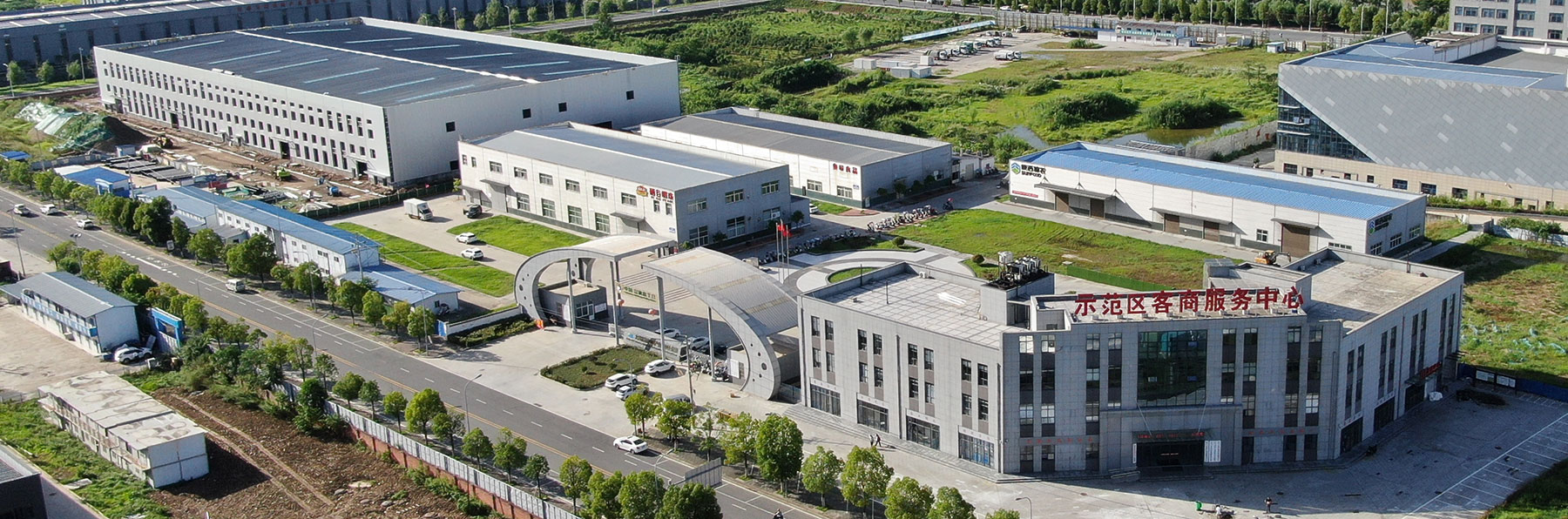
Its product line covers multiple niche scenarios both online and offline, meeting the diverse needs of consumers of different age groups.
As a leading enterprise in the field of deep processing of konjac, the company has formed three core product systems: konjac snack foods, konjac catering ingredients and konjac convenience foods. Its products are sold well throughout the country and exported to overseas markets.
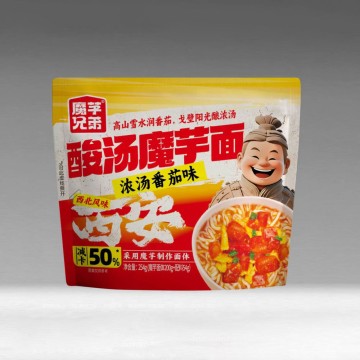
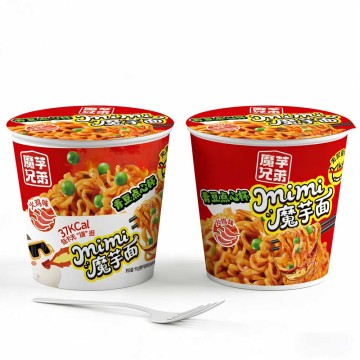
The company's brand "Konjac Brothers" adheres to the corporate mission of "developing the konjac industry and promoting scientific diet". Relying on its independently developed patented technology and advanced production system, it continuously develops innovative products that meet modern health needs.
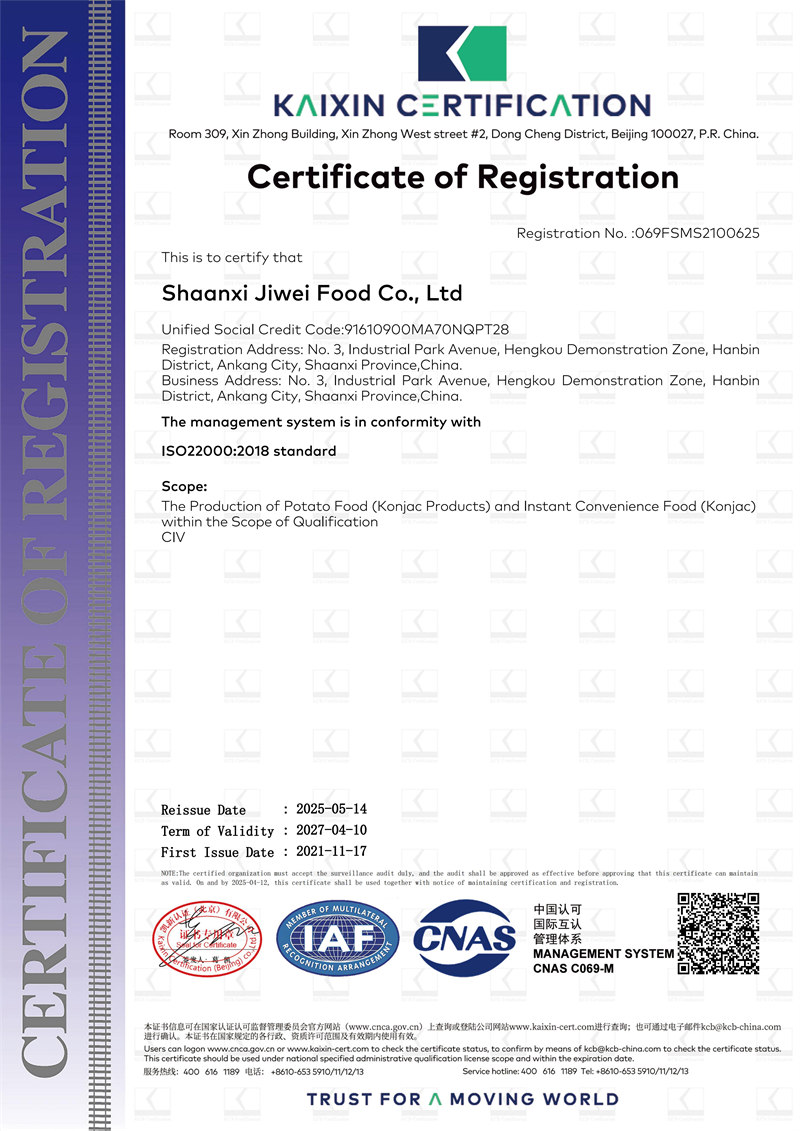
By establishing a three-in-one quality control system of "raw material traceability + process monitoring + finished product inspection", and strictly implementing international certification standards such as ISO22000, HALAL, and HACCP, we ensure quality assurance throughout the entire process from the source to the terminal.
—— KONJAC BROTHERS
Shaanxi Jiwei Food Co., Ltd. — A Decade of Konjac Innovation
Internationally recognized certifications ensuring the highest standards of food safety, quality, and compliance for global dairy industry partnerships.
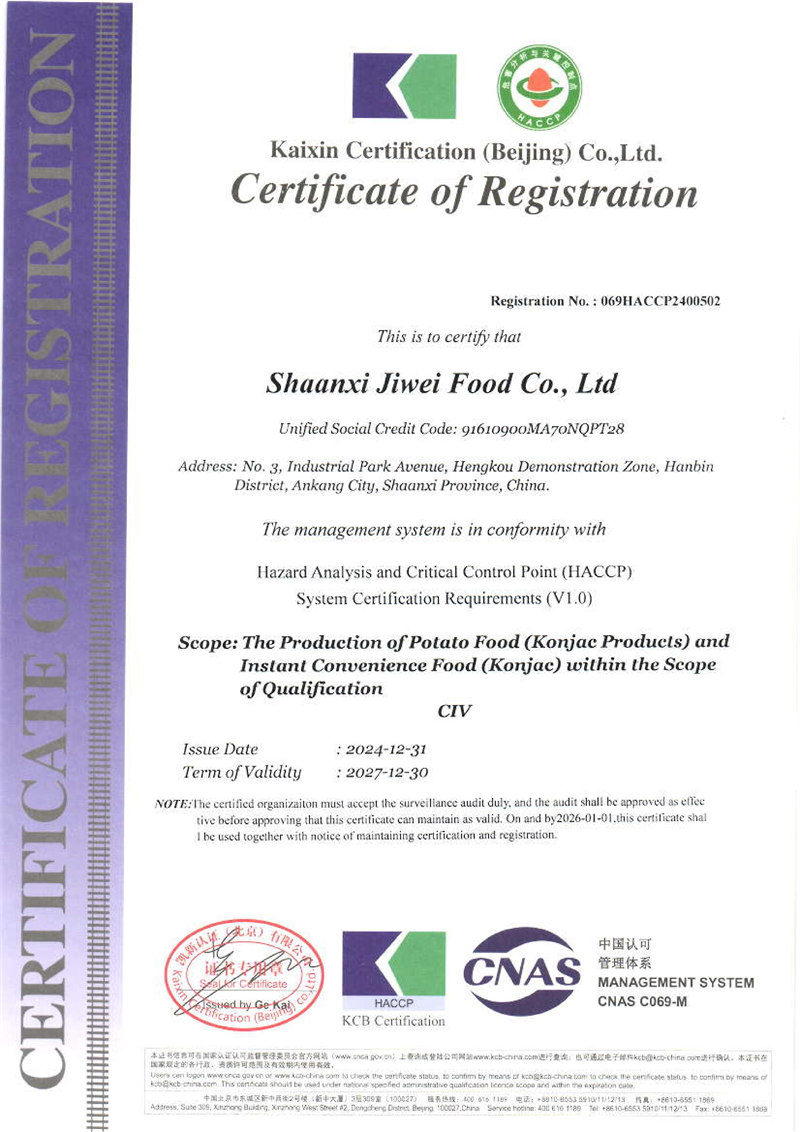
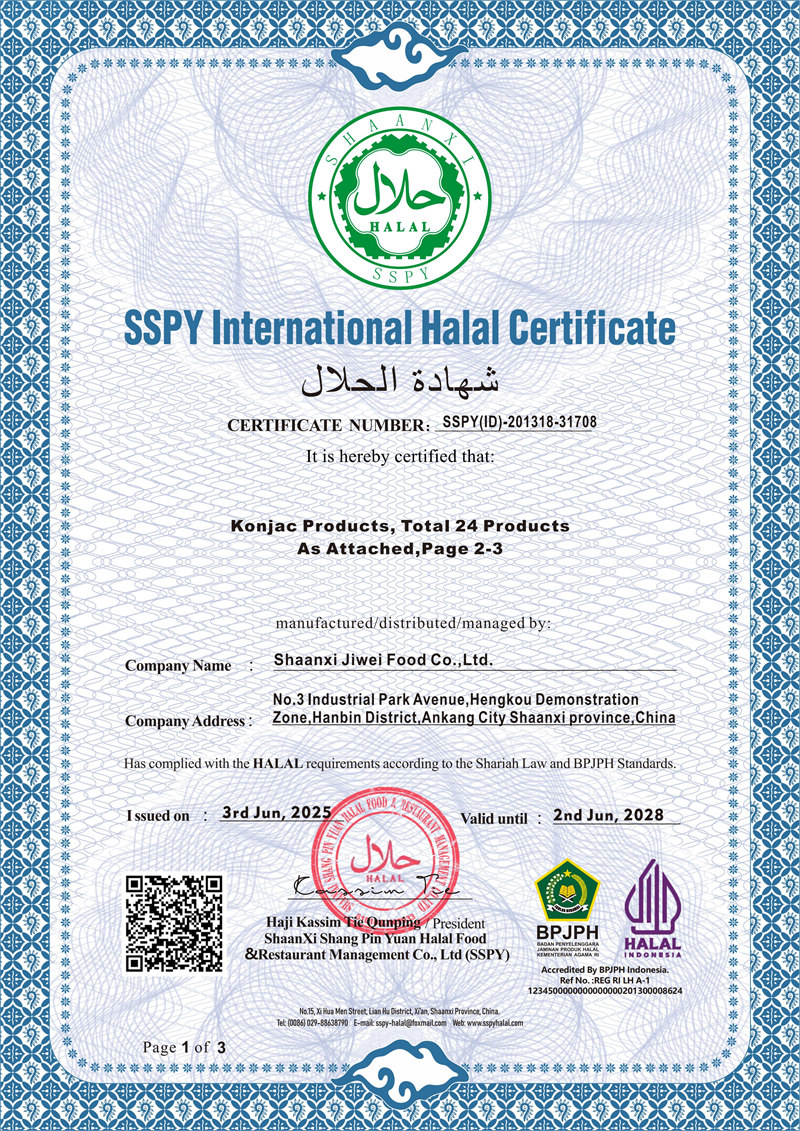
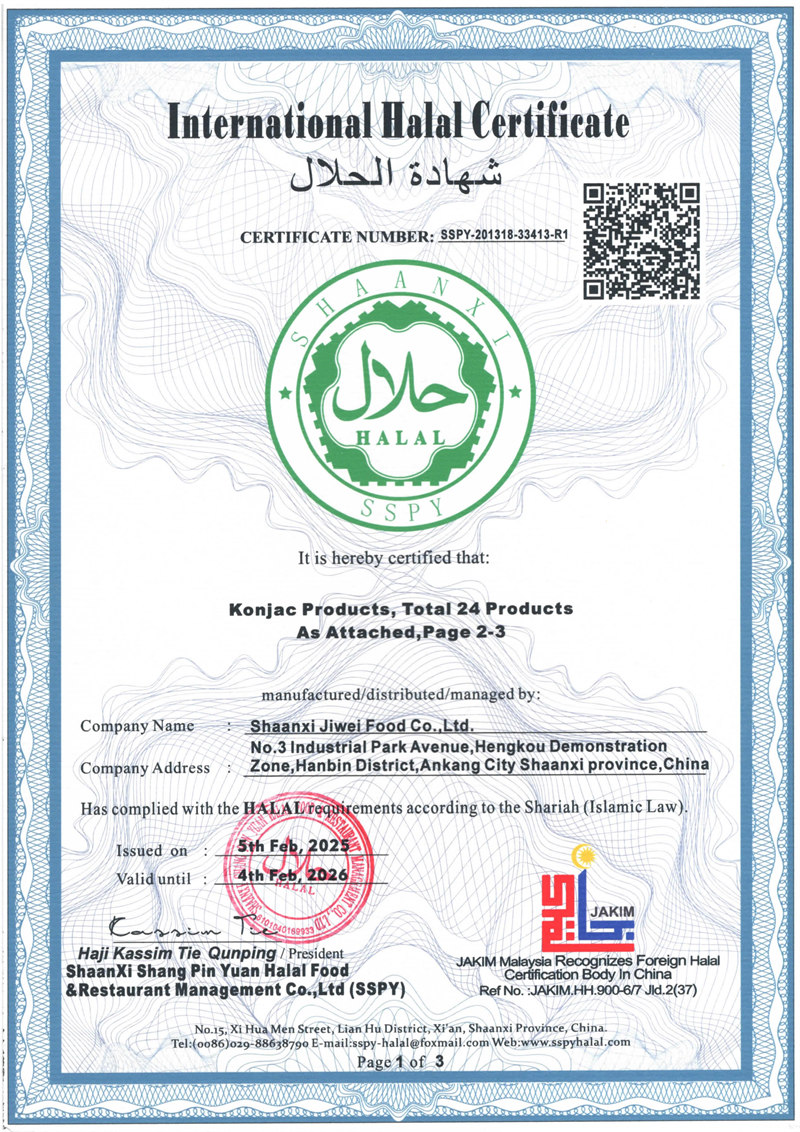
Partner with Konjac Brothers — your trusted source for premium konjac protein tofu thickening solutions. Our technical team is ready to support your dairy product development with customized ingredient specifications and formulation guidance.
Get a Custom QuoteExplore our complete range of konjac-based products for dairy thickening, texturizing, and functional food applications.