86+09153618258
Leave Your Message
-
Contact Phone
-
 Contact Email
Explore our flagship low-carb, high-performance konjac formulations designed for global distribution.
The global weight management landscape is undergoing a monumental paradigm shift. Consumers are transitioning away from high-sugar liquid shakes and synthetic meal powders toward whole-food, clean-label alternatives that preserve eating pleasure while delivering structural satiety. Among these innovations, Konjac Protein Tofu stands at the absolute forefront.
Traditional konjac foods (often known as shirataki or konnyaku) are widely celebrated for their near-zero calorie count and rich soluble fiber (Glucomannan) content. However, they have historically faced criticism for their lack of nutritional density—specifically protein—and their rubbery texture. By synergistically fusing premium plant proteins (such as soy, pea, or mung bean protein isolate) into the structural matrix of konjac glucomannan, a new functional food category is born: Konjac Protein Tofu.
This advanced hybrid matrix provides the optimal solution for weight loss meal replacements: it delivers the extreme low-calorie profile of konjac alongside the metabolic, muscle-sparing benefits of high-quality plant proteins, all wrapped in a tender, pleasant, tofu-like mouthfeel.

Glucomannan absorbs up to 50 times its weight in water, forming a high-viscosity gel in the stomach that delays gastric emptying and triggers long-lasting stretch receptors. When paired with plant-based protein, which stimulates satiety hormones like peptide YY (PYY) and GLP-1, the dual-action mechanism provides unmatched hunger suppression, making it the perfect core ingredient for weight loss meal replacements.
A deep dive into the manufacturing capabilities, supply chain evolution, and global market positioning of advanced konjac products.
Global regulatory bodies and consumer groups are rejecting artificial stabilizers. Modern konjac manufacturing relies on physical thermal gelation rather than heavy chemical cross-linking, satisfying clean-label demands.
With the rise of veganism and lactose-intolerant populations, plant-based protein sources merged with konjac offer an allergen-free, dairy-free alternative to traditional whey-based meal replacements.
By utilizing high-shear emulsification and controlled pH thermal settings, manufacturers can now replicate the precise chewiness, bite, and liquid-absorption capacity of authentic wheat-based noodles and soft tofu.
From an industrial perspective, the global market for weight-loss meal replacements is projected to reach billions of dollars by 2030. Within this market, the demand for solid, savory, and ready-to-eat (RTE) meal replacements is outpacing sweet shakes. Consumers are experiencing "shake fatigue" and are actively looking for low-carb savory meals—such as high-protein konjac rice, noodles, and protein tofu—that can be prepared in minutes.
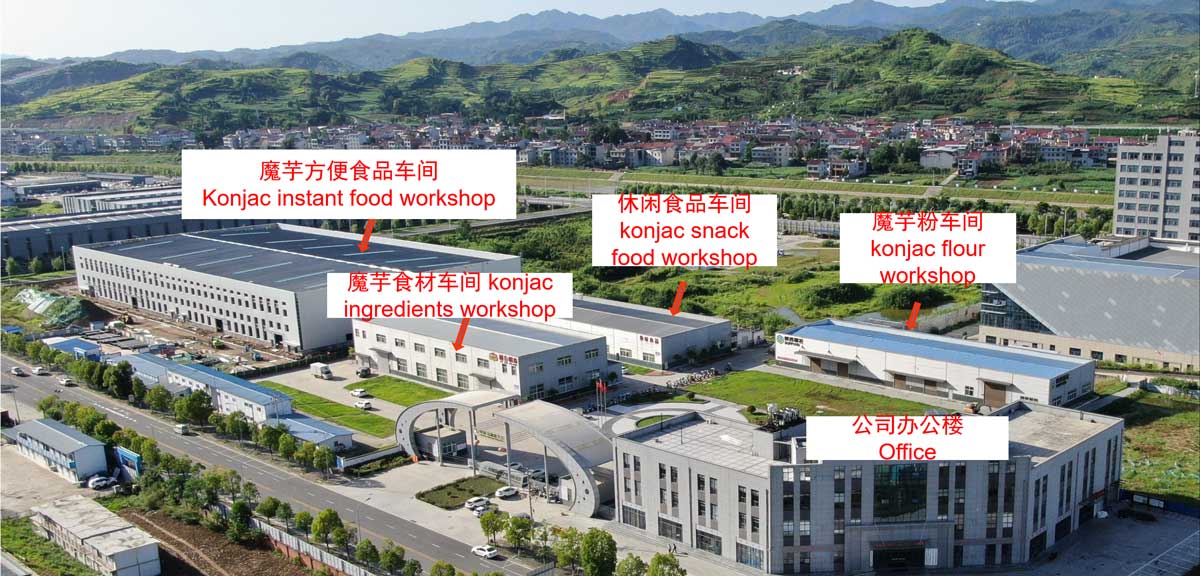
As a result, leading food brands are partnering with specialized manufacturers like Konjac Brothers to develop customized, private-label solutions. By integrating high-purity konjac flour raw materials with state-of-the-art production lines, we enable brands to launch premium, high-margin functional food portfolios globally.
How distinct commercial sectors are leveraging this versatile ingredient to capture market share and fulfill consumer needs.
In the sports nutrition sector, athletes and fitness enthusiasts require precise macronutrient ratios. Traditional high-protein meals often carry excessive carbohydrates and fats. Konjac Protein Tofu serves as an ideal blank canvas for meal preppers. It allows for the creation of protein-rich, ultra-low-carb dishes that support lean muscle mass maintenance while facilitating rapid fat loss.
The global surge in metabolic conditions, including Type 2 diabetes and insulin resistance, has created an urgent demand for low-glycemic index (GI) foods. Traditional tofu is highly beneficial, but when combined with konjac glucomannan, its glycemic impact is reduced even further.
Medical institutions, nursing homes, and clinical weight-loss programs are increasingly adopting Konjac Protein Tofu formulations. It provides patients with the comforting sensory experience of eating noodles, rice, or traditional tofu without causing dangerous blood sugar spikes or putting strain on renal systems.
The technological and developmental horizons that will shape the next decade of functional foods.
One of the historical hurdles of konjac-based foods has been their inability to retain deep flavors within their dense, gelled structures. The future of manufacturing lies in micro-encapsulation. By embedding flavor compounds directly into the protein-glucomannan matrix during the thermal gelation process, manufacturers can produce Konjac Protein Tofu that releases rich, savory flavors upon mastication, eliminating the need for heavy, calorie-laden external sauces.
Environmental responsibility is no longer optional. Konjac is a highly sustainable crop, requiring minimal water and pesticide use compared to traditional wheat or rice. Moving forward, industrial developers are exploring the integration of upcycled plant proteins—such as those derived from beer brewing byproducts or oilseed processing—into the konjac matrix, creating a highly circular, carbon-negative meal replacement product.
With the rise of AI-driven personalized health, consumers are seeking customized meal replacements. Future manufacturing pipelines will allow brands to order small-batch, customized runs of Konjac Protein Tofu fortified with specific micronutrients, such as Vitamin D, B12, iron, or adaptogens, tailored to specific demographic cohorts (e.g., keto diet advocates, menopausal health, or senior vitality).
Partner with us to bring cutting-edge Konjac Protein Tofu and functional meal replacements to the global market.


Discover our full commercial portfolio of premium konjac foods, noodles, rice, and raw materials.