 86+09153618258
Leave Your Message
-
Contact Phone
-
 Contact Email
Immediate commercial iterations engineered for direct consumption and structural extrusion in next-generation gluten-free pasta processing.
How glucomannan hydrocolloids eliminate the structural, thermal, and textural compromises in non-wheat extrusions.
Konjac Glucomannan (KGM) features β-1,4 linked D-mannose and D-glucose backbones with acetyl groups. When integrated into pasta doughs, it establishes an irreversible, heat-stable crosslinked gel matrix that replicates the viscoelasticity and al dente bite typically provided by wheat gluten networks.
Traditional rice, corn, and legume starches degrade rapidly under twin-screw extrusion shear, yielding fragile strands with excessive starch leaching. KGM acts as an interstitial binder, absorbing up to 50–100 times its weight in water to preserve strand integrity through industrial continuous boiling.
Modern consumers demand that functional pasta bridge the gap into savory, ready-to-eat (RTE) snacking formats. By utilizing dehydrated konjac crisps and semi-finished blanks, manufacturers achieve high-fiber, low-calorie profile without reliance on synthetic gums or chemical binders.
A complete technical breakdown of rheological mechanics, extrusion thermal dynamics, market scalability, and production economics.
The global gluten-free pasta market has entered an aggressive maturation phase. Historically driven by celiac disease and severe wheat allergies, demand is now overwhelmingly propelled by wellness-oriented, low-carb, and ketogenic demographics. However, industrial producers face an enduring engineering dilemma: the gluten network within traditional durum semolina (composed of gliadins and glutenins) establishes the three-dimensional elastic protein scaffold responsible for starch entrapment, structural integrity during cooking, and signature tensile resistance. When durum wheat is replaced by non-gluten cereal flours such as white rice, yellow corn, tapioca, or pulse flours (pea, chickpea, lentil), this cohesive scaffolding is lost.
The consequence on the manufacturing floor is severe: high cooking loss, elevated water turbidity due to amylose leaching, brittle dry strands susceptible to shipping fracture, and a mushy, retrograded crumb texture upon cooling. Hydrocolloids like xanthan gum, guar gum, and hydroxypropyl methylcellulose (HPMC) have traditionally been employed as substitute binders. Yet, rising consumer scrutiny toward clean labels has forced R&D scientists to seek unrefined, naturally derived botanical biopolymers. This is precisely where Konjac Glucomannan (KGM) extracted from the tuber of Amorphophallus konjac has emerged as a disruptive industrial solution.
At the molecular level, konjac glucomannan is a neutral polysaccharide composed of β-(1→4)-linked D-mannose and D-glucose units in a molar ratio of approximately 1.6:1, decorated with side branches and acetyl groups every 9 to 19 sugar residues. The acetyl groups are critical: their steric hindrance prevents the polymeric chains from aligning too tightly into dense crystalline fibers under low temperatures, creating extraordinary ambient water-binding capacity (viscosities exceeding 30,000 to 40,000 mPa·s at 1% aqueous concentrations).
When formulating gluten-free pasta or expanding into shelf-stable konjac snack products (such as extruded crisps or spicy ribbon strips), industrial processors utilize two distinct gelation pathways:
| Functional Parameter | Conventional Gluten-Free Extrusion | Konjac-Infused Pasta Matrix | Dehydrated Konjac Snack Hybrid |
|---|---|---|---|
| Tensile Strength (Cooking Yield) | Low (Prone to shearing and breakage) | High (Elastic KGM scaffolding) | Ultra-High (Crosslinked fibrous bite) |
| Starch Leaching / Turbidity | 8% – 14% loss into cooking water | < 2.5% loss (Granule encapsulation) | Virtually 0% (Matrix immobilized) |
| Glycemic Index (GI) Factor | Moderate to High (GI 65 - 85) | Low-GI (Soluble fiber slows amylase) | Ultra-Low / Keto-Compliant |
| Thermal Retort Stability (121°C) | Fails (Dissolves into paste) | Maintains structural integrity | Exceptional chew resistance |
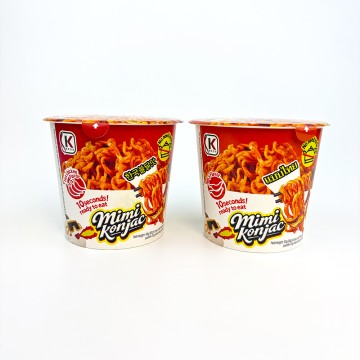
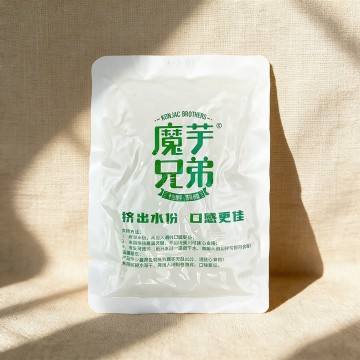
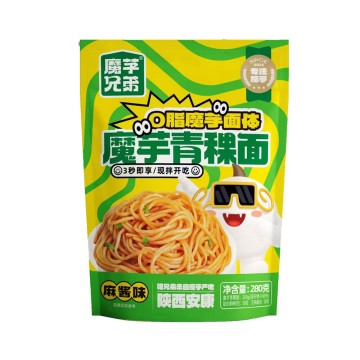
The boundary between staple gluten-free pasta and on-the-go functional snacking has dissolved. Modern consumers are no longer satisfied with dry, raw pasta formats requiring long boil times; they demand versatile convenience. Semi-finished noodle blanks (such as our proprietary Konjac Noodle Blanks) represent a critical commercial breakthrough. Produced under certified sanitary standards, these blanks are formulated with precisely calibrated moisture levels and controlled deacetylation ratios, allowing industrial co-packers to steer the raw material in two radically profitable directions:
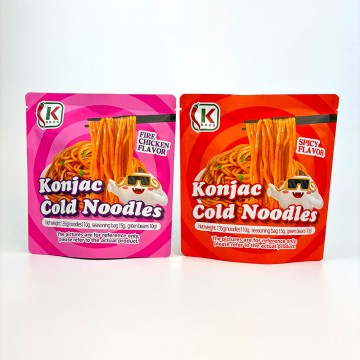
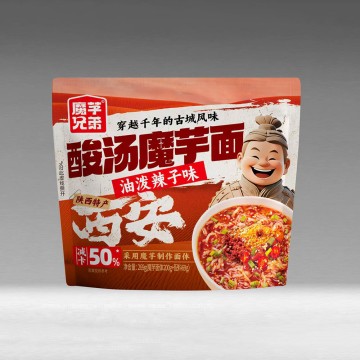
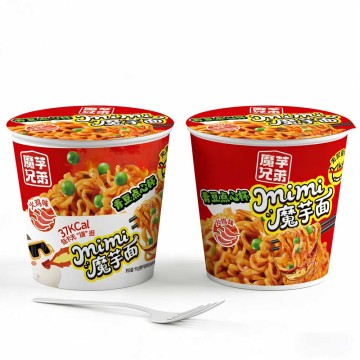
A. Ready-to-Eat (RTE) Microwaveable & Self-Heating Meal Kits: Utilizing semi-finished konjac blanks in paired combinations with functional broths—such as regional specialty sour soups, hot-chicken seasonings, or bone broths—producers bypass the consumer's need for cooking equipment. The noodles do not degrade, soften, or turn gelatinous even when stored at room temperature in liquid pouches for 12 to 18 months.
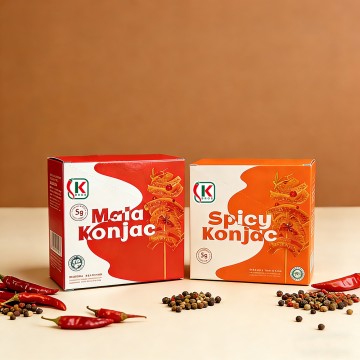
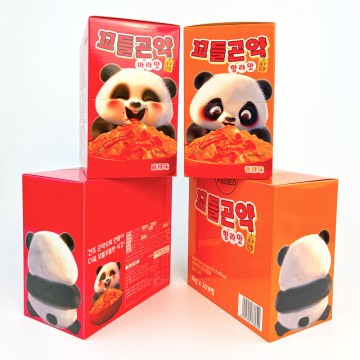
B. Dehydrated & Flavored Snack Crisps: Through continuous hot-air impingement, vacuum frying, or modern puffing technologies, konjac-starch blends can be transformed into crisp, savory snacks. Unlike conventional wheat-based crackers or potato chips, konjac crisps provide a voluminous, crunchy mouthfeel with a fraction of the caloric density, delivering immense dietary fiber payloads (predominantly glucomannan) that promote gut satiety and support stable postprandial glucose levels.
Integrating konjac biopolymers into large-scale automated continuous lines requires strict adherence to fluid dynamics and moisture equilibria. Many commercial manufacturers fail because they treat konjac simply as an additive rather than an active rheological modifier. To achieve operational success, several key variables must be stabilized:
Expanding into Tier-1 Western and Asian grocery channels demands strict traceability, allergen validation, and regulatory compliance. With gluten-free labeling legally restricted to under 20 ppm (parts per million) by the FDA and EFSA, konjac cultivation and processing facilities must operate under dedicated, segregated allergen-free environments. Sourcing konjac cultivated in pesticide-free volcanic soils, subjected to multi-stage ethanol purification, ensures an odorless, white, neutral-flavored ingredient ready to take on diverse seasoning matrices without lingering botanical aftertaste.
Empowering global pasta manufacturers and health snack brands with end-to-end processing, formulation R&D, and international logistics execution.
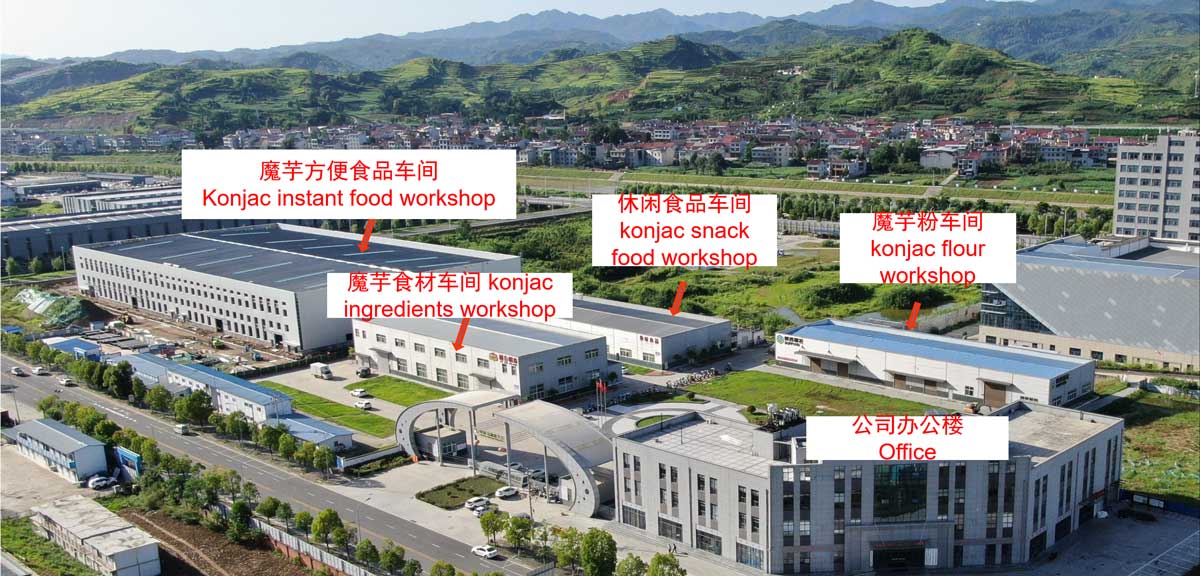
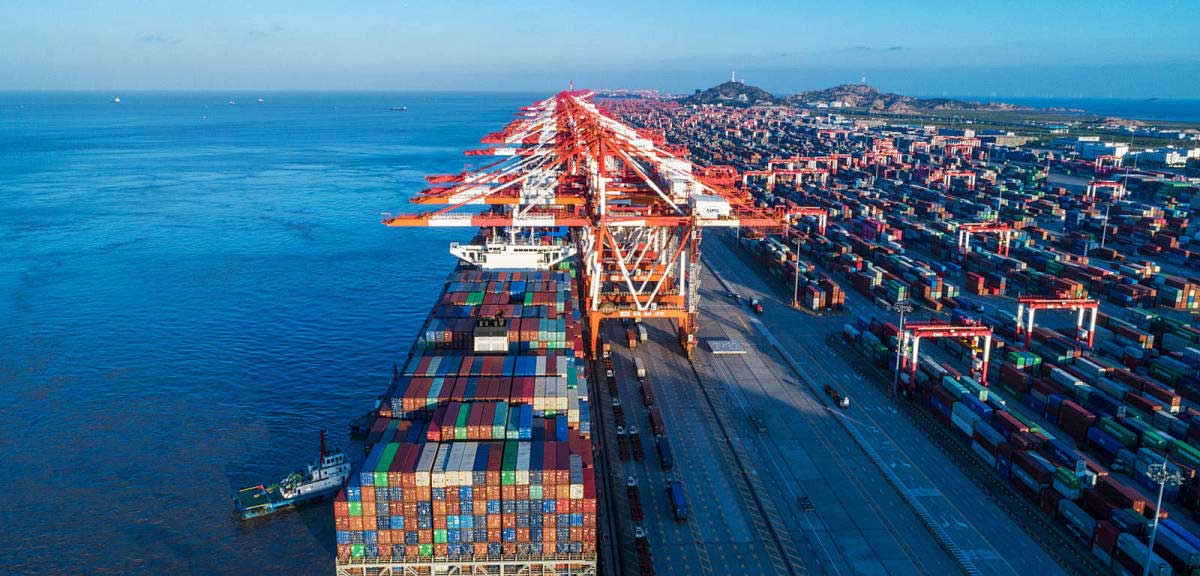


Explore our full line of retail-packaged snacks, ambient noodle meals, and semi-finished manufacturing bases designed for worldwide distribution.