86+09153618258


The Shift Toward Konjac Vegetarian Tripe in Dietary Fiber Supplements
In the contemporary global health and wellness landscape, dietary fiber has transitioned from a basic nutritional recommendation to a critical focus of preventative healthcare. As metabolic disorders, obesity, and gastrointestinal issues continue to rise globally, consumers are actively seeking dietary interventions that offer functional benefits beyond basic nutrition. This search has catalyzed a surge of interest in soluble fibers, particularly Glucomannan, a polysaccharide derived from the root of the Konjac plant (Amorphophallus konjac). While glucomannan is traditionally consumed in various gel-like forms throughout East Asia, a highly innovative application has taken the global market by storm: Konjac Vegetarian Tripe. Engineered to mimic the porous, chewy texture of animal tripe, Konjac Vegetarian Tripe serves as an outstanding, low-calorie, allergen-free vehicle for dietary fiber supplementation. This comprehensive guide explores the commercial and industrial status of Konjac Vegetarian Tripe, analyzes the emerging trends driving its global growth, and provides an in-depth look at its diverse application scenarios in modern nutrition.
High Viscosity Fiber
Glucomannan absorbs up to 100x its weight in water, creating a highly viscous gel that slows digestion and increases satiety.
Metabolic Support
Proven to regulate blood glucose levels and lower LDL cholesterol by binding bile acids in the gut.
Prebiotic Action
Acts as a vital fuel source for beneficial gut bacteria, promoting short-chain fatty acid (SCFA) production.
Nutritional Science and Chemistry of Konjac Glucomannan
The functional efficacy of Konjac Vegetarian Tripe is rooted in its chemical composition. The primary active component is glucomannan, a high-molecular-weight polysaccharide composed of D-glucose and D-mannose residues linked by β(1→4) glycosidic bonds. Because the human digestive tract lacks the specific enzymes required to break down these β-glycosidic linkages, glucomannan behaves as a soluble dietary fiber, passing through the stomach and small intestine largely undigested.
What makes glucomannan unique among dietary fibers is its extraordinary water-holding capacity and viscosity. It possesses the highest molecular weight and viscosity of any known dietary fiber, capable of absorbing up to 100 times its weight in water to form a highly cohesive gel. In the production of Konjac Vegetarian Tripe, this gel undergoes a structured alkalization process—typically using food-grade calcium hydroxide—which induces cross-linking of the polysaccharide chains. The resulting product is a stable, heat-resistant, and elastic food matrix with a highly porous structure that perfectly replicates the texture of animal tripe. This porous matrix is a critical asset; it acts as a physical sponge, absorbing flavors, seasonings, and added functional nutrients (such as vitamins, minerals, or prebiotics) without losing its structure. Consequently, Konjac Vegetarian Tripe is not just a food product but an advanced delivery system for dietary fiber and other health-promoting compounds.
Key Industrial Advantage
Unlike animal-based tripe, Konjac Vegetarian Tripe is completely free of cholesterol, saturated fats, and common allergens. Its heat-reversible gel properties allow it to withstand retort sterilization, making it ideal for shelf-stable ready-to-eat (RTE) packaging.
Industrial Production and B2B Supply Chain Dynamics
The commercial production of konjac has transitioned from small-scale agricultural harvesting to a highly sophisticated, technology-driven global supply chain. China is the undisputed epicenter of this industry, accounting for the vast majority of global konjac cultivation and processing, particularly in the mountainous regions of Yunnan, Shaanxi, and Sichuan provinces where the climate and soil conditions are optimal for Amorphophallus konjac growth.
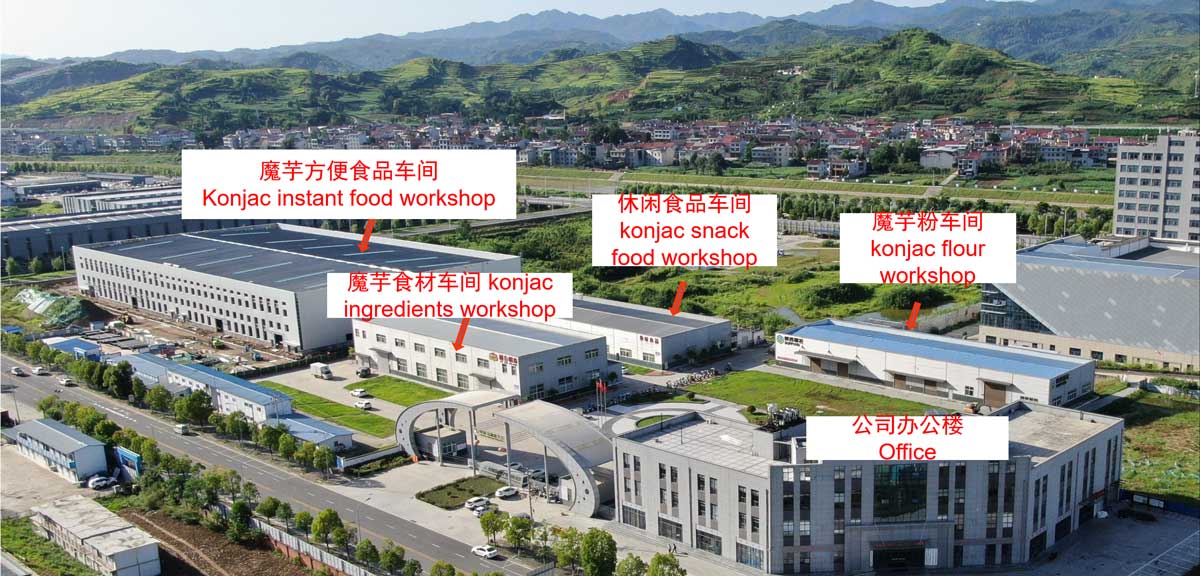
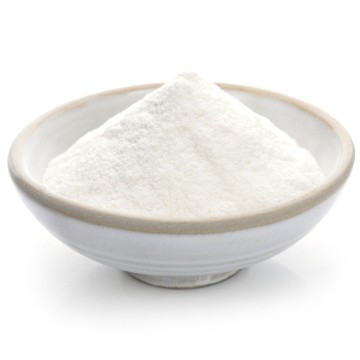
For B2B buyers and food manufacturers, the supply chain begins with the cultivation of the konjac corm, which is harvested, sliced, dried, and milled to produce raw konjac flour. This flour is then refined into high-purity glucomannan powder. In recent years, leading Chinese manufacturers, such as Konjac Brothers, have invested heavily in advanced purification technologies. These include multi-stage alcohol washing and physical deodorization processes that eliminate the natural, slightly fishy odor of raw konjac without relying on harsh chemical bleaching agents.
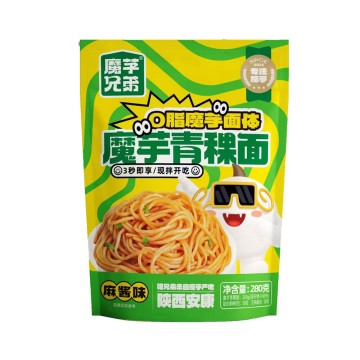
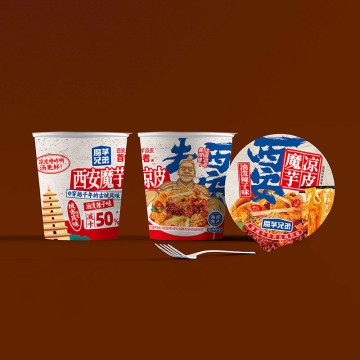
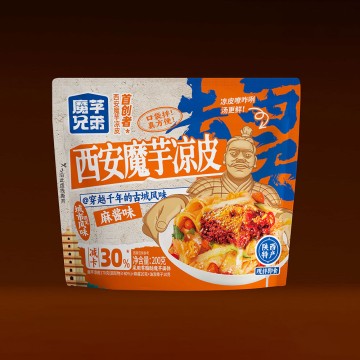
The resulting high-purity powder is then used to manufacture finished products like Konjac Noodles, Highland Barley Konjac Noodles, and Konjac Vegetarian Tripe. The industrial production of vegetarian tripe involves precise control over temperature, pH, and extrusion speed to ensure consistent texture, elasticity, and shelf stability. This level of quality control is essential for products destined for international markets, where compliance with FDA, EFSA, and other global food safety standards is mandatory.
Global Market Trends and the Satiety Revolution
The market for Konjac Vegetarian Tripe and related fiber supplements is experiencing rapid growth, driven by several powerful consumer trends:
- The Rise of GLP-1 and Satiety-Focused Eating: The global pharmaceutical breakthrough of GLP-1 receptor agonists (such as semaglutide) has fundamentally changed how consumers think about weight management. There is now a massive, growing demand for natural "satiety mimickers"—foods that naturally induce fullness and delay gastric emptying. Konjac glucomannan is scientifically proven to promote satiety by expanding in the stomach and slowing digestion, making Konjac Vegetarian Tripe a highly sought-after dietary component for individuals looking to manage their appetite naturally.
- Clean Label and Plant-Based Alternatives: As consumers become more critical of ultra-processed foods and animal-derived ingredients, they are turning to clean-label, plant-based alternatives. Konjac Vegetarian Tripe offers a cholesterol-free, fat-free, gluten-free, and vegan alternative to traditional animal tripe, appealing to vegans, vegetarians, and flexitarians alike.
- Functional Fortification: The modern consumer wants their food to do more. We are seeing a significant trend toward fortifying konjac products with additional functional ingredients. For instance, combining the prebiotic effects of konjac glucomannan with probiotics, resistant starches, or botanical extracts to support holistic gut health.
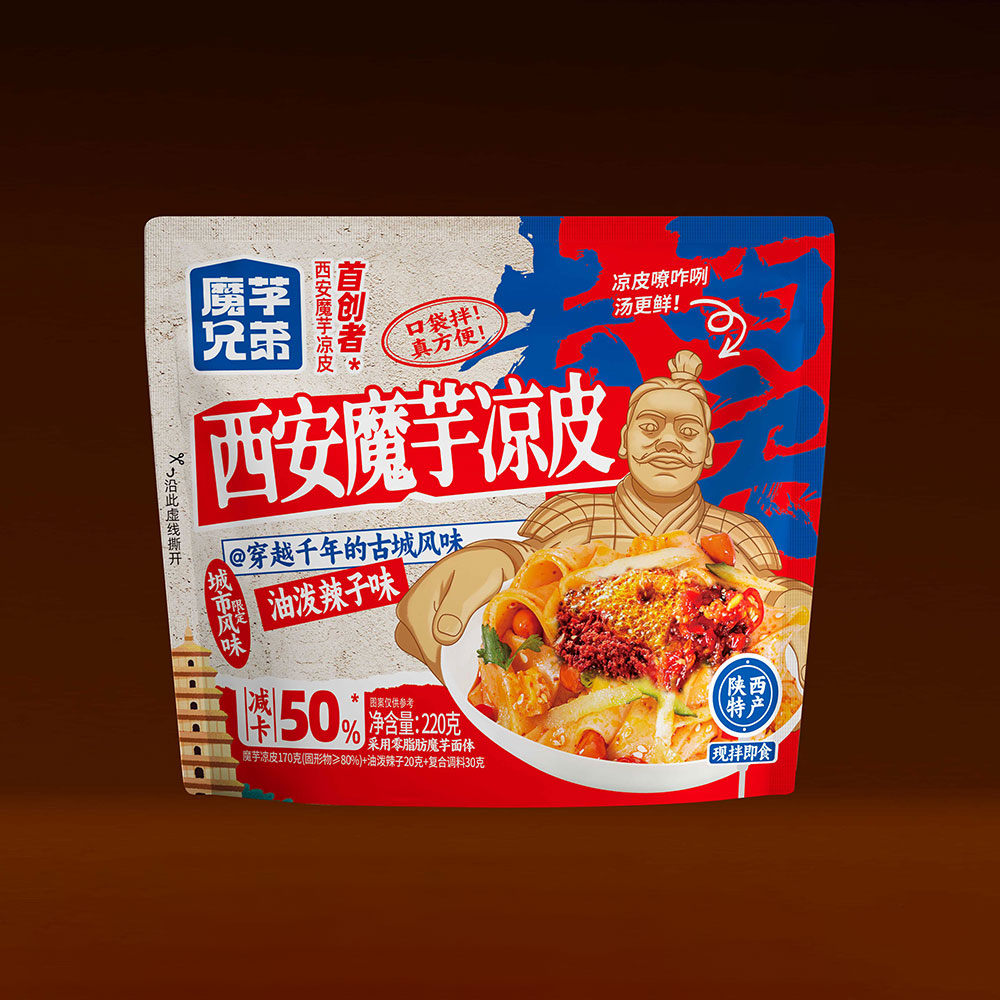
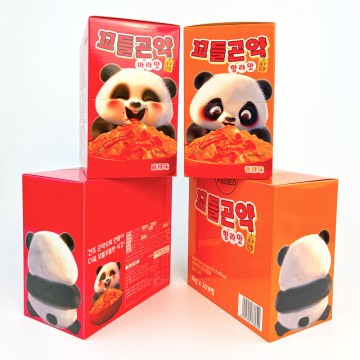
- Convenience and Ready-to-Eat (RTE) Snacks: The fast-paced lifestyle of modern consumers has created a booming market for healthy, on-the-go snacks. Low-calorie, fiber-rich snacks, such as spicy konjac slices or convenient cold noodle bowls, allow consumers to satisfy their cravings without compromising their dietary goals.
Deep-Dive Application Scenarios of Konjac Vegetarian Tripe
1. Glycemic Control and Diabetic Nutrition
For individuals managing Type 2 diabetes or insulin resistance, controlling postprandial blood glucose spikes is vital. Because Konjac Vegetarian Tripe consists almost entirely of soluble fiber and water, it has a glycemic index (GI) of virtually zero. When consumed as part of a meal, the viscous glucomannan gel forms a physical barrier in the digestive tract, slowing the absorption of carbohydrates from other foods. This results in a more gradual release of glucose into the bloodstream, helping to prevent insulin spikes and support long-term metabolic health.
2. Gut Microbiome Optimization and Prebiotic Function
The human gut microbiome is increasingly recognized as a key driver of overall health, influencing everything from digestion to immune function and mental well-being. Konjac glucomannan acts as a highly effective prebiotic. Upon reaching the large intestine, it is fermented by beneficial gut bacteria, such as Bifidobacteria and Lactobacilli. This fermentation process produces short-chain fatty acids (SCFAs), primarily acetate, propionate, and butyrate. SCFAs serve as the primary energy source for colonocytes, help maintain the integrity of the gut barrier, and exert anti-inflammatory effects throughout the body.
3. Weight Management and Caloric Deficit Support
Achieving and maintaining a caloric deficit is the cornerstone of weight loss, but hunger is often the greatest obstacle. Konjac Vegetarian Tripe provides a high-volume, low-calorie food option that physically fills the stomach, signaling the brain that the body is full. A 100-gram serving of konjac tripe contains less than 15 calories, compared to hundreds of calories in traditional carbohydrate-heavy sides or animal proteins. This allows individuals to enjoy satisfying, large-portion meals while keeping their caloric intake minimal.
4. Culinary Versatility in Modern Gastronomy
Beyond its health benefits, Konjac Vegetarian Tripe is celebrated for its culinary functionality. Its unique, porous structure allows it to absorb sauces and spices far more effectively than traditional plant-based proteins like tofu. It maintains its firm, chewy texture under various cooking methods, including boiling in hot pots, stir-frying, and cold dressing. This makes it an incredibly versatile ingredient for food service operators, meal kit companies, and home cooks looking to create healthy, flavorful dishes.
Strategic B2B Partnerships and Global Distribution
For businesses looking to enter or expand within the functional food and dietary supplement market, partnering with an experienced manufacturer is key. Leading producers like Konjac Brothers provide comprehensive OEM and ODM services, allowing brands to customize everything from product formulation and texture to packaging design and branding. Whether you are looking to launch a line of high-fiber ready-to-eat snacks, functional noodles, or customized glucomannan powders, a collaborative R&D approach ensures that the final product aligns perfectly with your target market's preferences. With robust global export capabilities supporting both FOB and CIF terms, international shipping and customs clearance are streamlined, ensuring that high-quality konjac products are delivered safely and efficiently to markets worldwide.