86+09153618258
Leave Your Message
-
Contact Phone
-
 Contact Email
As the global Halal food market continues its exponential growth trajectory, projected to reach $2.6 trillion by 2028, innovative plant-based alternatives are reshaping traditional dietary landscapes. Konjac vegetarian tripe emerges as a groundbreaking solution that seamlessly bridges authentic culinary traditions with modern health consciousness, offering Muslim consumers worldwide a premium, Halal-certified alternative that honors both religious requirements and contemporary nutritional standards.
The intersection of Halal dietary requirements and plant-based innovation represents one of the most dynamic segments in the global food industry. With over 1.8 billion Muslims worldwide and a growing health-conscious consumer base, the demand for authentic, certified Halal products that align with modern nutritional science has never been higher. Konjac vegetarian tripe addresses this demand by providing a texture-perfect, nutritionally superior alternative to traditional animal-based tripe, while maintaining full compliance with Islamic dietary laws.
The konjac plant, scientifically known as Amorphophallus konjac, has been cultivated in Asia for over 2,000 years. Its unique glucomannan fiber content creates a distinctive texture that remarkably mimics the mouthfeel of traditional tripe, making it an ideal candidate for Halal food applications. Unlike many plant-based alternatives that struggle with texture authenticity, konjac vegetarian tripe delivers an experience that satisfies both traditional palates and modern dietary preferences.
The global Halal food market is experiencing unprecedented growth, with plant-based segments showing annual growth rates exceeding 12%. Konjac-based products, particularly vegetarian tripe, are positioned at the forefront of this expansion, offering manufacturers and distributors a unique opportunity to capture market share in both traditional and emerging Halal markets across Southeast Asia, the Middle East, Europe, and North America.
Konjac vegetarian tripe represents a nutritional powerhouse that aligns perfectly with Halal dietary principles. With virtually zero calories, zero fat, and high dietary fiber content, it addresses the growing concern about obesity and metabolic disorders within Muslim communities worldwide. The glucomannan fiber found in konjac has been scientifically proven to support digestive health, regulate blood sugar levels, and promote cardiovascular wellness—benefits that resonate strongly with health-conscious Halal consumers.
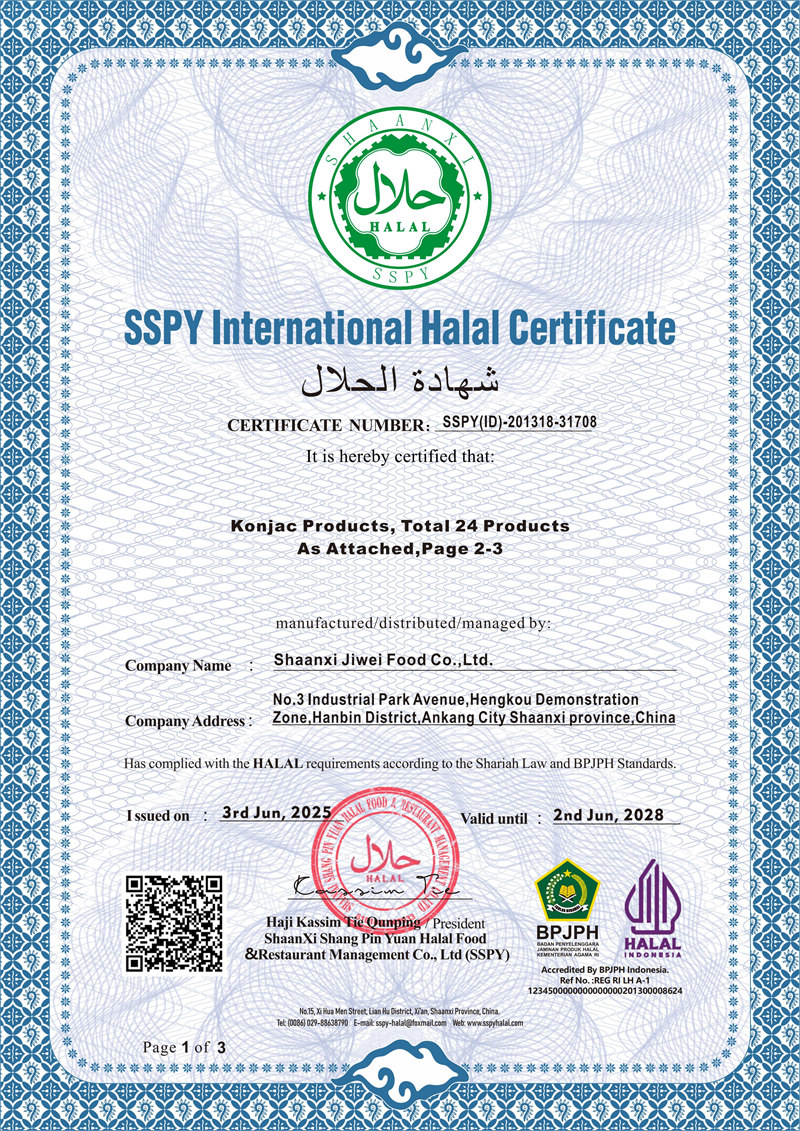
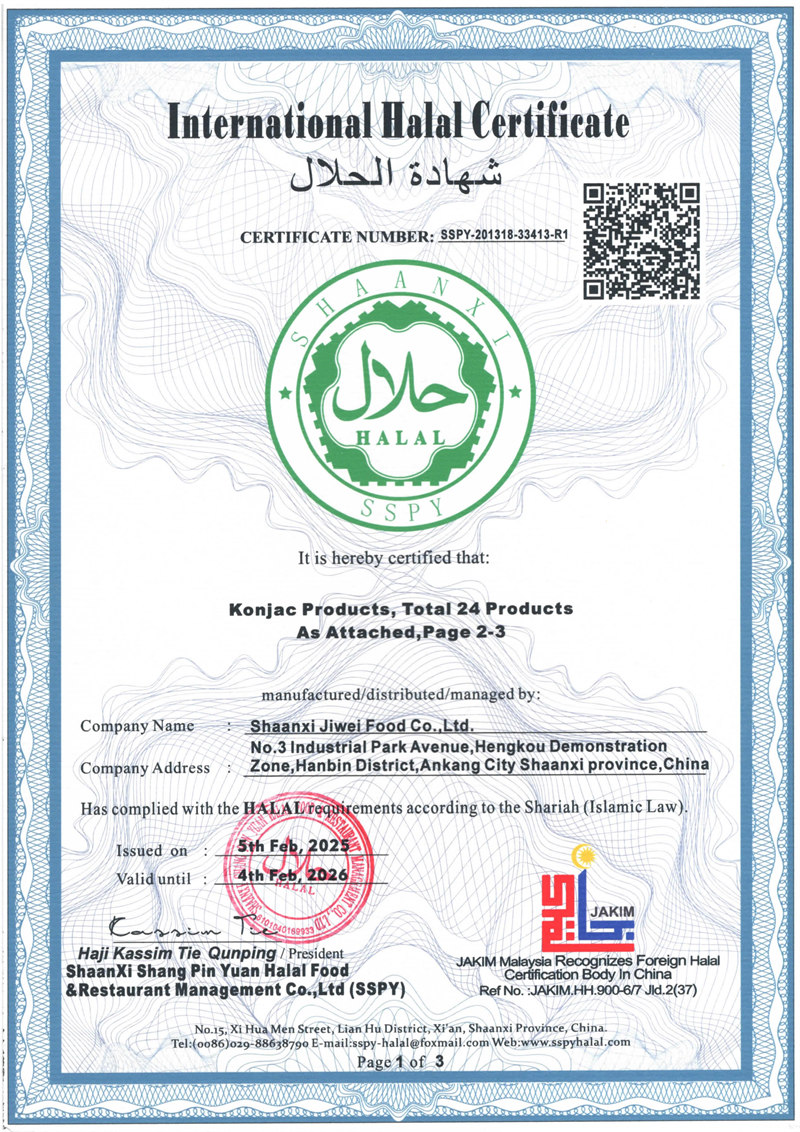
The production process of konjac vegetarian tripe adheres strictly to Halal certification standards, ensuring complete traceability from farm to table. This includes verification that no animal-derived ingredients, alcohol, or prohibited substances are used at any stage of processing. Leading manufacturers like Shaanxi Jiwei Food Co., Ltd. have obtained comprehensive Halal certifications from recognized international bodies, including Malaysia's JAKIM certification, which is considered the gold standard in Halal authentication.
Pure konjac extract with no animal derivatives, ensuring complete Halal compliance and vegetarian suitability
International Halal certification from recognized authorities, meeting the strictest Islamic dietary requirements
High fiber, low calorie, supports digestive health and weight management for modern Muslim consumers
The versatility of konjac vegetarian tripe extends across multiple segments of the Halal food industry. In the foodservice sector, restaurants specializing in Halal cuisine are incorporating konjac tripe into traditional dishes such as pho, hot pot, stir-fries, and stews, offering customers authentic taste experiences without compromising religious principles. The product's ability to absorb flavors while maintaining its distinctive texture makes it an ideal ingredient for chefs seeking to innovate within Halal culinary traditions.
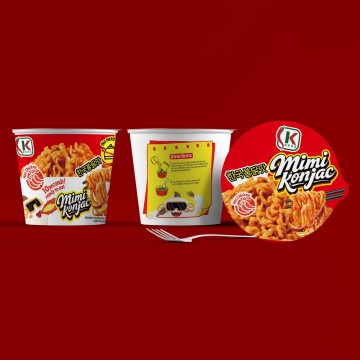
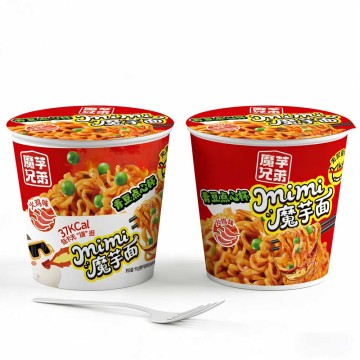
For food manufacturers, konjac vegetarian tripe presents significant opportunities in the ready-to-eat and convenience food segments. The growing Muslim population in urban centers worldwide demands quick, convenient meal solutions that don't sacrifice Halal compliance or nutritional value. Konjac-based products can be incorporated into instant noodle cups, frozen meals, and snack foods, creating new product lines that appeal to time-pressed consumers seeking authentic Halal options.
The retail sector has witnessed remarkable growth in packaged konjac vegetarian tripe products. Supermarkets and specialty Halal stores across Malaysia, Indonesia, Singapore, and the Middle East are dedicating increasing shelf space to these innovative products. The extended shelf life of properly packaged konjac products, combined with their Halal certification, makes them attractive to retailers seeking to expand their plant-based and Halal offerings without complex cold chain requirements.
Southeast Asia represents the most mature market for konjac vegetarian tripe within the Halal food sector. Countries like Malaysia and Indonesia, with their large Muslim populations and established Halal certification infrastructure, have embraced konjac products enthusiastically. Malaysian consumers, in particular, have shown strong preference for konjac-based alternatives, driven by government initiatives promoting healthier eating habits and the country's position as a global Halal hub.
The Middle Eastern market presents enormous untapped potential for konjac vegetarian tripe. As Gulf Cooperation Council (GCC) countries implement Vision 2030-style economic diversification programs, there's increasing focus on food security and sustainable nutrition. Konjac products align perfectly with these objectives, offering a shelf-stable, nutritious alternative that can be produced locally or imported with minimal environmental impact. Early market entry in this region could establish significant competitive advantages for forward-thinking manufacturers.
European and North American markets are experiencing rapid growth in Halal food consumption, driven by both growing Muslim immigrant populations and non-Muslim consumers attracted to the health benefits of Halal-certified products. In the United Kingdom, France, and Germany, Halal food retail has grown into a multi-billion dollar industry, with plant-based alternatives gaining particular traction among younger, health-conscious Muslim consumers who seek products that reflect both their faith and their lifestyle values.
Advanced food technology has transformed konjac vegetarian tripe from a niche specialty product into a mainstream Halal food ingredient. Modern processing techniques, including precision gelation control, texture optimization algorithms, and flavor infusion technologies, have dramatically improved the sensory profile of konjac tripe products. These innovations ensure that the final product delivers an authentic eating experience that satisfies even the most discerning consumers accustomed to traditional tripe dishes.
Manufacturers are investing heavily in research and development to expand the application range of konjac vegetarian tripe. Current innovation focuses include developing pre-marinated varieties that reduce preparation time for foodservice operators, creating flavored versions that cater to regional taste preferences across different Halal markets, and engineering products with enhanced protein content through the incorporation of plant-based protein sources that maintain Halal compliance.
Packaging technology has also advanced significantly, with modified atmosphere packaging and vacuum sealing techniques extending product shelf life while preserving texture and nutritional integrity. These developments are critical for international trade, enabling manufacturers in China to supply Halal markets across Southeast Asia, the Middle East, and beyond with products that maintain quality throughout extended distribution chains.
Successful penetration of global Halal markets requires not just product quality but comprehensive supply chain integrity. Leading konjac manufacturers have implemented blockchain-based traceability systems that document every step of the production process, from konjac cultivation through processing, packaging, and distribution. This transparency is increasingly demanded by Halal certification bodies and sophisticated retail buyers who need to verify compliance claims with precision and confidence.
The application of konjac vegetarian tripe in Halal foodservice environments spans an impressive range of culinary traditions. In Malaysian Halal restaurants, konjac tripe has become a popular ingredient in traditional dishes like Bak Kut Teh adaptations, laksa, and steamboat hotpot. Its ability to absorb the complex spice profiles of these dishes while maintaining structural integrity during extended cooking makes it a preferred choice for professional chefs seeking consistent, high-quality results.
In the Middle Eastern foodservice sector, konjac vegetarian tripe is finding applications in traditional stews and slow-cooked dishes. Its texture compatibility with dishes like Harees, Thareed, and various lamb-based stews allows chefs to offer vegetarian Halal options without compromising the authentic character of these culturally significant dishes. This application is particularly valuable for hotel restaurants and catering companies serving diverse international clientele with varying dietary requirements.
The fast-casual dining segment represents a particularly high-growth opportunity for konjac vegetarian tripe in Halal markets. As Muslim consumers increasingly seek quick-service dining options that align with their dietary principles, restaurant chains are developing konjac-based menu items that deliver speed, convenience, and authentic flavor. From konjac tripe tacos to Asian-fusion bowls, the ingredient's versatility enables creative menu development that attracts both traditional and adventurous diners.
Seamlessly incorporated into traditional Halal dishes across Southeast Asian, Middle Eastern, and fusion cuisines
Scalable production capabilities supporting large-volume orders for food manufacturers and private label brands
International certifications and compliant packaging enabling distribution to Halal markets worldwide
The sustainability credentials of konjac vegetarian tripe align powerfully with evolving consumer values within Halal markets. Islamic principles of environmental stewardship, known as Khalifa, are increasingly influencing purchasing decisions among Muslim consumers who seek products that minimize environmental impact. Konjac cultivation requires significantly less water, land, and energy compared to animal agriculture, making konjac-based products an environmentally responsible choice that resonates with values-driven Halal consumers.
The konjac plant itself is a remarkable example of sustainable agriculture. Grown primarily in mountainous regions of China, Japan, and Southeast Asia, konjac requires minimal pesticide application and can be cultivated on marginal land unsuitable for other crops. This characteristic makes konjac farming an important contributor to rural economic development and food security in producing regions, creating positive social impact that enhances the ethical profile of konjac-based Halal products.
Forward-thinking Halal food brands are leveraging the sustainability story of konjac vegetarian tripe as a key marketing differentiator. By communicating the environmental benefits of choosing plant-based konjac alternatives over conventional animal products, these brands are connecting with a growing segment of environmentally conscious Muslim consumers who see sustainable food choices as an expression of their faith values and global citizenship.
Navigating the complex regulatory environment of global Halal markets requires deep expertise and rigorous compliance management. Different markets maintain distinct Halal certification requirements, with Malaysia's JAKIM, Indonesia's MUI, and the Gulf Standards Organization each maintaining specific standards that manufacturers must meet to access their respective markets. Leading konjac producers have invested significantly in obtaining multiple certifications simultaneously, enabling them to serve diverse Halal markets with a single product line.
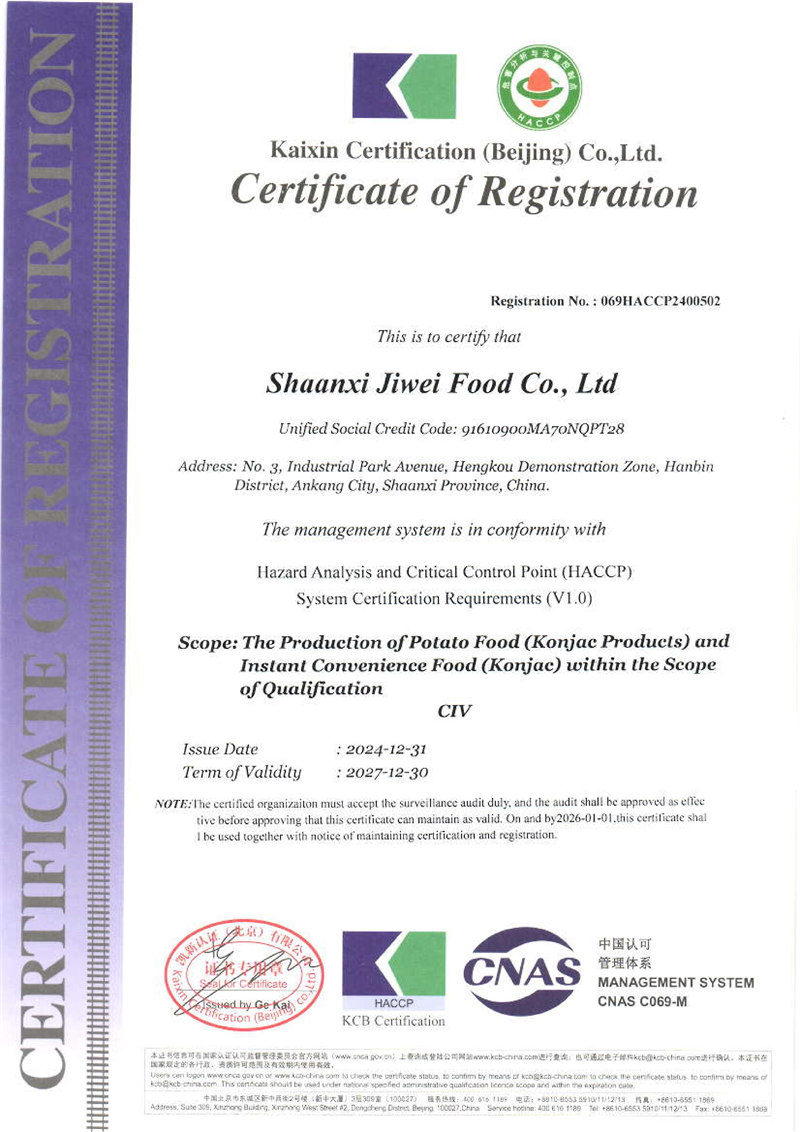
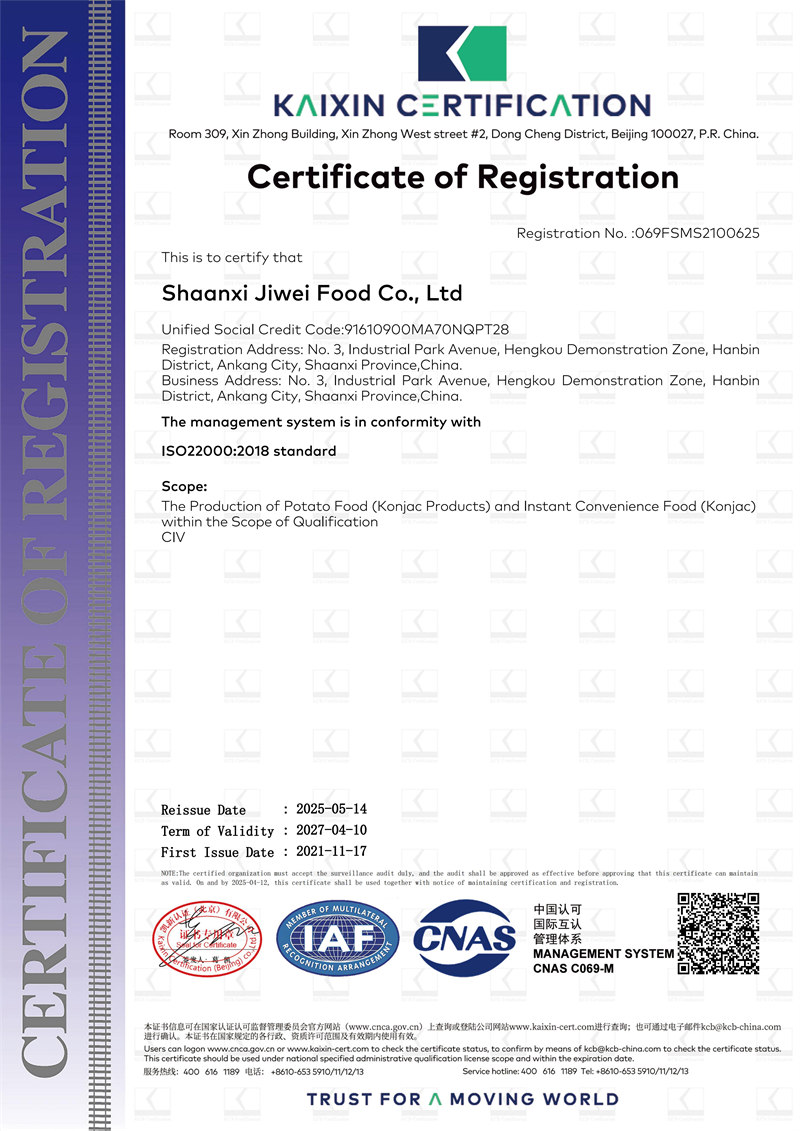
Beyond Halal certification, konjac vegetarian tripe manufacturers must comply with food safety regulations including ISO 22000, HACCP, and various national food safety standards. The integration of these quality management systems with Halal compliance requirements creates a comprehensive framework that ensures product safety, authenticity, and consistency across all markets. This multi-layered compliance approach is increasingly becoming a baseline expectation for serious Halal food buyers worldwide.
Shaanxi Jiwei Food Co., Ltd.
Shaanxi Jiwei Food Co., Ltd. was founded in 2018 and is a professional konjac food enterprise integrating konjac planting, research and development, production and sales.
The company has a registered capital of 50 million yuan, covers an area of over 50 mu, and possesses 30,000 square meters of standardized workshops and 3 automated konjac food production lines, thus building a complete industrial chain from konjac planting to deep processing.

Its product line covers multiple niche scenarios both online and offline, meeting the diverse needs of consumers of different age groups.
As a leading enterprise in the field of deep processing of konjac, the company has formed three core product systems: konjac snack foods, konjac catering ingredients and konjac convenience foods. Its products are sold well throughout the country and exported to overseas markets.
The company's brand "Konjac Brothers" adheres to the corporate mission of "developing the konjac industry and promoting scientific diet". Relying on its independently developed patented technology and advanced production system, it continuously develops innovative products that meet modern health needs.
By establishing a three-in-one quality control system of "raw material traceability + process monitoring + finished product inspection", and strictly implementing international certification standards such as ISO22000, HALAL, and HACCP, we ensure quality assurance throughout the entire process from the source to the terminal.
—— KONJAC BROTHERS
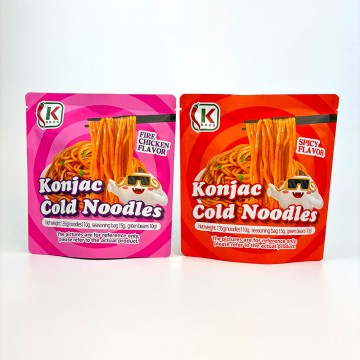
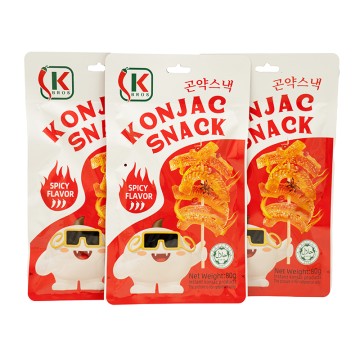
Konjac Brothers is a core proprietary brand under Shaanxi Jiwei Food Co., Ltd. It has also registered an independent overseas trademark – KONJAC BROTHERS, abbreviated as K-Brand. With over a decade of development, the brand has evolved a diverse product portfolio covering multiple categories of konjac products, including konjac leisure snacks, konjac instant foods, konjac ingredients, and konjac powder raw materials.
Adhering to the core positioning of "Specialized in Konjac, Reliable in Quality", Konjac Brothers takes "Developing the konjac industry, boosting the local economy, and contributing to a Healthy China" as its brand mission. We are committed to crafting premium products with dedication and providing sincere services to customers.
In recent years, the brand has maintained robust growth momentum, with its products successfully exported to Southeast Asian markets including Thailand, South Korea, and Malaysia. Looking forward, we are committed to bringing our konjac products to the global stage.