86+09153618258
Leave Your Message
-
Contact Phone
-
 Contact Email
The global dietary landscape is undergoing a massive transformation, driven primarily by the exponential rise of the ketogenic (keto) diet. Historically characterized by high-fat, moderate-protein, and ultra-low-carbohydrate consumption, the keto lifestyle forces the human body into a state of ketosis, where it burns fat for fuel instead of glucose. However, one of the most significant challenges for keto adherents has always been the psychological and physical craving for texture, bulk, and the satiating mouthfeel traditionally provided by carbohydrate-heavy foods like noodles, rice, and bread. Enter the revolutionary solution: Konjac Vegetarian Tripe.
Derived from the corm of the Amorphophallus konjac plant, a perennial botanical native to the mountainous regions of East Asia, konjac has been utilized for centuries. The true magic of konjac lies in its primary structural polysaccharide, glucomannan. Glucomannan is a highly viscous, soluble dietary fiber that possesses the extraordinary ability to absorb up to 50 times its weight in water. Because the human digestive system lacks the specific enzymes required to break down the beta-1,4 glycosidic bonds of glucomannan, it passes through the gastrointestinal tract virtually undigested. This remarkable biological mechanism means that konjac vegetarian tripe yields absolutely zero net carbohydrates and near-zero calories, making it the ultimate holy grail for ketogenic diet product formulations.
What sets Konjac Vegetarian Tripe apart from standard konjac noodles (shirataki) is the advanced biomimetic texturization process. By utilizing cutting-edge food extrusion and molding technologies, manufacturers have successfully replicated the complex, villi-rich surface and chewy, resilient bite of traditional beef or pork tripe. This intricate surface area is not just for aesthetic appeal; it serves a highly functional culinary purpose. The textured ridges and pockets act as microscopic sponges, capturing and holding onto high-fat keto sauces, MCT oils, and rich broths, thereby delivering a phenomenal sensory experience that bridges the gap between strict dietary compliance and gastronomic satisfaction.
The transformation of a raw konjac corm into a sophisticated, keto-compliant vegetarian tripe is a marvel of modern industrial food science. The process begins with the meticulous milling of the konjac root to extract highly purified konjac flour, maximizing the concentration of glucomannan. In standard industrial practices, this flour is then hydrated to form a highly viscous sol. The critical biochemical transformation occurs during the alkalization phase. By introducing a food-grade alkaline coagulant—typically calcium hydroxide (limewater)—the acetyl groups attached to the glucomannan polymer chains are removed. This chemical deacetylation triggers a phase transition, converting the water-soluble sol into a thermo-reversible, stable hydrogel.
To achieve the distinct "tripe" texture, the alkalized konjac gel is subjected to specialized micro-extrusion and high-pressure molding. Industrial food engineers utilize precision-engineered dies that meticulously craft the macro and micro-structures of the gel, forming the characteristic honeycomb and villi patterns. This is where AI-driven food technology is beginning to play a pivotal role. Modern manufacturing facilities are increasingly deploying machine learning algorithms and computer vision systems to monitor the rheological properties of the konjac gel in real-time. By analyzing variables such as temperature, pH levels, and shear stress during the extrusion process, AI systems can dynamically adjust the production parameters to ensure a perfectly uniform texture, optimal tensile strength, and maximum sauce-retention capacity.
Furthermore, the thermal stability of the resulting konjac vegetarian tripe is exceptional. Unlike many plant-based hydrogels that melt or degrade under high heat, alkalized konjac maintains its structural integrity even during aggressive boiling, deep-frying, or industrial retort sterilization. This thermal resilience is absolutely crucial for the commercial viability of keto products, as it allows the vegetarian tripe to be packaged in shelf-stable, ready-to-eat (RTE) formats. By utilizing high-temperature, short-time (HTST) sterilization and multi-layer oxygen-barrier packaging, manufacturers can achieve extended shelf lives of 12 to 18 months without the need for artificial preservatives or energy-intensive cold chain logistics, thereby drastically reducing global distribution costs.
The commercial trajectory of Konjac Vegetarian Tripe within the ketogenic diet market is experiencing unprecedented, exponential growth. Market intelligence reports indicate that the global ketogenic diet market is projected to surpass tens of billions of dollars by the end of the decade, expanding at a robust Compound Annual Growth Rate (CAGR). Concurrently, the plant-based food sector is seeing a massive influx of capital and consumer interest. Konjac vegetarian tripe sits at the highly lucrative intersection of these two mega-trends: it is uncompromisingly keto-friendly (zero net carbs) and completely plant-based (vegan), making it a powerhouse ingredient for modern food brands.
Historically, konjac consumption was heavily concentrated in East Asian markets, primarily in Japan, China, and Korea, where it has been a traditional dietary staple. However, the commercial landscape has radically shifted. North American and European markets are now the primary drivers of growth for innovative konjac applications. Western consumers, particularly millennials and Generation Z, are aggressively seeking clean-label, low-carb alternatives that do not compromise on texture or culinary versatility. This demographic shift has prompted global food distributors and keto brand owners to rapidly integrate konjac vegetarian tripe into their product portfolios, moving away from niche health food stores and penetrating mainstream supermarket chains and massive e-commerce platforms.
From a B2B and supply chain perspective, the commercial viability of konjac vegetarian tripe is highly attractive. The raw material, konjac corm, is relatively inexpensive to cultivate and requires minimal agrochemical intervention, aligning perfectly with global sustainability and ESG (Environmental, Social, and Governance) goals. For commercial buyers, the ability to source konjac vegetarian tripe in bulk, either in ambient-stable retort pouches or dehydrated formats, significantly mitigates the logistical complexities associated with traditional animal-based tripe, which requires stringent cold-chain management, faces volatile commodity pricing, and is subject to rigorous, often restrictive, international meat import regulations. Konjac tripe bypasses these hurdles, offering a streamlined, highly profitable global export model.
The true commercial power of Konjac Vegetarian Tripe lies in its incredible culinary versatility and broad spectrum of application scenarios within the ketogenic ecosystem. One of the most prominent applications is in the Ready-to-Eat (RTE) Keto Snack sector. By infusing the konjac tripe with high-quality, keto-compliant fats (such as avocado oil or MCT oil), bold spices, and natural umami extracts, manufacturers are creating highly portable, savory snack pouches. These snacks cater perfectly to the on-the-go keto consumer who needs a quick, satiating, zero-carb bite that mimics the satisfying chew of traditional jerky or seasoned meats, without the inflammatory effects of processed sugars.
Another massive application scenario is the Keto Hot Pot and Soup Market. Traditional Asian hot pot is a beloved culinary experience, but it is often fraught with hidden carbohydrates in the form of root vegetables, noodles, and starchy meatballs. Konjac vegetarian tripe serves as the ultimate substitute. Its thermal resilience allows it to withstand prolonged boiling in rich, high-fat bone broths or spicy tallow-based hot pot bases without disintegrating. More importantly, its biomimetic villi structure acts as a flavor conduit, absorbing the rich, fatty broths and delivering an explosion of taste with every bite, ensuring that keto dieters can fully participate in social dining experiences without breaking ketosis.
Beyond Asian cuisine, konjac vegetarian tripe is making significant inroads into Western Meal Prep and Fitness Diets. Bodybuilders, athletes, and fitness enthusiasts frequently utilize cyclical ketogenic diets for fat cutting. During these intense caloric deficit phases, hunger management is paramount. Konjac tripe, with its massive volume-to-calorie ratio, provides immense gastric distension and satiety signaling to the brain, effectively neutralizing hunger pangs. It is increasingly being used as a bulk-adding base in keto salads, replacing carbohydrate-dense pasta, or stir-fried with heavy cream, cheeses, and keto-friendly vegetables to create decadent, highly satiating, yet mathematically perfect keto macro-meals.
As the keto market matures, consumer expectations are evolving rapidly, driving the next generation of konjac vegetarian tripe innovation. The most significant trend is Nutritional Fortification. While traditional konjac is prized for its lack of calories and carbs, it is also devoid of protein. Forward-thinking food scientists are now developing hybrid konjac matrices. By meticulously blending high-quality plant isolates—such as pea protein, soy protein, or even collagen peptides—into the konjac sol before gelation, manufacturers are creating "Protein-Fortified Konjac Tripe." This breakthrough transforms a purely fiber-based ingredient into a comprehensive keto macronutrient powerhouse, delivering both the essential dietary fiber and the muscle-preserving protein required by active keto consumers.
Simultaneously, the Clean Label Movement is dictating formulation standards. Today's keto consumers are hyper-aware of artificial additives, synthetic preservatives, and chemical colorants. The industry is responding by utilizing entirely natural processing aids. For instance, natural vegetable extracts like beetroot powder, spirulina, or activated charcoal are being used to naturally color the tripe, while advanced natural preservation techniques utilizing rosemary extract and organic organic acids are replacing artificial shelf-life extenders. This commitment to transparency and purity is becoming a non-negotiable prerequisite for premium keto brands.
Finally, Eco-Friendly Packaging and Sustainability are paramount. The traditional multi-layer plastics used for retort pouches are notoriously difficult to recycle. The industry is aggressively pivoting towards biodegradable, compostable, or highly recyclable mono-material packaging solutions. Furthermore, the inherent sustainability of the konjac plant—which grows efficiently in shaded, mountainous terrains without competing for prime arable land used for staple crops—positions konjac vegetarian tripe as a highly ethical, low-carbon-footprint food source. This holistic approach, combining human health optimization with environmental stewardship, ensures that konjac vegetarian tripe will remain at the forefront of the global keto and plant-based revolution for decades to come.
Empowering global food brands with end-to-end supply chain, manufacturing, and marketing solutions tailored for the booming ketogenic and low-carb markets.
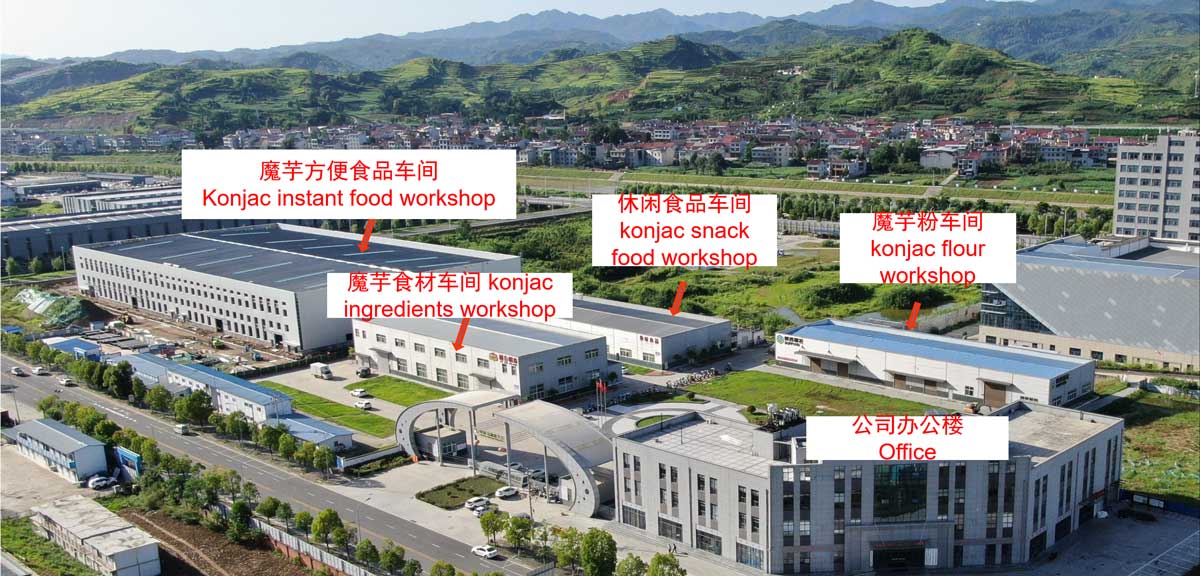
We offer full-process customized services from product design, R&D to manufacturing. We support customers to independently define product formulas, specifications, packaging and process flows according to their own needs, and we are responsible for production implementation to help customers create exclusive branded products tailored for the keto market.

We provide one-stop professional foreign trade export services, covering customs declaration, inspection, international logistics, document processing and other full-link services. We support two trade terms: FOB (Free On Board) and CIF (Cost, Insurance and Freight), and offer various international freight solutions such as door-to-port and port-to-port to ensure safe and on-time delivery of goods to global destinations.

We carry out joint R&D cooperation with enterprises in different industries, integrating the technical, resource and market advantages of both parties to jointly develop innovative products. Focusing on the fields of healthy food and functional ingredients, we create differentiated keto products that meet new market demands through cross-border technology integration and formula innovation.

We provide full-link support for brand marketing and communication, including market research, brand positioning, content planning, and online & offline promotion planning. Combining industry trends with customer brand characteristics, we develop precise promotion strategies to enhance product visibility and market share in the competitive low-carb sector.