86+09153618258
Leave Your Message
-
Contact Phone
-
 Contact Email
Certified halal konjac vermicelli and noodles designed specifically for Muslim consumers worldwide
The global halal food market represents one of the fastest-growing segments in the food industry, valued at over $2 trillion and expected to reach $3 trillion by 2030. With approximately 1.8 billion Muslims worldwide, representing nearly 24% of the global population, the demand for halal-certified food products continues to surge across both Muslim-majority countries and Western markets with significant Muslim populations.
Konjac vermicelli has emerged as an ideal product for the halal food market due to its plant-based origin, natural composition, and alignment with Islamic dietary laws. As a food derived from the konjac plant (Amorphophallus konjac), it contains no animal products, alcohol, or prohibited ingredients, making it inherently suitable for halal certification. The growing health consciousness among Muslim consumers, combined with the rise of dietary restrictions and preferences such as low-carb, keto, and gluten-free diets, has positioned konjac vermicelli as a premium alternative to traditional wheat-based noodles.
Key markets for halal konjac vermicelli include Indonesia, Malaysia, the Middle East (particularly UAE, Saudi Arabia, and Qatar), Turkey, and growing Muslim communities in Europe, North America, and Australia. The product's versatility, long shelf life, and ease of preparation make it particularly attractive for both retail consumers and the rapidly expanding halal food service industry.
The konjac vermicelli industry within the halal food sector has experienced remarkable transformation over the past five years. Initially positioned as a niche health food product, konjac vermicelli has now entered mainstream distribution channels across major halal markets. Leading supermarket chains in Malaysia, Indonesia, and the UAE now dedicate significant shelf space to konjac-based products, with halal-certified variants commanding premium positioning.
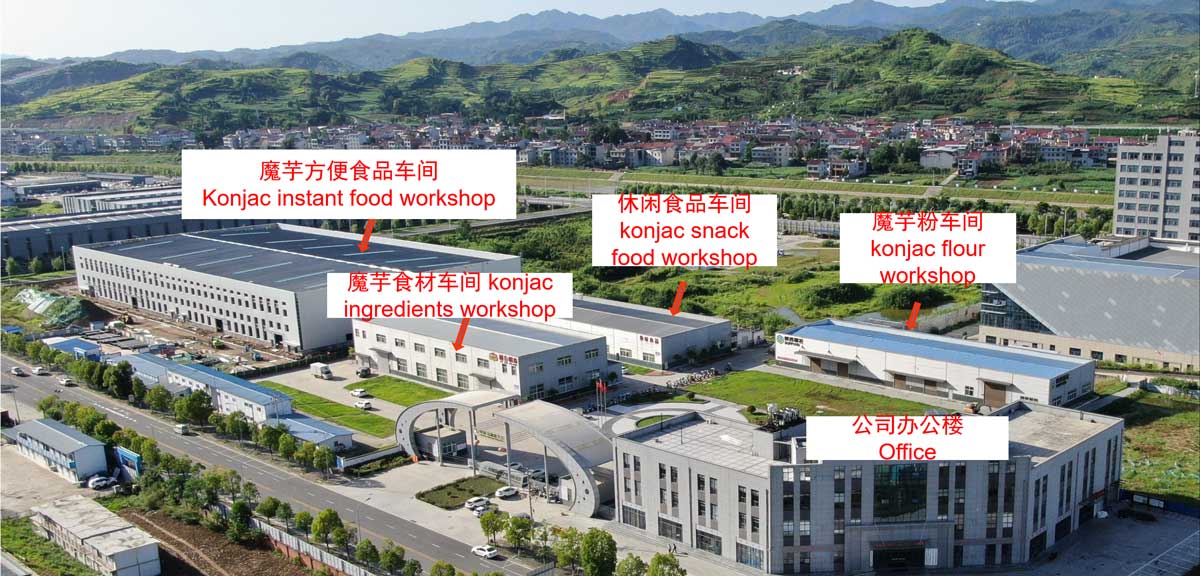
Manufacturing capabilities have expanded significantly, with specialized production facilities in China, Japan, and Southeast Asia implementing halal-compliant processing protocols. These facilities maintain strict segregation of production lines, use halal-certified ingredients and additives, and undergo regular audits by recognized halal certification bodies such as JAKIM (Malaysia), MUI (Indonesia), and various Middle Eastern authorities.
The competitive landscape includes both established Asian food manufacturers and emerging halal-focused brands. Major players have invested heavily in R&D to develop flavor profiles and product formats specifically tailored to Muslim consumer preferences, including regional variations for Southeast Asian, Middle Eastern, and Western Muslim markets.
The halal konjac vermicelli market is poised for exponential growth driven by several converging trends. The intersection of health consciousness, religious compliance, and sustainability concerns is creating unprecedented demand for plant-based, halal-certified alternatives to conventional pasta and noodles.
Premiumization Trend: Muslim consumers are increasingly willing to pay premium prices for high-quality, certified products that align with their values. This has opened opportunities for artisanal konjac vermicelli products featuring organic certification, non-GMO verification, and specialty flavor profiles inspired by regional cuisines from Morocco to Indonesia.
Functional Food Integration: The next generation of halal konjac products incorporates functional ingredients such as collagen alternatives, prebiotics, vitamins, and minerals. These enhanced formulations target specific consumer segments including fitness enthusiasts, diabetics, and those managing weight, all while maintaining halal compliance.
Sustainability Focus: Environmental consciousness is rising among Muslim consumers, particularly younger demographics. Konjac vermicelli's sustainable production profile—requiring less water and land than wheat cultivation, with lower carbon emissions—resonates strongly with eco-conscious halal consumers. Brands emphasizing sustainable sourcing and eco-friendly packaging are gaining competitive advantage.
Digital-First Marketing: Social media platforms, particularly Instagram, TikTok, and YouTube, have become crucial channels for reaching Muslim consumers. Influencer partnerships, recipe content, and educational campaigns about konjac's health benefits are driving awareness and trial among younger Muslim demographics.
1. Retail Consumer Market: Halal-certified konjac vermicelli has found strong acceptance in retail channels, particularly among health-conscious Muslim families. The product's positioning as a guilt-free alternative to traditional noodles appeals to consumers managing diabetes, obesity, or following ketogenic diets while maintaining halal dietary requirements. Packaging innovations including resealable bags, portion-controlled packs, and family-size options cater to diverse household needs.
2. Quick Service Restaurants (QSR) and Fast Casual Dining: Halal QSR chains across Southeast Asia and the Middle East are incorporating konjac vermicelli into their menus as a premium, health-focused option. Applications include low-calorie ramen bowls, stir-fry dishes, and cold noodle salads. The product's ability to absorb flavors makes it ideal for signature sauces and seasonings that define brand identity in competitive markets.
3. Hospital and Healthcare Food Services: Halal hospitals and healthcare facilities are increasingly specifying konjac vermicelli for patient meals, particularly for diabetic, cardiac, and bariatric patients. The product's low glycemic index, minimal caloric content, and high fiber make it medically appropriate while respecting patients' religious dietary requirements.
4. Ramadan and Special Occasions: During Ramadan, when Muslims fast from dawn to sunset, konjac vermicelli serves as an ideal iftar (breaking fast) food due to its light nature and quick preparation. Special Ramadan product lines featuring convenient packaging and traditional flavors have become seasonal bestsellers. Similarly, konjac products are gaining popularity for Eid celebrations and other Islamic occasions as healthier alternatives to traditional festive foods.
5. Travel and Aviation: Halal airlines and travel service providers are incorporating konjac vermicelli into in-flight meals and travel food kits. The product's long shelf life without refrigeration, lightweight nature, and ease of preparation make it ideal for travel scenarios while meeting halal requirements.
6. Fitness and Sports Nutrition: Muslim athletes and fitness enthusiasts represent a growing market segment seeking halal-certified, performance-oriented nutrition. Konjac vermicelli is being positioned as a pre-workout or post-workout meal component, often combined with halal protein sources and vegetables for balanced, low-calorie meals that support training regimens.
7. Weight Management Programs: Halal-certified weight loss clinics, nutritionists, and wellness centers are prescribing konjac vermicelli as a staple in structured diet programs. The product's ability to promote satiety while delivering minimal calories makes it a cornerstone of halal-compliant weight management strategies.
8. Educational Institutions: Islamic schools, universities, and boarding institutions are incorporating konjac vermicelli into cafeteria menus as a nutritious, halal-compliant option that appeals to health-conscious students and parents concerned about childhood obesity and nutrition quality.
End-to-end solutions for halal konjac product development and distribution



Explore our full collection of halal-certified konjac products