 86+09153618258
Leave Your Message
-
Contact Phone
-
 Contact Email
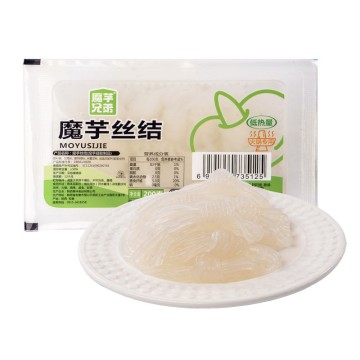
In the rapidly evolving dairy industry, manufacturers are constantly seeking innovative, natural, and health-conscious ingredients to enhance their products. Konjac vermicelli, derived from the konjac plant (Amorphophallus konjac), has emerged as a revolutionary thickening agent that is transforming dairy product formulations worldwide. This versatile ingredient offers exceptional functional properties while meeting consumer demands for clean-label, plant-based solutions.
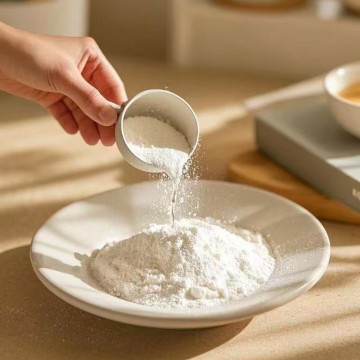
Konjac vermicelli contains glucomannan, a water-soluble dietary fiber with extraordinary thickening and gelling capabilities. When incorporated into dairy products, it creates superior texture, stability, and mouthfeel while reducing caloric content and enhancing nutritional profiles. The global dairy industry has witnessed a significant shift toward incorporating konjac-based ingredients, with market analysts projecting a compound annual growth rate (CAGR) of 8.5% through 2030 for konjac applications in food processing.
Konjac vermicelli offers unparalleled benefits for dairy manufacturers: exceptional water-binding capacity (up to 100 times its weight), thermal stability across processing temperatures, synergistic effects with other hydrocolloids, clean-label appeal, and cost-effectiveness compared to traditional thickeners. These properties make it an ideal choice for yogurt, cheese, ice cream, and cultured dairy products.
Konjac vermicelli improves yogurt texture, prevents syneresis, and creates a creamy mouthfeel without adding fat. It maintains stability throughout shelf life and enhances probiotic survival rates.
In processed cheese products, konjac provides excellent emulsification support, moisture retention, and slicing characteristics while reducing fat content by up to 30% without compromising texture.
Konjac vermicelli controls ice crystal formation, improves overrun, and creates smooth, creamy textures in reduced-fat and sugar-free ice cream formulations.
The integration of konjac vermicelli into dairy processing represents a paradigm shift in ingredient technology. Leading dairy manufacturers across Asia, Europe, and North America have adopted konjac-based solutions to address consumer trends toward healthier, plant-based, and functional foods.
The global konjac market for food applications reached $2.3 billion in 2024, with dairy applications accounting for approximately 18% of total consumption. Major dairy corporations including Danone, Nestlé, and Yili have incorporated konjac-based thickeners into their product portfolios. The Asia-Pacific region dominates consumption, representing 65% of global konjac utilization in dairy products.
Recent innovations in konjac processing have enhanced its functionality in dairy applications. Modified konjac glucomannan with improved dispersibility, thermal stability, and pH tolerance has expanded application possibilities. Microencapsulation technologies protect konjac's functional properties during high-temperature processing, enabling use in UHT dairy products.
Konjac cultivation requires minimal water and pesticides compared to conventional thickeners. Its carbon footprint is 40% lower than animal-derived gelatin and 25% lower than modified starches. Leading dairy brands leverage konjac's sustainability credentials to meet corporate environmental goals and consumer expectations.
Konjac glucomannan has received GRAS (Generally Recognized as Safe) status from the FDA and approval from EFSA, facilitating its widespread adoption in dairy manufacturing. Clean-label regulations in the EU and North America favor konjac over synthetic thickeners, driving market expansion.
Konjac vermicelli enables manufacturers to produce Greek-style yogurt without traditional straining processes, reducing production costs by 35% while maintaining authentic texture. Typical usage levels range from 0.2-0.5%, providing protein-like mouthfeel and preventing whey separation during refrigerated storage.
In cream cheese formulations, konjac improves spreadability, reduces fat content, and enhances moisture retention. Applications include reduced-fat cream cheese (30-50% fat reduction), flavored cheese spreads, and portion-controlled cheese products with extended shelf life.
Konjac provides suspension stability for fruit particles and prevents sedimentation in drinkable yogurt products. It creates desirable viscosity without excessive thickness, ensuring smooth pourability while maintaining mouthfeel. Usage levels of 0.1-0.3% optimize texture in beverage applications.
Beyond traditional ice cream, konjac excels in frozen yogurt, gelato, and dairy-based frozen novelties. It controls ice crystal growth during freeze-thaw cycles, improves scoop-ability, and maintains creamy texture in reduced-sugar formulations targeting health-conscious consumers.
Kefir, lassi, and other cultured dairy drinks benefit from konjac's stabilizing properties. It prevents phase separation, maintains uniform consistency, and protects probiotic cultures during shelf life. Konjac's prebiotic properties complement probiotic functionality, creating synbiotic dairy beverages.
Konjac creates firm yet tender gels in dairy puddings, panna cotta, and custards. It reduces cooking time, eliminates the need for eggs in some formulations, and provides heat-reversible gels that maintain texture across temperature variations. Clean-label dairy desserts leverage konjac as a natural alternative to modified starches.
Personalized Nutrition: Konjac-fortified dairy products targeting specific health conditions (diabetes management, weight control, digestive health) are emerging as major growth segments. Plant-Based Hybrids: Blended dairy-plant beverages utilize konjac to bridge texture gaps between traditional and alternative products. Functional Dairy: Incorporation of konjac with other functional ingredients (collagen, probiotics, vitamins) creates premium dairy products commanding higher margins. Clean-Label Innovation: Continued regulatory pressure and consumer preference for recognizable ingredients will accelerate konjac adoption in dairy manufacturing through 2030.
Shaanxi Jiwei Food Co., Ltd.

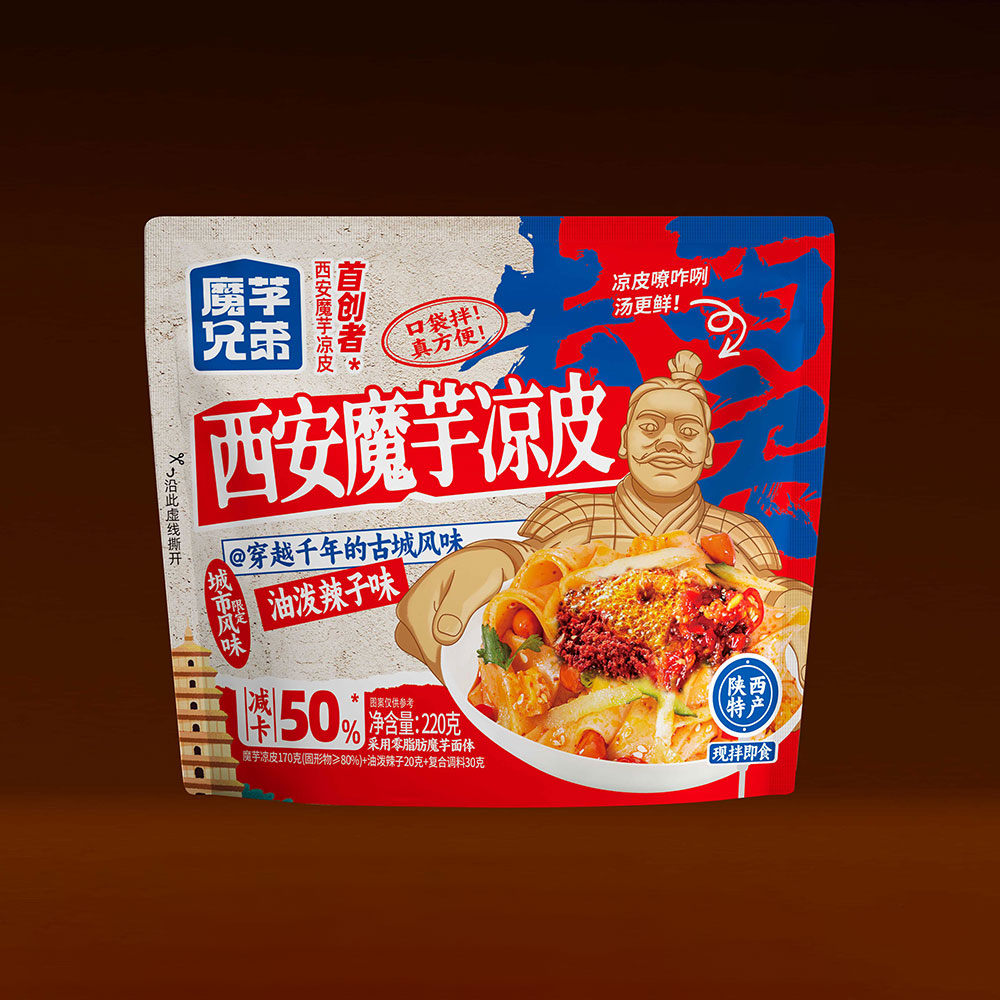
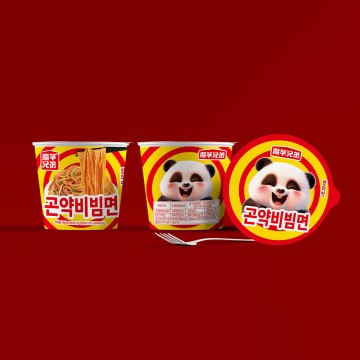
As a leading enterprise in the field of deep processing of konjac, the company has formed three core product systems: konjac snack foods, konjac catering ingredients and konjac convenience foods. Its products are sold well throughout the country and exported to overseas markets.
The company's brand "Konjac Brothers" adheres to the corporate mission of "developing the konjac industry and promoting scientific diet". Relying on its independently developed patented technology and advanced production system, it continuously develops innovative products that meet modern health needs.
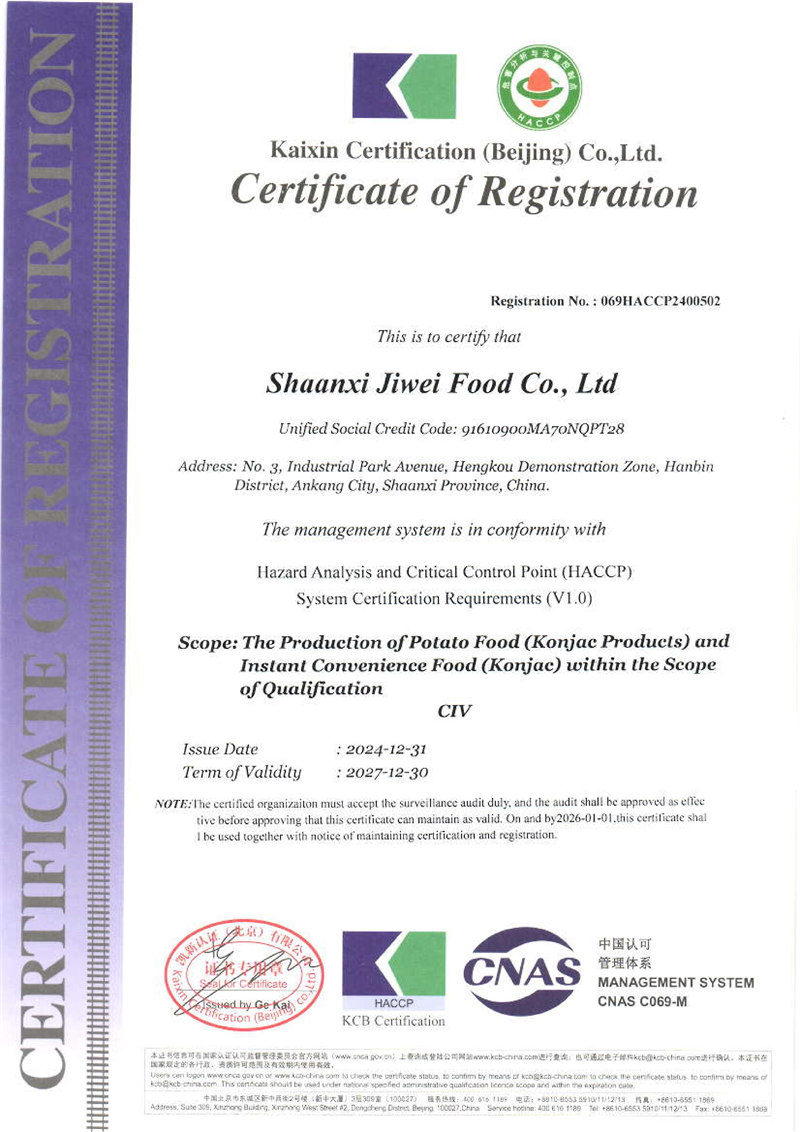
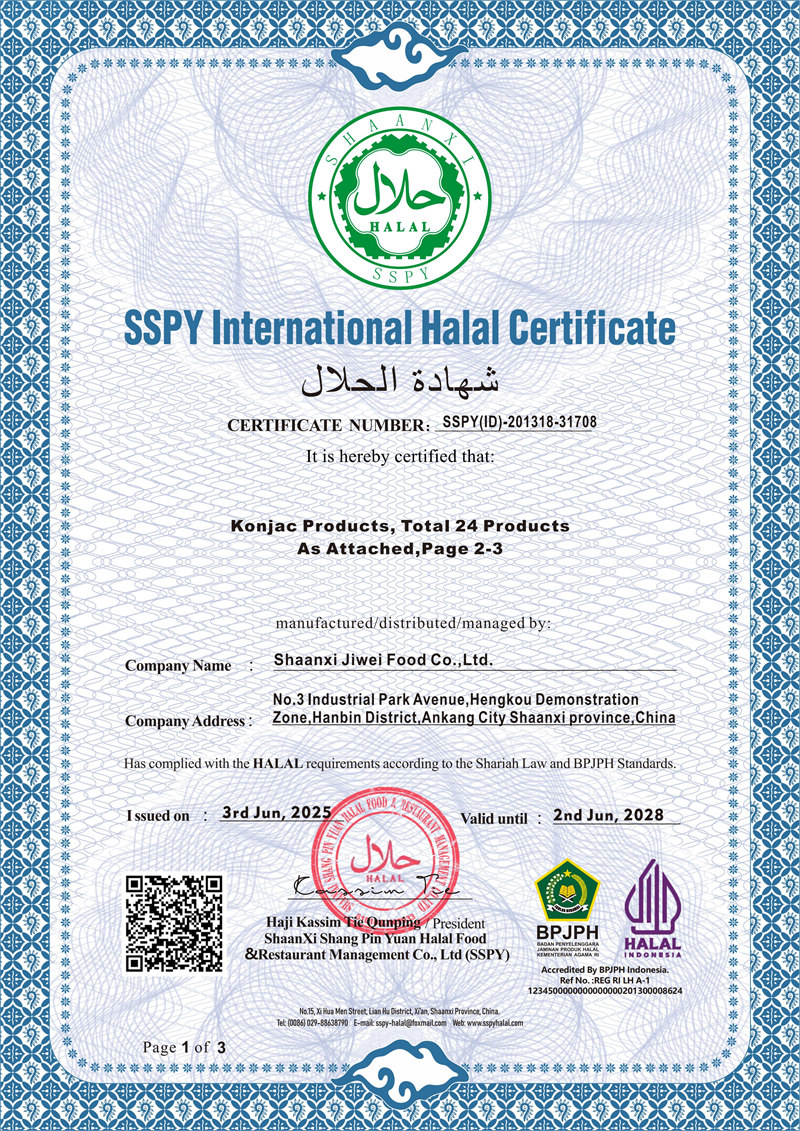
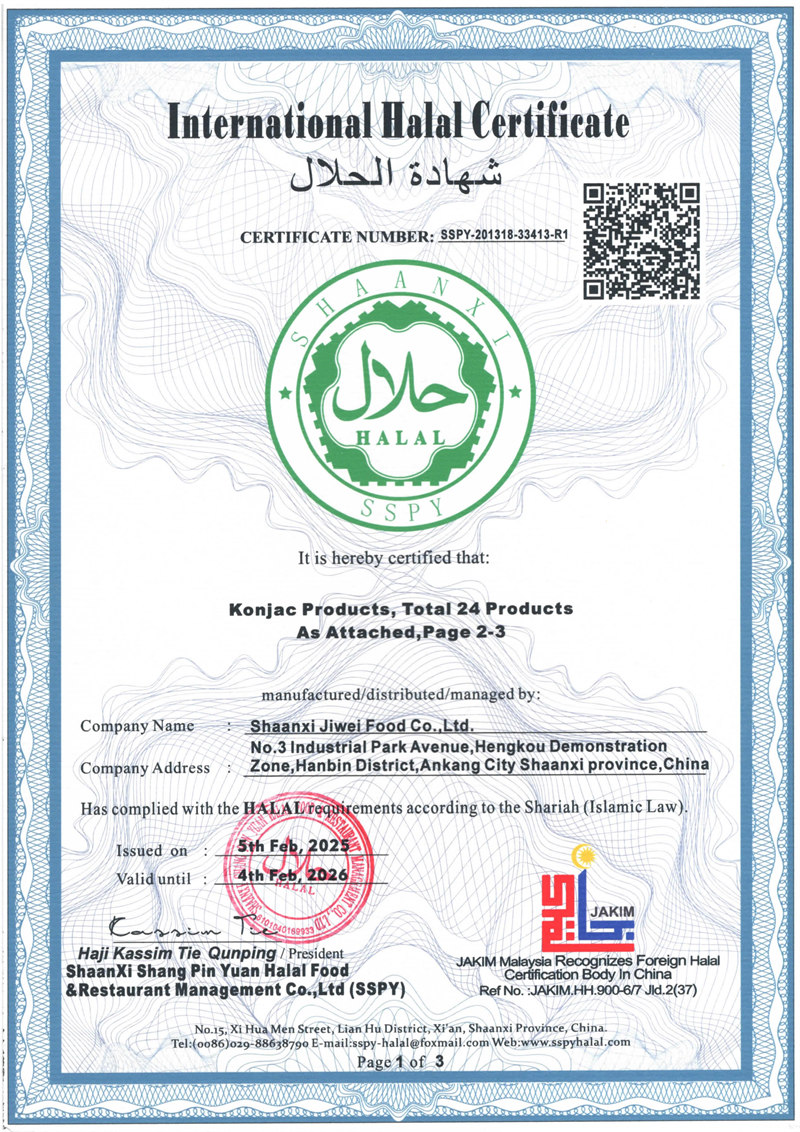
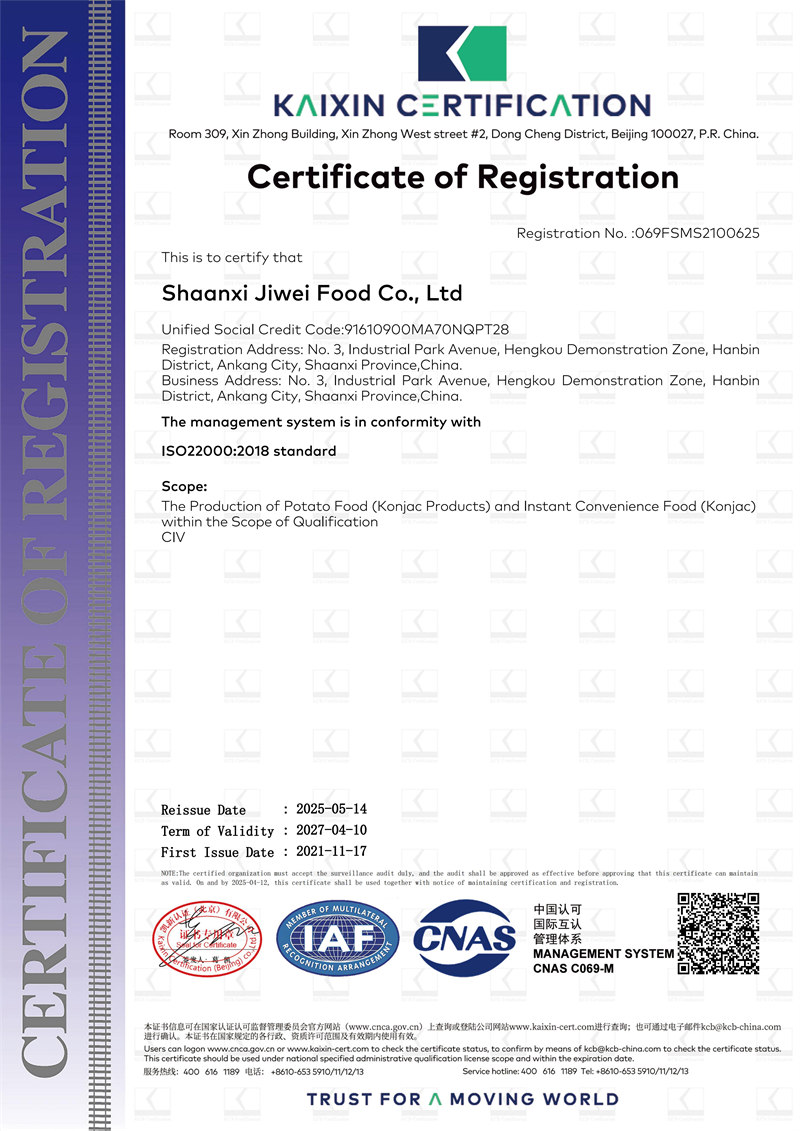
By establishing a three-in-one quality control system of "raw material traceability + process monitoring + finished product inspection", and strictly implementing international certification standards such as ISO22000, HALAL, and HACCP, we ensure quality assurance throughout the entire process from the source to the terminal.
——KONJAC BROTHERS
the product has been exported to countries such as South Korea, Malaysia, Thailand and Singapore.
It passed the Malaysia International Halal Certification and HACCP Certification;
Adeep cooperation was formed with Bai caowei, Opening the path of international enterprise cooperation;
We collaborated with UniPresident Group to develop konjac snacks, with an annual out put value of over 200 million yuan for leisure food;
It was awarded as a high-tech enterprise in Shaanxi Province;
The company obtained ISO 22000 certification;
In cooperation with Yuan qi company,the company truly Moved towards quality management;
The company's first box of Konjac Brothers products went offline. OnJune9,Konjakc Brothers entered the CRV an guard system in Shaanxi,and successively arrived in Chongqing,Henan and Hebei;