86+09153618258
Leave Your Message
-
Contact Phone
-
 Contact Email
The global diabetes epidemic has reached unprecedented levels, with the International Diabetes Federation reporting over 537 million adults living with diabetes worldwide as of 2024. This staggering statistic has catalyzed a revolution in dietary management strategies, positioning konjac zero noodles as a cornerstone of modern diabetic-friendly nutrition. These innovative noodles, derived from the konjac plant (Amorphophallus konjac), represent a paradigm shift in how individuals with diabetes can enjoy traditional comfort foods without compromising their blood glucose management.
Konjac zero noodles contain virtually zero net carbohydrates, making them an exceptional choice for diabetic diets. The primary component, glucomannan fiber, is a water-soluble dietary fiber that does not elevate blood sugar levels. With a glycemic index of zero, these noodles allow diabetic patients to experience the satisfaction of pasta-like meals without the typical post-meal glucose spikes associated with traditional wheat-based noodles.
The global konjac-based food market has experienced exponential growth, with the diabetic food segment driving significant demand. Market research indicates that the konjac noodles market is projected to reach USD 2.8 billion by 2028, growing at a CAGR of 8.7% from 2023. This growth trajectory is fueled by increasing diabetes prevalence, rising health consciousness, and the growing popularity of low-carb dietary patterns such as ketogenic and paleo diets.
North America and Europe represent the largest markets for diabetic-friendly konjac products, with the Asia-Pacific region showing the fastest growth rate. The United States alone has seen a 156% increase in konjac noodle sales over the past five years, driven by both diabetic consumers and health-conscious individuals seeking low-carb alternatives. Major retailers including Whole Foods, Walmart, and Costco have significantly expanded their konjac product offerings, reflecting mainstream market acceptance.
The food service industry has embraced konjac zero noodles as a versatile ingredient across multiple applications. Healthcare facilities, including hospitals and diabetes care centers, are increasingly incorporating konjac noodles into patient meal programs. Diabetic-specific meal delivery services have made konjac noodles a staple offering, with companies like Diet-to-Go and Nutrisystem featuring them prominently in their diabetic meal plans.
Restaurant chains specializing in healthy and diabetic-friendly cuisine have developed extensive menus featuring konjac noodles. Asian fusion restaurants have been particularly innovative, creating traditional dishes like pad thai, ramen, and stir-fries using konjac noodles as the base. This trend has expanded beyond specialty restaurants to mainstream chains, with several major quick-service restaurants testing konjac noodle options in select markets.
Recent technological innovations have significantly improved the texture, taste, and versatility of konjac zero noodles. Advanced processing techniques have addressed the traditional challenges of konjac noodles, including their characteristic odor and rubbery texture. Modern manufacturing processes employ multi-stage washing systems, enzymatic treatments, and precision extrusion technologies to create products that more closely mimic traditional pasta.
Hybrid formulations combining konjac with other diabetic-friendly ingredients like oat fiber, pea protein, and resistant starches have emerged as a major innovation trend. These hybrid products offer enhanced nutritional profiles while maintaining the low-carb, low-calorie benefits essential for diabetic diets. Some manufacturers have successfully developed konjac noodles fortified with vitamins, minerals, and omega-3 fatty acids, creating functional foods that address multiple nutritional needs of diabetic patients.
The medical community has increasingly recognized konjac zero noodles as a valuable tool in diabetes management. Multiple clinical studies have demonstrated the beneficial effects of glucomannan consumption on glycemic control. A 2023 meta-analysis published in the Journal of Diabetes Research found that regular consumption of glucomannan-rich foods was associated with significant reductions in fasting blood glucose levels and HbA1c values in Type 2 diabetic patients.
Registered dietitians and certified diabetes educators routinely recommend konjac noodles as part of comprehensive diabetes meal planning. The American Diabetes Association has acknowledged low-carb alternatives like konjac noodles as acceptable options within their dietary guidelines, particularly for individuals seeking to reduce carbohydrate intake while maintaining dietary satisfaction and adherence.
Consumer research reveals distinct market segments driving konjac noodle adoption. Primary consumers include diagnosed diabetics (both Type 1 and Type 2), pre-diabetic individuals, ketogenic diet followers, and general health-conscious consumers. The diabetic segment shows the highest purchase frequency and brand loyalty, with 68% of diabetic consumers who try konjac noodles becoming regular purchasers within three months.
Demographic analysis indicates strong adoption among millennials and Generation X consumers, who demonstrate greater willingness to experiment with alternative foods and prioritize health benefits. However, the fastest-growing demographic is the 55+ age group, correlating with increased diabetes diagnosis rates and heightened health awareness in this population.
The versatility of konjac zero noodles has inspired extensive recipe development specifically tailored for diabetic diets. Food bloggers, cookbook authors, and nutritionists have created thousands of diabetic-friendly recipes utilizing konjac noodles across various cuisines. Popular applications include Italian-style dishes (spaghetti with marinara, fettuccine alfredo), Asian preparations (lo mein, pho, pad see ew), and innovative fusion creations.
Meal prep culture has particularly embraced konjac noodles due to their convenience and shelf stability. Diabetic individuals following meal planning protocols can prepare multiple servings in advance, with konjac noodles maintaining their texture and quality when properly stored. This convenience factor has been instrumental in improving dietary adherence among diabetic patients who struggle with meal preparation time constraints.
The konjac food industry operates within a complex regulatory framework that varies by region. In the United States, the FDA recognizes konjac glucomannan as Generally Recognized as Safe (GRAS), though specific labeling requirements apply. European markets operate under EU food safety regulations, with konjac products requiring compliance with Novel Foods regulations in some jurisdictions.
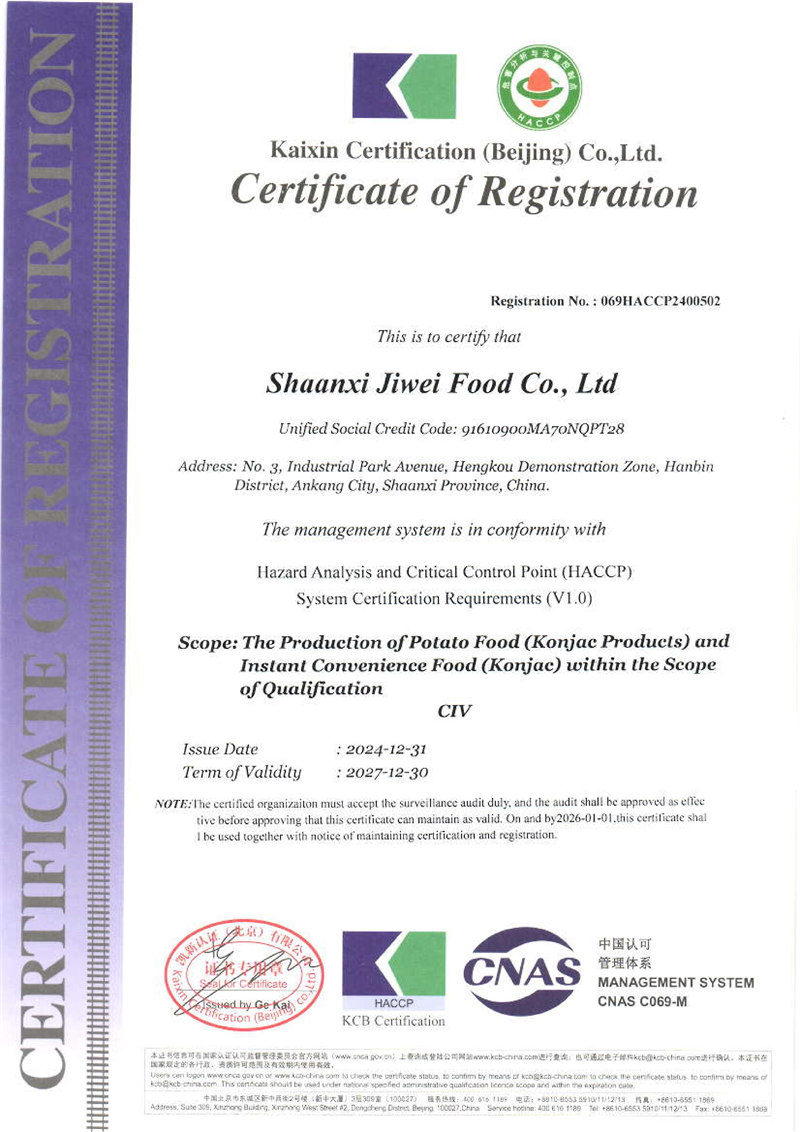
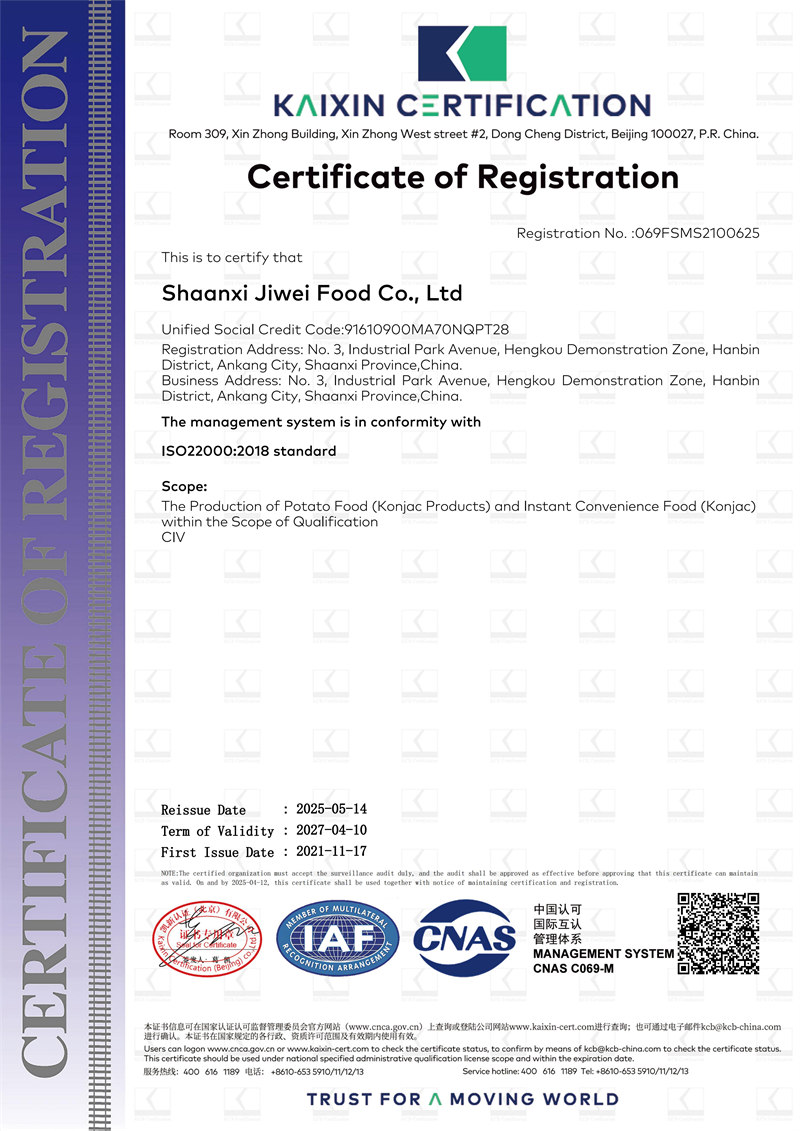
Quality certification has become increasingly important as the market expands. Leading manufacturers pursue certifications including ISO 22000, HACCP, organic certifications, and diabetic-specific endorsements from organizations like the Diabetes UK or similar national diabetes associations. These certifications provide consumer confidence and facilitate market access, particularly in healthcare and institutional settings.
The future of konjac zero noodles in diabetic nutrition appears exceptionally promising. Emerging trends include personalized nutrition applications, where konjac noodles are incorporated into individualized diabetic meal plans based on genetic profiles and glucose response patterns. Digital health integration, with smartphone apps tracking konjac noodle consumption alongside continuous glucose monitoring data, represents another frontier.
Sustainability considerations are increasingly influencing consumer choices, and konjac cultivation offers environmental advantages. The konjac plant requires minimal pesticides, grows efficiently in marginal soils, and produces high yields per acre. As consumers become more environmentally conscious, these sustainability attributes provide additional market differentiation beyond health benefits.
Research and development efforts continue to push boundaries, with scientists exploring konjac-based products fortified with diabetes-specific nutrients like chromium, alpha-lipoic acid, and specialized probiotic strains that support glucose metabolism. These functional food innovations could transform konjac noodles from simple carbohydrate substitutes into active therapeutic foods that support comprehensive diabetes management.
Shaanxi Jiwei Food Co., Ltd.

As a leading enterprise in the field of deep processing of konjac, the company has formed three core product systems: konjac snack foods, konjac catering ingredients and konjac convenience foods. Its products are sold well throughout the country and exported to overseas markets.
The company's brand "Konjac Brothers" adheres to the corporate mission of "developing the konjac industry and promoting scientific diet". Relying on its independently developed patented technology and advanced production system, it continuously develops innovative products that meet modern health needs.
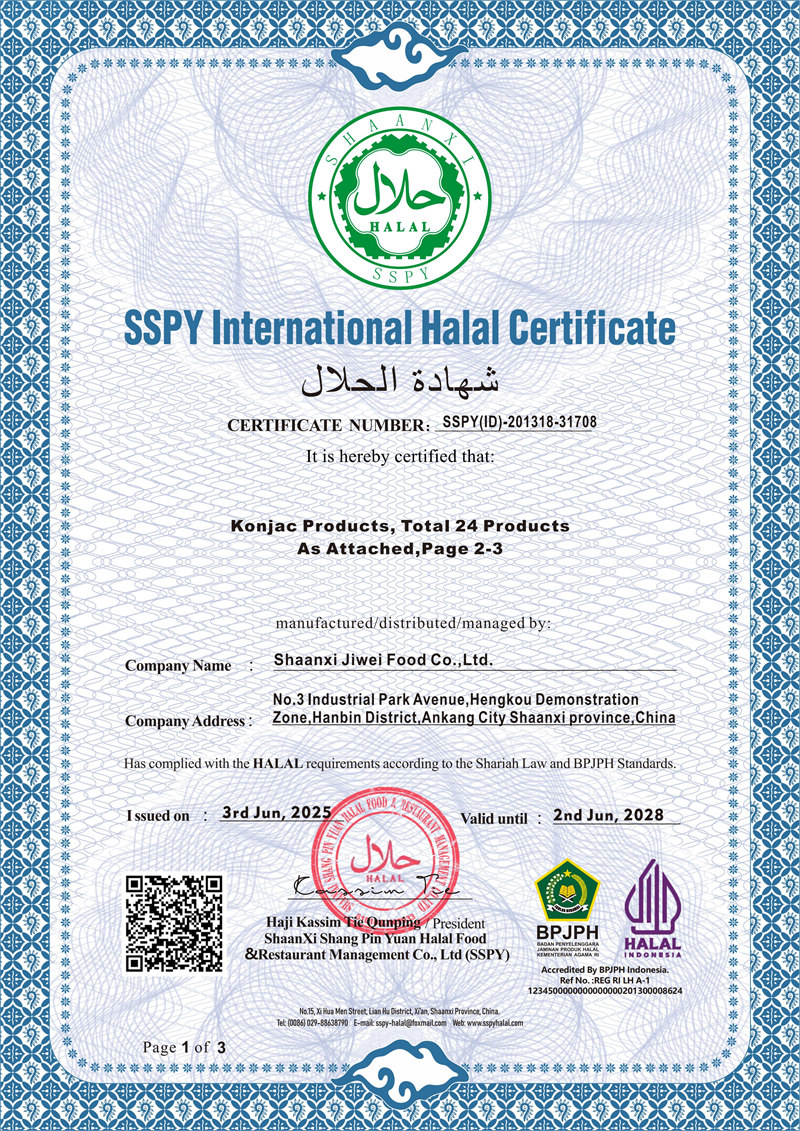
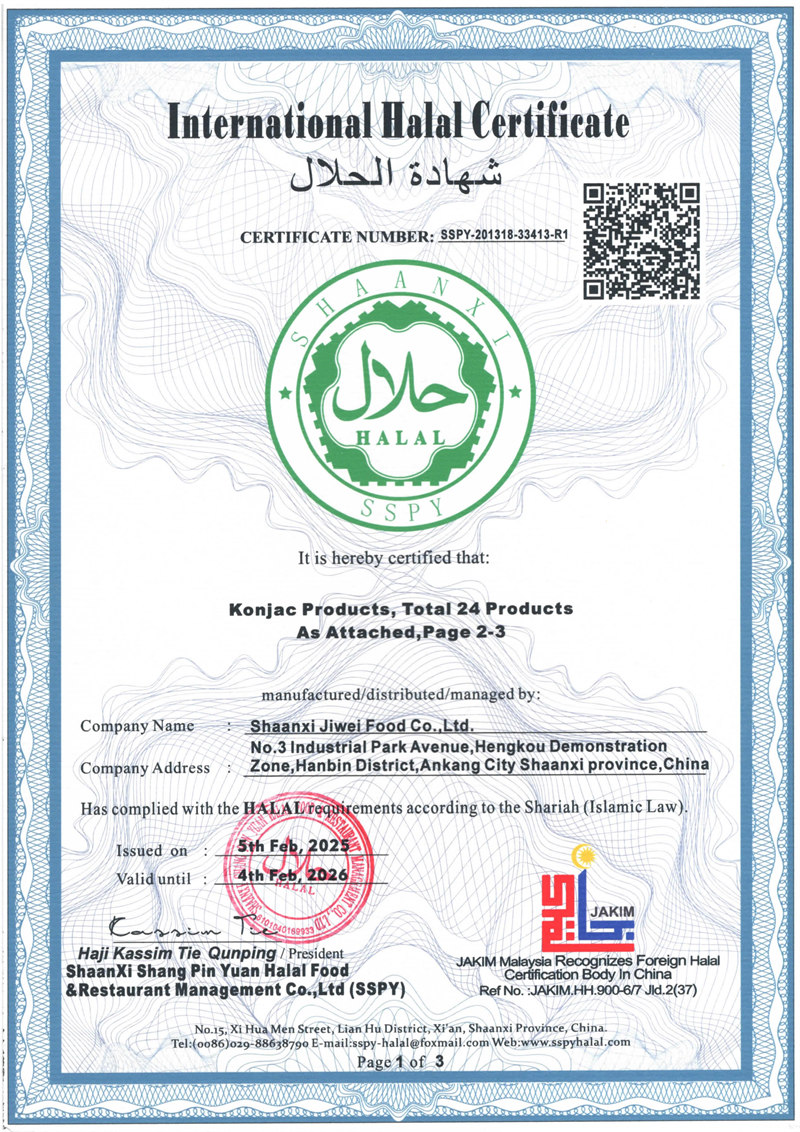
By establishing a three-in-one quality control system of "raw material traceability + process monitoring + finished product inspection", and strictly implementing international certification standards such as ISO22000, HALAL, and HACCP, we ensure quality assurance throughout the entire process from the source to the terminal.
——KONJAC BROTHERS