86+09153618258
Leave Your Message
-
Contact Phone
-
 Contact Email
Premium konjac-based solutions for optimal digestive health and nutritional supplementation
In the rapidly evolving landscape of functional foods and nutritional supplements, konjac zero noodles have emerged as a revolutionary dietary fiber solution that bridges the gap between traditional nutrition and modern health demands. Derived from the Amorphophallus konjac plant, these innovative noodles contain glucomannan, a highly viscous dietary fiber that offers exceptional health benefits while maintaining virtually zero net carbohydrates and minimal calories.
The global dietary fiber market is experiencing unprecedented growth, projected to reach $9.52 billion by 2028, with a compound annual growth rate (CAGR) of 9.2%. Within this expanding market, konjac-based products represent one of the fastest-growing segments, driven by increasing consumer awareness of gut health, weight management, and blood sugar regulation. Konjac zero noodles have positioned themselves at the intersection of multiple health trends: low-carb dieting, plant-based nutrition, functional foods, and digestive wellness.
What distinguishes konjac zero noodles from conventional dietary fiber supplements is their dual functionality. Unlike fiber powders or capsules that serve purely supplemental purposes, konjac noodles provide a satisfying, meal-replacement option that delivers substantial fiber content—typically 2-4 grams per serving—while maintaining the culinary experience consumers expect from traditional pasta or noodles. This unique positioning has made them particularly attractive to health-conscious consumers who refuse to compromise between nutrition and eating enjoyment.
Growing Obesity Epidemic: With over 650 million adults classified as obese globally, the demand for low-calorie, high-satiety foods has skyrocketed. Konjac zero noodles address this need by providing fullness with minimal caloric impact.
Diabetes Management: The glucomannan in konjac has demonstrated significant benefits in blood glucose regulation, making these noodles an essential tool for the 537 million adults living with diabetes worldwide.
Digestive Health Awareness: As research continues to unveil the critical importance of gut microbiome health, consumers are actively seeking prebiotic fiber sources—a role konjac glucomannan fulfills exceptionally well.
The konjac processing industry has undergone significant technological advancement over the past decade. Traditional konjac production was labor-intensive and limited in scale, but modern facilities now employ automated processing lines capable of producing thousands of tons annually. The manufacturing process involves several critical stages: konjac corm harvesting, washing and peeling, grinding and extraction, purification of glucomannan, alkaline coagulation, shaping, and sterilization.
China remains the dominant producer, accounting for approximately 65% of global konjac cultivation and processing, with Yunnan, Sichuan, and Guizhou provinces serving as primary production regions. However, production capacity is expanding internationally, with Japan, Korea, and increasingly Southeast Asian nations developing their own konjac processing capabilities. This geographic diversification is driven by both growing demand and the need for supply chain resilience.
The konjac zero noodles industry has developed sophisticated supply chain networks that connect agricultural producers with food manufacturers, supplement companies, and ultimately consumers through multiple channels. Raw material sourcing has become increasingly standardized, with quality certifications and traceability systems ensuring consistent glucomannan content and purity levels.
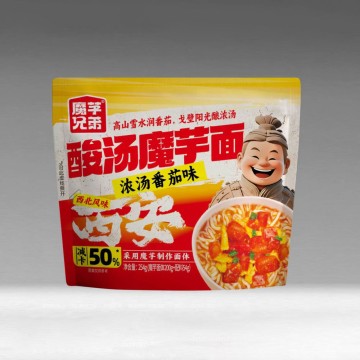
Major players in the industry have established vertical integration strategies, controlling everything from konjac cultivation to final product packaging. This approach ensures quality control, reduces costs, and enables rapid innovation in product formulations. Companies like Konjac Brothers exemplify this model, maintaining close relationships with konjac farmers while operating state-of-the-art processing facilities capable of producing diverse product lines.
Konjac zero noodles are increasingly incorporated into clinical nutrition protocols for patients requiring dietary fiber supplementation. Hospitals and medical facilities utilize these products for:
The fitness and weight loss sectors have enthusiastically adopted konjac zero noodles as a cornerstone product. Personal trainers, nutritionists, and weight loss clinics recommend these noodles because they:
Commercial weight loss programs, including subscription meal delivery services, have incorporated konjac noodles into their offerings. Companies report that meals featuring konjac noodles receive high satisfaction ratings while delivering the caloric deficits necessary for weight loss—typically 300-500 calories less than traditional pasta-based meals.
Progressive restaurants and food service operations are discovering konjac zero noodles' versatility in creating health-focused menu items without sacrificing culinary appeal. Applications include:
While konjac zero noodles function as food products, they increasingly appear in supplement company portfolios as "functional foods" that bridge nutrition and supplementation. This integration manifests in several ways:
Distribution channels for konjac zero noodles have expanded dramatically:
Primary consumer segments driving market growth:
The konjac zero noodles category is experiencing rapid innovation across multiple dimensions:
Texture Enhancement: Early konjac noodles faced criticism for their distinctive texture. Current R&D focuses on creating products that more closely mimic traditional wheat pasta through modified processing techniques, blended formulations with other plant fibers, and improved alkaline treatment protocols. Some manufacturers are achieving remarkable similarity to conventional noodles while maintaining the core nutritional benefits.
Flavor Infusion Technologies: Plain konjac noodles have a neutral taste, which while versatile, lacks inherent appeal. Innovative companies are developing flavor-infused varieties using natural extracts, herb integration, and fermentation techniques that impart taste without adding significant calories. Popular variants include garlic-herb, tomato-basil, and Asian-inspired flavors like miso and sesame.
Functional Enhancement: The next generation of konjac products incorporates additional functional ingredients. Examples include protein-enriched versions combining konjac with pea or soy protein, probiotic-enhanced noodles with encapsulated beneficial bacteria, mineral-fortified options addressing common deficiencies, and adaptogen-infused varieties targeting stress and energy.
Konjac cultivation and processing align remarkably well with sustainability imperatives that increasingly influence consumer purchasing decisions. Konjac plants require minimal pesticides, thrive in mountainous regions unsuitable for many crops, sequester significant carbon during growth, and utilize water-efficient cultivation methods. The processing of konjac into noodles generates minimal waste, with by-products often repurposed for animal feed or agricultural applications.
As environmental consciousness grows, these sustainability credentials provide significant competitive advantages. Marketing messaging increasingly emphasizes the low environmental footprint compared to animal-based proteins and even some plant alternatives that require more intensive agricultural inputs.
Regulatory frameworks governing konjac products are maturing globally. In the European Union, konjac glucomannan has received approved health claims related to weight management and cholesterol reduction, lending credibility to marketing messages. The United States FDA recognizes konjac as Generally Recognized as Safe (GRAS), though specific health claims require substantiation. Asian markets, particularly Japan and Korea, have well-established regulatory pathways for konjac products given their long cultural history.
Emerging regulations focus on safety standards for konjac products, particularly regarding choking hazards from improperly prepared products. Industry leaders are proactively developing safety guidelines, improved preparation instructions, and product formats that minimize risks while maintaining efficacy.
Several underexploited market segments present significant growth opportunities:
Smart Packaging: QR codes linking to preparation videos, nutritional tracking apps, and recipe databases enhance user experience and education.
Personalized Nutrition: DNA-based dietary recommendations increasingly include konjac products for individuals with genetic predispositions to metabolic conditions.
Blockchain Traceability: Premium brands implement blockchain systems allowing consumers to trace their konjac noodles from specific farms through processing to delivery.
The konjac zero noodles market is transitioning from fragmented competition among numerous small producers to increasing consolidation. Larger food corporations are acquiring successful konjac brands, bringing capital for scaling production and distribution. This consolidation brings both opportunities and challenges: improved availability and reduced prices benefit consumers, while smaller innovative producers face pressure to differentiate or partner with larger entities.
Strategic partnerships between konjac manufacturers and established food brands are accelerating market penetration. These collaborations leverage the distribution networks and brand recognition of major players while incorporating the specialized expertise of konjac producers. Recent examples include partnerships between konjac specialists and frozen food manufacturers, meal kit companies, and restaurant supply chains.
Despite robust growth, the konjac zero noodles industry faces several challenges requiring strategic responses:
Consumer Education: Many potential consumers remain unfamiliar with konjac or hold misconceptions about preparation and taste. Industry associations and leading brands are investing in educational campaigns, cooking demonstrations, and influencer partnerships to address these knowledge gaps.
Price Competitiveness: Konjac noodles typically cost more than conventional pasta, creating price sensitivity particularly in mainstream markets. Manufacturers are addressing this through production efficiencies, economies of scale, and value-focused messaging emphasizing health benefits and satiety that justify premium pricing.
Supply Chain Vulnerabilities: Concentration of konjac cultivation in specific Chinese provinces creates supply risks from weather events, policy changes, or geopolitical factors. Industry responses include diversifying cultivation regions, developing alternative fiber sources with similar properties, and maintaining strategic inventory reserves.
Comprehensive solutions for dietary fiber supplement development and distribution
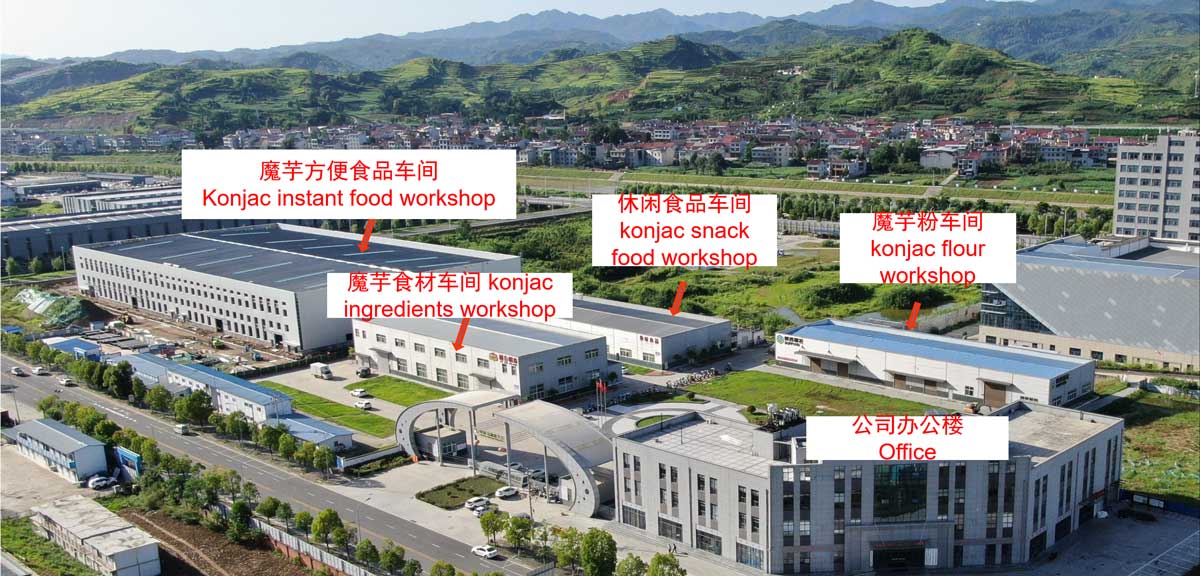
We offer full-process customized services from product design, R&D to manufacturing. We support customers to independently define product formulas, specifications, packaging and process flows according to their own needs, and we are responsible for production implementation to help customers create exclusive branded products.

We provide one-stop professional foreign trade export services, covering customs declaration, inspection, international logistics, document processing and other full-link services. We support two trade terms: FOB (Free On Board) and CIF (Cost, Insurance and Freight), and offer various international freight solutions such as door-to-port and port-to-port to ensure safe and on-time delivery of goods to global destinations.

We carry out joint R&D cooperation with enterprises in different industries, integrating the technical, resource and market advantages of both parties to jointly develop innovative products. Focusing on the fields of healthy food and functional ingredients, we create differentiated products that meet new market demands through cross-border technology integration and formula innovation.

We provide full-link support for brand marketing and communication, including market research, brand positioning, content planning, and online & offline promotion planning. Combining industry trends with customer brand characteristics, we develop precise promotion strategies to enhance product visibility and market share.
Explore our comprehensive selection of konjac-based dietary fiber solutions