 86+09153618258
Leave Your Message
-
Contact Phone
-
 Contact Email
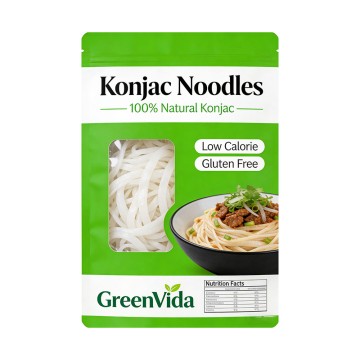
Low-calorie konjac noodles have emerged as a revolutionary dietary solution for individuals managing diabetes. Derived from the konjac plant (Amorphophallus konjac), these noodles contain glucomannan, a water-soluble dietary fiber that offers exceptional benefits for blood sugar control. With virtually zero net carbohydrates and minimal calories (typically 5-10 calories per 100g serving), konjac noodles provide a pasta alternative that doesn't trigger significant glucose spikes.
The glucomannan fiber in konjac noodles slows down the digestion process, leading to a more gradual release of glucose into the bloodstream. This mechanism is particularly beneficial for diabetic patients who must carefully monitor their glycemic response to foods. Clinical studies have demonstrated that glucomannan consumption can improve glycemic control and insulin sensitivity, making konjac noodles not just a passive substitute but an active component in diabetes management strategies.
Furthermore, konjac noodles offer exceptional satiety despite their low caloric content. This characteristic helps diabetic individuals maintain healthy body weight—a critical factor in diabetes management—without experiencing the hunger and cravings often associated with calorie-restricted diets. The unique gel-forming properties of glucomannan create a feeling of fullness that extends several hours beyond consumption.
Zero Net Carbs: Perfect for ketogenic and low-carb diabetic diets | High Fiber Content: 3-4g per serving supports digestive health | Low Glycemic Index: Minimal impact on blood sugar levels | Calorie-Free: Supports weight management without sacrifice
The global konjac products market has experienced remarkable expansion, with the diabetic-friendly food segment driving substantial growth. Market research indicates that the konjac noodles sector is projected to reach USD 3.8 billion by 2028, growing at a CAGR of 8.7% from 2023. This growth is primarily fueled by the increasing prevalence of diabetes worldwide—currently affecting over 537 million adults globally—and heightened consumer awareness regarding dietary management of the condition.
North America and Europe represent the largest markets for low-calorie konjac noodles, with the Asia-Pacific region showing the fastest growth rate. In the United States alone, the diabetic population has surpassed 37 million, creating a massive consumer base actively seeking suitable food alternatives. The market penetration of konjac noodles in mainstream retail channels has increased by 340% over the past five years, transitioning from specialty health food stores to major supermarket chains and online platforms.
The commercial landscape features both established food manufacturers diversifying their product portfolios and specialized konjac producers scaling operations. Major food corporations have begun acquiring konjac product companies or developing in-house capabilities to capture market share. Meanwhile, the B2B segment is flourishing, with food service providers, hospitals, and diabetes care centers incorporating konjac noodles into their meal programs.
Several transformative trends are reshaping the konjac noodles industry for diabetic-friendly applications. Functional fortification represents a significant development, with manufacturers enriching konjac noodles with additional nutrients beneficial for diabetic health—including chromium, magnesium, omega-3 fatty acids, and protein isolates. These enhanced formulations address multiple nutritional needs simultaneously, creating comprehensive dietary solutions rather than simple carbohydrate substitutes.
Personalized nutrition is another frontier gaining momentum. Companies are developing konjac noodle products tailored to specific diabetic profiles—Type 1 versus Type 2, different medication regimens, and varying activity levels. This customization extends to portion-controlled packaging with integrated tracking systems that connect to diabetes management apps, enabling users to monitor their dietary intake with unprecedented precision.
Sustainability considerations are increasingly influencing production methodologies. Konjac cultivation requires minimal agricultural inputs and has a low environmental footprint compared to traditional grain crops. Forward-thinking manufacturers are emphasizing these ecological benefits in their marketing while implementing circular economy principles in processing—utilizing konjac byproducts for animal feed, bioplastics, and cosmetic ingredients.
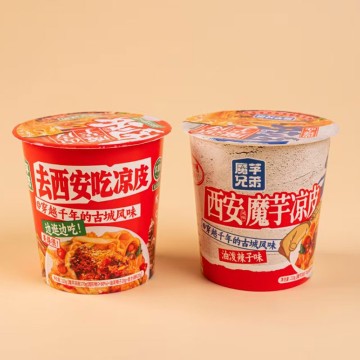
The ready-to-eat (RTE) segment is experiencing explosive growth, with instant konjac noodle cups and bowls designed specifically for diabetic consumers. These products feature carefully formulated sauce packets with controlled sodium, sugar-free sweeteners, and balanced macronutrient profiles. The convenience factor addresses a critical need among diabetic individuals who require quick meal solutions that don't compromise their dietary requirements.
Healthcare institutions are increasingly incorporating konjac noodles into diabetes management programs. Hospital dietitians utilize these products in patient meal plans, particularly for newly diagnosed diabetics learning to navigate dietary restrictions. The educational value is significant—patients can maintain familiar eating patterns (pasta dishes, noodle soups) while adhering to therapeutic nutritional guidelines.
Diabetes education centers employ konjac noodles in cooking classes and meal preparation workshops. These hands-on sessions demonstrate practical integration of low-calorie alternatives into everyday cooking, addressing a common barrier to dietary compliance. Participants learn to prepare traditional recipes with konjac substitutions, discovering that diabetes management doesn't require abandoning cultural food preferences.
Clinical research settings utilize standardized konjac noodle products in dietary intervention studies. The consistent nutritional profile and minimal caloric content make them ideal for controlled trials examining the relationship between fiber intake, glycemic control, and metabolic outcomes. Emerging evidence from these studies continues to validate the therapeutic potential of glucomannan-rich foods in comprehensive diabetes care.
The food service industry has recognized the commercial opportunity in diabetic-friendly menu offerings. Progressive restaurants now feature konjac noodle dishes prominently, catering to the growing demographic of health-conscious diners. These establishments often highlight the nutritional benefits on menus, appealing not only to diabetic customers but also to those pursuing weight management and general wellness.
Fast-casual chains are developing entire menu sections around konjac-based items. Build-your-own bowl concepts allow customers to customize their meals with konjac noodles as the base, selecting from diabetic-appropriate toppings and sauces. This model provides flexibility while maintaining nutritional control—a winning combination for both operators and consumers.
Institutional food services—including corporate cafeterias, universities, and senior living facilities—are incorporating konjac noodles into rotation menus. These settings serve populations with varying dietary needs, and konjac products offer a versatile solution that accommodates multiple requirements simultaneously: low-calorie, gluten-free, vegan, and diabetic-friendly.
For home cooks managing diabetes, konjac noodles have become pantry staples. The long shelf life of packaged konjac products (typically 12-18 months) makes them convenient for meal planning without frequent shopping trips. Home chefs appreciate the versatility—konjac noodles adapt to virtually any cuisine style, from Italian pasta dishes to Asian stir-fries to cold salad preparations.
Meal prep enthusiasts in the diabetic community utilize konjac noodles extensively. The products withstand refrigeration and reheating well, maintaining texture better than many traditional pasta alternatives. Batch cooking with konjac noodles enables diabetic individuals to prepare multiple meals at once, ensuring consistent dietary adherence even during busy periods.
Family meal dynamics benefit from konjac noodle integration. Rather than preparing separate meals for diabetic family members, households can serve konjac-based dishes that everyone enjoys. This inclusive approach reduces the psychological burden of diabetes management and normalizes healthy eating patterns for all family members, potentially preventing diabetes development in at-risk individuals.
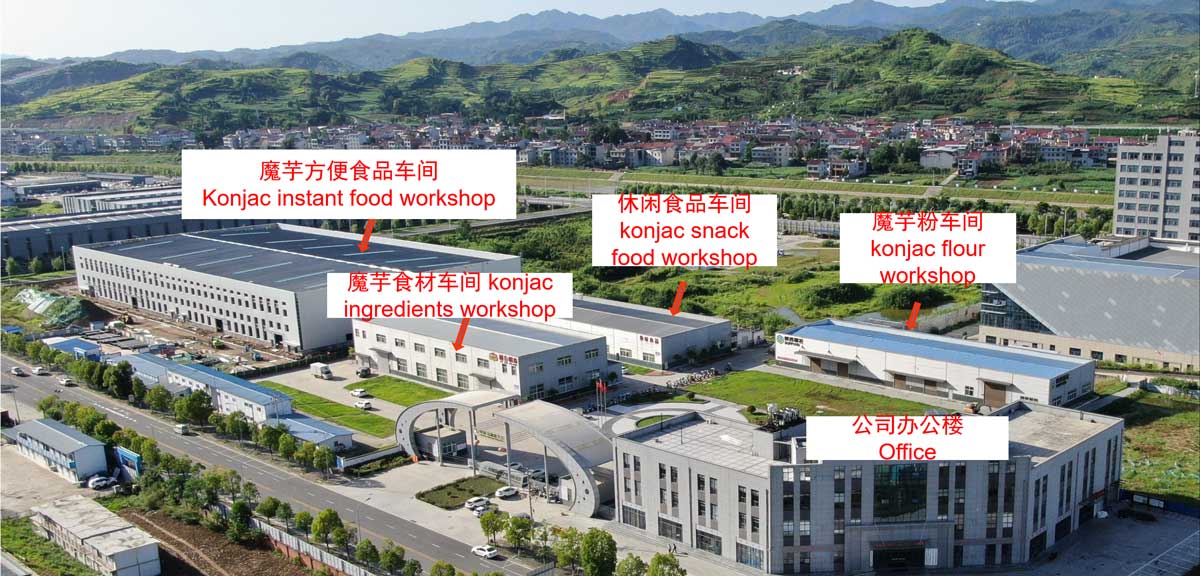
We offer full-process customized services from product design, R&D to manufacturing specifically tailored for diabetic-friendly konjac noodle products. We support customers to independently define product formulas, specifications, packaging and process flows according to their diabetic consumer needs, and we are responsible for production implementation to help customers create exclusive branded products that meet stringent nutritional requirements for blood sugar management.

We provide one-stop professional foreign trade export services for diabetic-friendly konjac products, covering customs declaration, inspection, international logistics, document processing and other full-link services. We support two trade terms: FOB (Free On Board) and CIF (Cost, Insurance and Freight), and offer various international freight solutions such as door-to-port and port-to-port to ensure safe and on-time delivery of goods to global destinations.

We carry out joint R&D cooperation with enterprises in healthcare, nutrition, and food industries, integrating the technical, resource and market advantages of both parties to jointly develop innovative diabetic-friendly konjac products. Focusing on the fields of healthy food and functional ingredients for blood sugar management, we create differentiated products that meet new market demands through cross-border technology integration and formula innovation.

We provide full-link support for brand marketing and communication in the diabetic-friendly food sector, including market research, brand positioning, content planning, and online & offline promotion planning. Combining industry trends with customer brand characteristics, we develop precise promotion strategies to enhance product visibility and market share in the rapidly growing diabetes management nutrition market.
Extensive scientific research validates the benefits of konjac glucomannan for diabetic individuals. A meta-analysis of 14 randomized controlled trials published in the American Journal of Clinical Nutrition demonstrated that glucomannan supplementation significantly reduced fasting blood glucose levels and improved HbA1c values—the gold standard marker for long-term glycemic control. The effect size was comparable to some pharmaceutical interventions, highlighting the therapeutic potential of dietary approaches.
The mechanism of action involves multiple pathways. Glucomannan forms a viscous gel in the digestive tract, physically slowing the absorption of glucose and reducing postprandial blood sugar spikes. Additionally, the fermentation of glucomannan by gut bacteria produces short-chain fatty acids, which enhance insulin sensitivity and promote favorable metabolic responses. This prebiotic effect contributes to improved gut health—increasingly recognized as a critical factor in diabetes management.
Weight management benefits further support diabetic health outcomes. Clinical trials have shown that regular consumption of konjac products leads to modest but significant weight loss, even without caloric restriction. For Type 2 diabetics, weight reduction of just 5-10% can substantially improve glycemic control, reduce medication requirements, and decrease cardiovascular risk factors.
Cholesterol Reduction: Glucomannan lowers LDL cholesterol by 10-15% | Blood Pressure Support: Contributes to modest reductions in systolic pressure | Digestive Health: Promotes regular bowel movements and healthy gut microbiome | Satiety Enhancement: Reduces overall caloric intake through prolonged fullness
The production of high-quality diabetic-friendly konjac noodles requires sophisticated manufacturing processes. Premium producers source konjac corms from controlled agricultural environments, ensuring consistent glucomannan content and purity. The processing involves precise grinding, purification, and alkaline treatment to achieve optimal texture and nutritional properties.
Quality control measures are particularly stringent for products marketed to diabetic consumers. Third-party laboratory testing verifies nutritional claims, confirms absence of added sugars, and screens for contaminants. Reputable manufacturers maintain certifications including ISO 22000 (food safety management), HACCP (hazard analysis), and organic certifications where applicable.
Innovation in texture improvement has been a major focus area. Traditional konjac noodles had a distinctive rubbery texture that limited consumer acceptance. Modern processing techniques—including enzyme treatments, freeze-thaw cycles, and blending with complementary ingredients—have produced konjac noodles with more palatable, pasta-like textures that appeal to mainstream consumers.
Consumer research reveals distinct purchasing patterns among diabetic individuals seeking konjac noodles. Primary motivations include blood sugar management (cited by 87% of buyers), weight control (72%), and dietary variety (64%). Interestingly, taste and texture have become increasingly important factors, with 58% of consumers indicating they would not repurchase products that don't meet palatability expectations—regardless of health benefits.
Price sensitivity varies by market segment. Newly diagnosed diabetics often prioritize effectiveness over cost, willing to pay premium prices for products with strong clinical backing. Long-term diabetics tend to be more price-conscious, seeking value options as konjac noodles become regular pantry items. This dynamic has led to market segmentation with premium, mid-range, and economy product tiers.
Digital engagement plays a crucial role in consumer decision-making. Online reviews, diabetes community forums, and social media testimonials significantly influence purchase behavior. Brands that actively engage with diabetic communities, provide educational content, and share user success stories achieve higher conversion rates and customer loyalty.
Regional preferences and regulatory environments create distinct market characteristics. In Asian markets, particularly Japan and China, konjac has traditional culinary acceptance, facilitating easier market penetration. Western markets initially faced consumer education challenges but have shown rapid adoption as awareness grows.
Regulatory frameworks vary significantly. The European Union classifies konjac as a novel food with specific labeling requirements. The United States FDA recognizes glucomannan as GRAS (Generally Recognized As Safe), allowing broader marketing claims. These regulatory differences influence product formulations, packaging, and marketing strategies across regions.
Cultural adaptation of product offerings proves essential for success. Mediterranean markets respond well to konjac products positioned as pasta alternatives with Italian-style preparations. Asian markets prefer traditional noodle formats compatible with regional cuisines. North American markets show strong interest in ready-to-eat convenience formats that fit busy lifestyles.