
 86+09153618258
Leave Your Message
-
Contact Phone
-
 Contact Email
From instant cups to bulk raw materials — our konjac product range is engineered for halal market compliance, clean-label demands, and global retail channels.
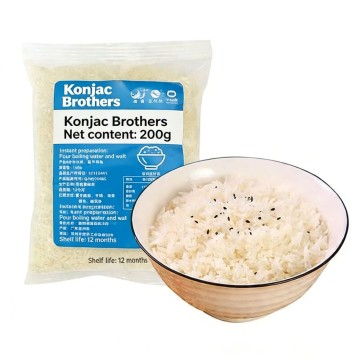

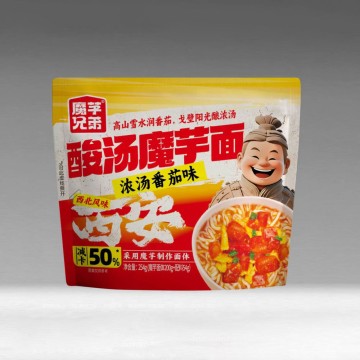
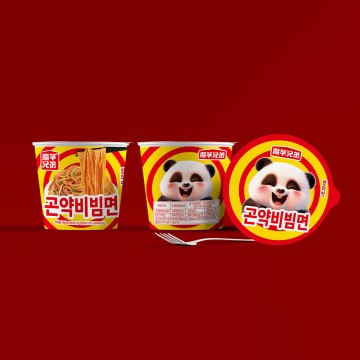
Konjac noodles — also known as shirataki noodles — are produced from the root of the Amorphophallus konjac plant, a perennial crop native to East and Southeast Asia. The primary active component is glucomannan, a water-soluble dietary fiber that forms a gel-like matrix when hydrated. This unique structure gives konjac noodles their signature translucent appearance and chewy texture while delivering near-zero caloric content.
For the halal food market, konjac noodles offer an exceptional alignment of values: they are 100% plant-derived, contain no animal by-products, and are free from alcohol-based additives — making halal certification straightforward and cost-effective for manufacturers. Their clean ingredient profile resonates deeply with Muslim consumers who prioritize both spiritual compliance and health-conscious eating.
Derived entirely from the konjac root — no animal derivatives, no hidden non-halal ingredients at any stage of production.
Our manufacturing facilities and ingredient sourcing are structured to support major international halal certification bodies including MUI, JAKIM, and ESMA.
Glucomannan is recognized by the European Food Safety Authority (EFSA) for its role in maintaining normal blood cholesterol levels and contributing to weight management.
Advanced wet-extrusion and retort processing technologies enable consistent large-batch output with extended shelf life — ideal for global halal distribution networks.
The intersection of the global halal food industry and the functional food boom is creating unprecedented commercial opportunities for low-calorie konjac noodle manufacturers and exporters.
The global halal food and beverage market exceeded USD 2.3 trillion in 2023 and is projected to surpass USD 3.9 trillion by 2030, growing at a CAGR of approximately 7.5%. Within this, the healthy snack and instant noodle subcategory is among the fastest-growing segments.
Indonesia, Malaysia, and the Philippines collectively represent the world's largest halal consumer base. Indonesian instant noodle consumption alone exceeds 14 billion servings annually — a market ripe for low-calorie konjac alternatives targeting health-aware Muslim millennials.
Konjac noodles have successfully entered major halal retail chains, specialty health stores, and e-commerce platforms across the Middle East, Southeast Asia, and Europe. Private-label halal konjac products are now appearing in Carrefour, Lulu Hypermarket, and regional Islamic supermarkets.
The industrial production of halal-certified konjac noodles has undergone significant technological evolution over the past decade. Modern konjac processing plants now integrate automated glucomannan extraction lines, precision pH-control systems for alkaline coagulation, and aseptic retort packaging — all of which can be operated within halal-compliant facility frameworks.
Chinese manufacturers, who account for over 70% of global konjac raw material supply, have accelerated investments in halal production lines, third-party halal auditing programs, and dedicated halal zones within multi-product facilities. This industrial infrastructure positions China-origin konjac noodles as the most cost-competitive halal option globally.
Furthermore, the rise of co-manufacturing and OEM partnerships between Chinese konjac producers and Southeast Asian, Middle Eastern, and European halal food brands has created a sophisticated B2B ecosystem — enabling rapid market entry for new halal konjac SKUs with minimal capital investment.
Six macro-trends are converging to accelerate the adoption of low-calorie konjac noodles across global halal food channels.
Muslim consumers are increasingly health-literate, driving demand for halal products that also deliver functional benefits. Konjac noodles — with their fiber-rich, low-glycemic profile — perfectly bridge the halal compliance and wellness gap, fueling double-digit growth in health-focused halal SKUs.
R&D teams are innovating beyond plain glucomannan noodles by blending konjac with plant proteins (pea, soy, mung bean) to create high-protein, low-calorie halal noodles. These hybrid formulations address the nutritional gap in traditional konjac products and command premium pricing in halal health food segments.
The explosive growth of halal e-commerce platforms — Shopee, Lazada, Amazon Halal stores, and regional platforms like Tokopedia — has lowered the barrier for konjac noodle brands to reach Muslim consumers directly. Social commerce and influencer marketing within Muslim communities are proving highly effective conversion channels.
Konjac noodles blended with highland barley, green bean flour, and other superfoods are gaining traction as "better-for-you" halal products. These multi-ingredient formulations align with the clean-label trend and allow brands to communicate richer nutritional stories to health-conscious halal shoppers.
Halal consumers increasingly align with broader ethical values including environmental sustainability. Konjac cultivation — requiring minimal pesticides, no animal inputs, and low water consumption — positions konjac noodles as a naturally sustainable halal food choice, resonating with eco-conscious Muslim millennials and Gen Z consumers.
International halal standards bodies are working toward greater harmonization (OIC/SMIIC, ASEAN Halal Framework), reducing certification complexity for multi-market konjac noodle exporters. This regulatory convergence will accelerate cross-border halal trade and lower compliance costs for manufacturers targeting multiple Muslim-majority markets simultaneously.
With 1.9 billion Muslim consumers globally — and a halal food market growing 2x faster than the conventional food market — konjac noodle brands that invest in halal certification, culturally relevant flavors, and compliant supply chains today are positioning themselves for decade-long competitive advantages in the world's most dynamic food market segment.
Partner With Us TodayBeyond the retail shelf — low-calorie halal konjac noodles are unlocking value across a diverse range of commercial, foodservice, and institutional applications.
The most established channel — cup and pouch-format halal konjac instant noodles targeting convenience-driven Muslim consumers in Southeast Asia, the Middle East, and diaspora markets in Europe and North America. Flavor profiles are localized (e.g., rendang, tom yum, shawarma spice) to maximize cultural resonance while maintaining full halal compliance.
Halal-certified konjac noodles in bulk formats are increasingly adopted by halal restaurants, cloud kitchens, and catering companies as a low-calorie pasta and noodle substitute. The neutral flavor and adaptable texture make them ideal for diverse cuisines — from Malaysian laksa to Middle Eastern fusion dishes — without compromising halal integrity.
Healthcare providers and dietitians serving Muslim patients are recommending halal konjac noodles as part of structured weight management, diabetic diet, and metabolic syndrome programs. The glucomannan fiber's clinically proven effects on glycemic control and satiety make halal konjac noodles a medically credible dietary tool within Islamic healthcare frameworks.
The Ramadan fasting period creates unique demand for low-calorie, high-fiber foods that support healthy iftar and suhoor meals. Halal konjac noodles — marketed as "light yet satisfying" options — are gaining traction as Ramadan-edition products, with brands developing special packaging, gift sets, and bundled meal kits for the holy month.
Muslim athletes and fitness enthusiasts represent a growing niche for halal functional foods. Protein-enhanced konjac noodles — combining glucomannan fiber with halal-certified plant protein — are positioned as pre/post-workout meal options that support lean muscle maintenance and weight control, addressing an underserved segment in the halal sports nutrition market.
Major halal food distributors, supermarket chains, and health food brands across Southeast Asia, the Gulf Cooperation Council (GCC), and Europe are sourcing halal konjac noodles on an OEM basis to launch private-label products. This B2B channel offers the highest volume potential and deepest supply chain integration for konjac manufacturers with robust halal credentials.
From custom formulation to global export logistics — we deliver comprehensive services that empower halal food brands to bring low-calorie konjac noodle products to market efficiently and compliantly.
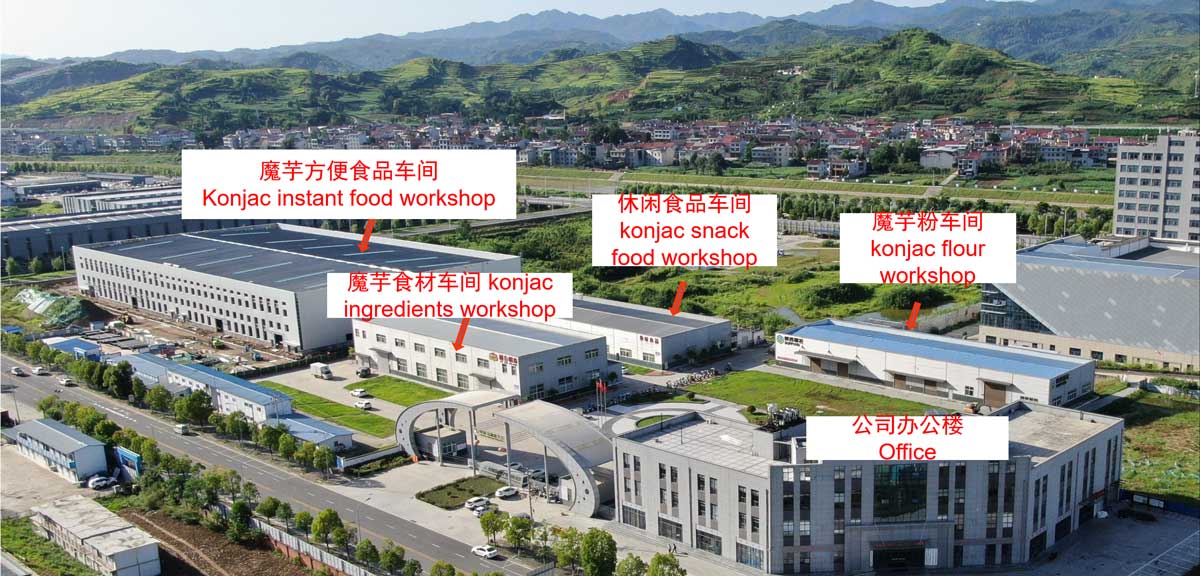
We offer full-process customized services from product design, R&D to manufacturing. We support customers to independently define product formulas, specifications, packaging and process flows according to their own needs, and we are responsible for production implementation to help customers create exclusive branded products. Our halal OEM capability covers flavor customization, halal-compliant ingredient sourcing, and certified packaging solutions tailored for Muslim-majority markets.
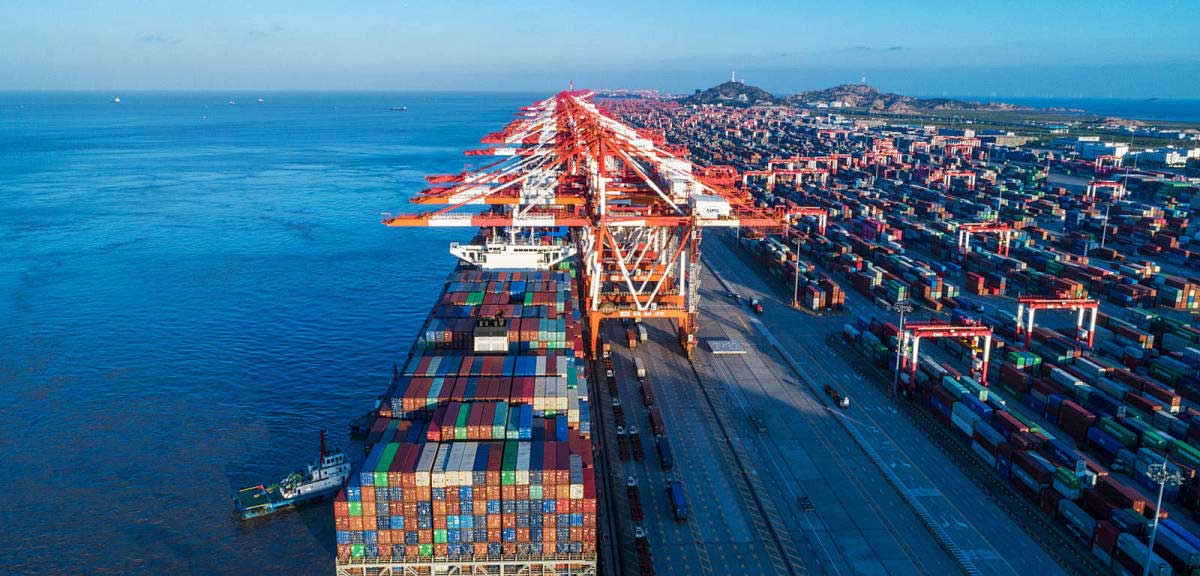
We provide one-stop professional foreign trade export services, covering customs declaration, inspection, international logistics, document processing and other full-link services. We support two trade terms: FOB (Free On Board) and CIF (Cost, Insurance and Freight), and offer various international freight solutions such as door-to-port and port-to-port to ensure safe and on-time delivery of goods to global halal market destinations including Southeast Asia, the Middle East, and Europe.

We carry out joint R&D cooperation with enterprises in different industries, integrating the technical, resource and market advantages of both parties to jointly develop innovative halal konjac products. Focusing on the fields of healthy food and functional ingredients, we create differentiated products that meet new halal market demands through cross-border technology integration and formula innovation — including protein-fortified konjac, multi-grain blends, and Ramadan-optimized formulations.

We provide full-link support for brand marketing and communication, including market research, brand positioning, content planning, and online & offline promotion planning. Combining industry trends with customer brand characteristics, we develop precise promotion strategies to enhance product visibility and market share within halal food channels — from Islamic social media communities to halal trade exhibitions and regional distributor networks.
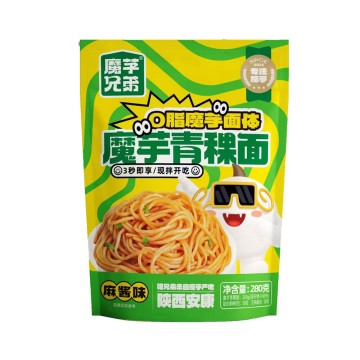
Explore our full range of low-calorie halal konjac noodle products — from instant cup noodles to bulk raw materials, designed for every halal market channel and consumer need.
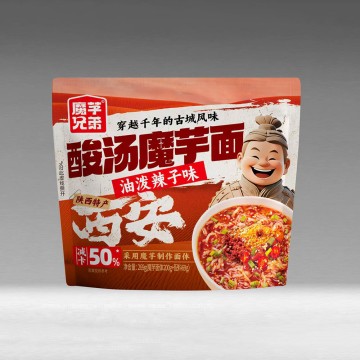
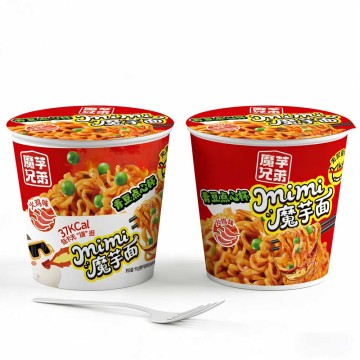
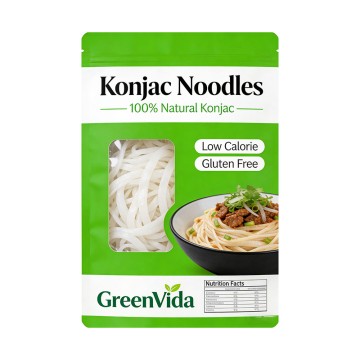
Whether you are a halal food distributor, private-label brand, or foodservice operator — our team is ready to co-develop the perfect low-calorie konjac noodle solution for your market. Contact us today for samples, pricing, and OEM consultation.