 86+09153618258
Leave Your Message
-
Contact Phone
-
 Contact Email
Premium grade, shelf-stable low-carb noodle options designed for immediate commercial distribution and private label integration.
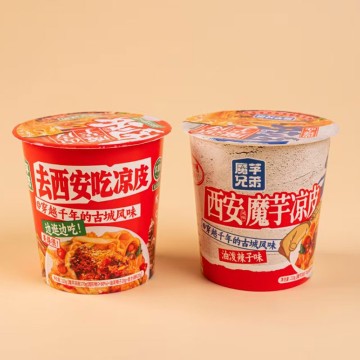
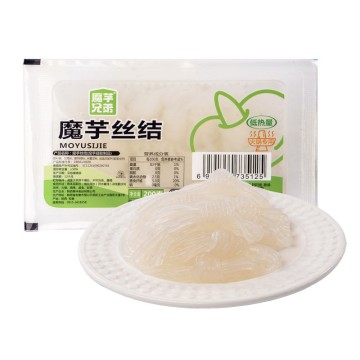
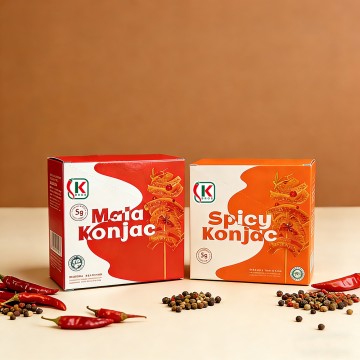
In the rapidly evolving landscape of health and wellness, the ketogenic (keto) diet has transitioned from a niche dietary trend to a dominant lifestyle choice worldwide. Centered around low-carbohydrate, high-fat consumption, the keto diet forces the body into a metabolic state called ketosis, where it burns fat for energy instead of glucose. However, one of the most significant challenges for individuals maintaining a ketogenic lifestyle is finding satisfying, low-carb alternatives to traditional staple foods, particularly pasta and noodles.
This is where Low-Calorie Konjac Noodles play a transformative role. Derived from the root of the Amorphophallus konjac plant, native to various parts of East Asia, these noodles (traditionally known as Shirataki noodles) offer an unparalleled nutritional profile: virtually zero net carbs, near-zero calories, and a rich supply of soluble dietary fiber known as glucomannan. For food brands, distributors, and health-focused manufacturers, integrating konjac-based products into their ketogenic portfolio is no longer just an option—it is a strategic necessity to meet growing consumer demand.
The global market for low-carb and ketogenic foods is projected to expand at a CAGR of over 6.5% in the coming decade. As consumer awareness of blood sugar management and weight loss grows, clean-label, plant-based alternatives like konjac noodles are leading the charge in functional food innovation.
From an industrial manufacturing perspective, konjac noodles represent a triumph of food processing technology. The primary raw material, konjac flour, is processed to isolate glucomannan—a highly viscous soluble fiber that can absorb up to 50 times its weight in water. This unique chemical property allows manufacturers to produce noodles that consist of approximately 97% water and 3% glucomannan fiber, resulting in a product that provides structural satiety without the caloric load associated with wheat, rice, or even bean-based pasta.
Currently, the commercial landscape for konjac products is undergoing massive scaling. China stands as the global epicenter of raw konjac cultivation and processing, leveraging optimal geographic and climatic conditions in provinces like Sichuan, Yunnan, and Shaanxi. Industrial suppliers are investing heavily in advanced purification technologies to refine raw konjac corms into high-grade, low-odor konjac flour. This raw material refinement is critical; older generations of shirataki noodles often carried a distinct alkaline, fishy aroma due to the calcium hydroxide used as a stabilizing agent. Modern processing plants utilize sophisticated washing and deodorizing techniques to produce "odorless" konjac noodles, rendering them far more appealing to Western markets and mainstream consumers.
For a food product to be certified or widely accepted as "Keto-Friendly," it must not disrupt the body's ketosis state. Traditional wheat pasta is loaded with simple carbohydrates that cause rapid spikes in blood glucose and insulin levels, instantly halting fat oxidation. Konjac noodles resolve this dilemma through several key biochemical mechanisms:
As the market matures, B2B buyers and consumers are demanding more than basic wet-pack shirataki noodles. Industry innovators are currently driving several key product development trends:
Classic konjac noodles can sometimes have a gelatinous or rubbery mouthfeel, which differs from traditional al dente wheat pasta. To bridge this sensory gap, advanced food developers are blending konjac flour with other low-carb ingredients. The addition of oat fiber, soybean flour, pea protein, or pumpkin powder yields a noodle with a more tender, chewable texture and a natural golden hue, mimicking traditional Italian pasta while keeping the net carb count exceptionally low.
Traditional wet konjac noodles are packaged in water, which increases shipping weight and transport costs. The development of dehydrated konjac noodle blanks (often formulated with a small percentage of starch or soluble fibers to facilitate rehydration) represents a major breakthrough. These dry noodles are lightweight, have an extended shelf life, and absorb sauces and broths much more effectively than their wet counterparts, making them highly attractive for international export and retail distribution.
Modern consumers are highly scrutinizing of ingredient lists. Global buyers are actively seeking suppliers who can provide certified Organic, Non-GMO, Gluten-Free, Vegan, Halal, and Kosher konjac products. Achieving these standards requires rigorous control over agricultural practices and factory processing environments, a benchmark that top-tier manufacturers are now meeting to secure premium contracts.
The versatility of low-calorie konjac noodles allows them to span multiple culinary and commercial application scenarios, far beyond simple home cooking:
In fast-paced urban environments, convenience is king. Food brands are developing ready-to-eat keto meals featuring pre-drained konjac noodles paired with high-fat, low-carb sauces (such as MCT-infused carbonara, avocado oil pesto, or spicy sesame paste). Packaged in microwavable bowls or self-heating containers, these products offer busy professionals a hot, satisfying, keto-compliant meal in under three minutes, solving the "time-poverty" issue of healthy eating.
Hospitals, bariatric clinics, and diabetic care facilities are increasingly integrating konjac-based meals into their dietary plans. For patients requiring strict glycemic control or caloric restriction, konjac noodles provide a safe vehicle for flavor delivery without compromising medical dietary restrictions. The high fiber content also aids in managing digestive health in clinical settings.
During cutting phases, bodybuilders and fitness enthusiasts must restrict calories while maintaining high dietary volume to combat hunger. Konjac noodles serve as a volume-filler, allowing athletes to consume large bowls of "pasta" with minimal caloric impact, keeping them full while maintaining a calorie deficit.
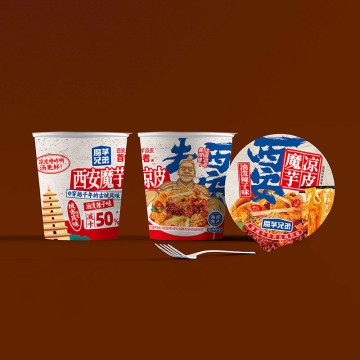
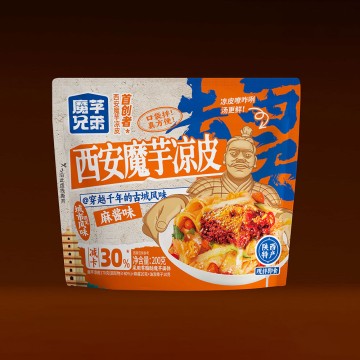
From Italian spaghetti and fettuccine to Japanese ramen, Vietnamese pho, and Chinese street foods (such as Xi'an cold noodles), konjac can be molded into virtually any noodle shape. This adaptability allows food manufacturers to localise products for diverse markets, replacing high-carb grains with functional konjac alternatives while preserving regional flavor profiles.
Partner with an industry leader to scale your low-carb and ketogenic product lines with custom formulations and global logistics support.
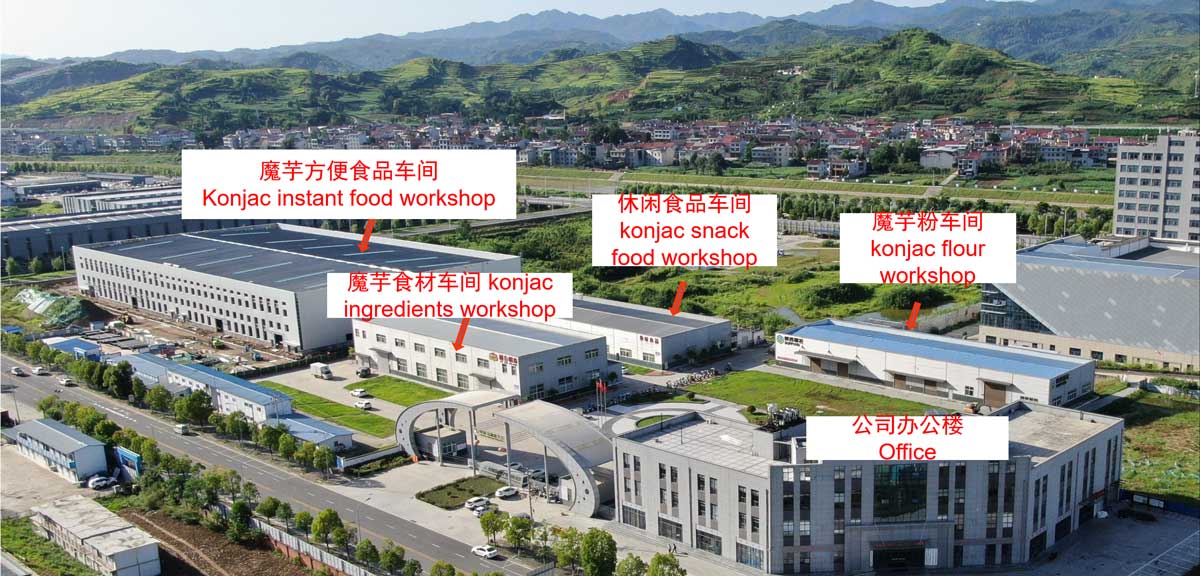
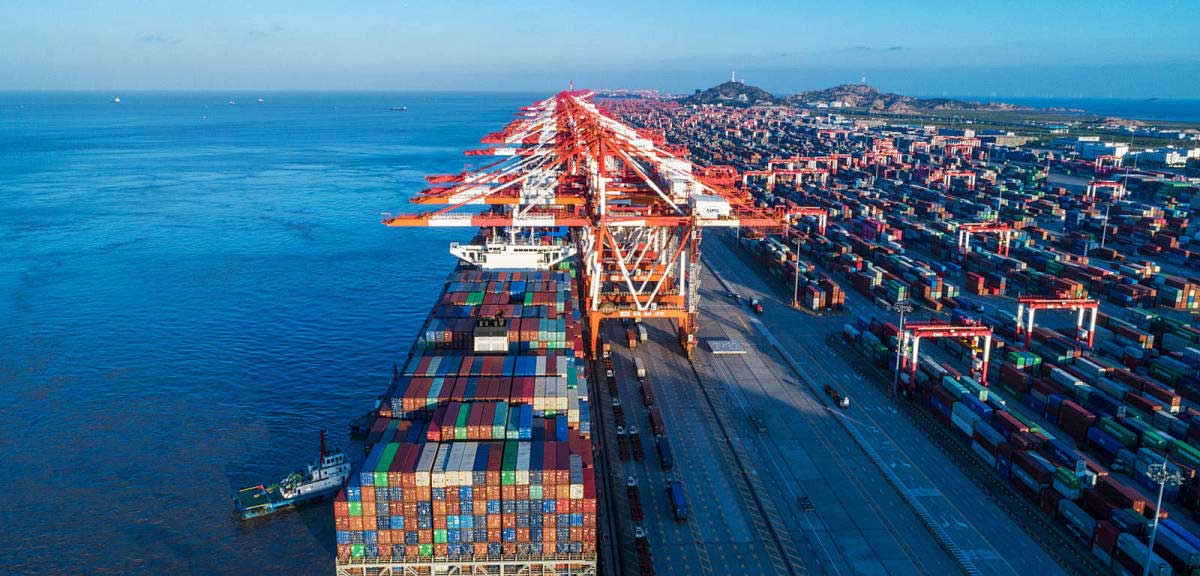


Explore our full range of raw materials, semi-finished noodle blanks, and ready-to-eat consumer products manufactured to global quality standards.