86+09153618258

0102030405
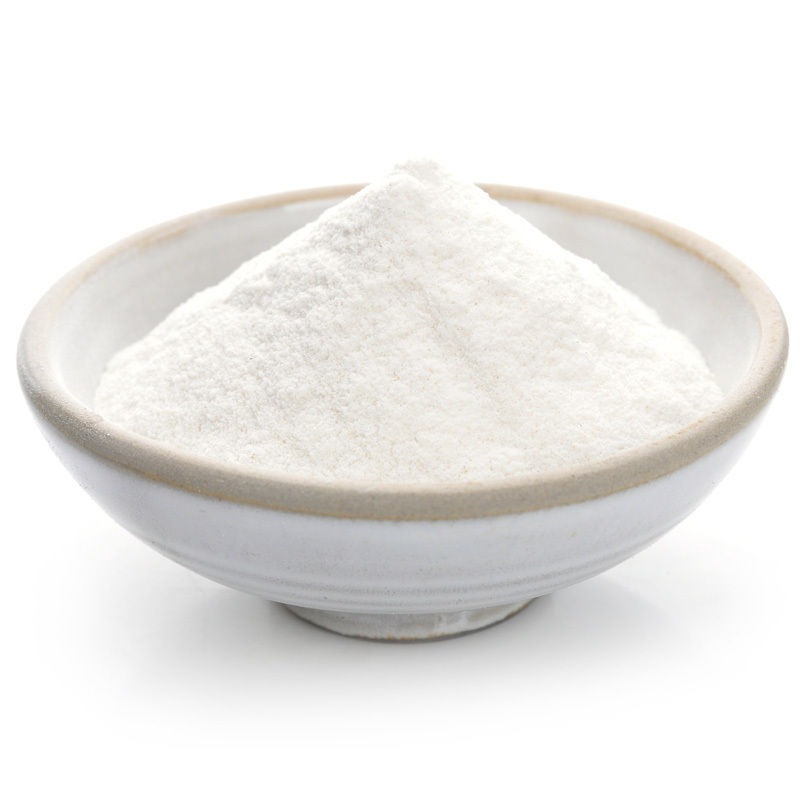
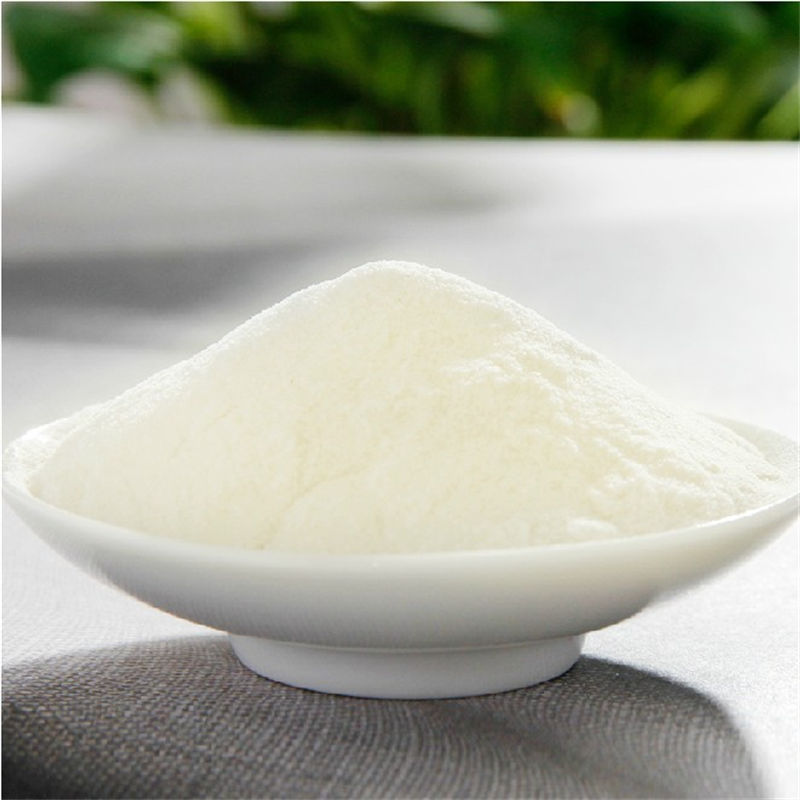
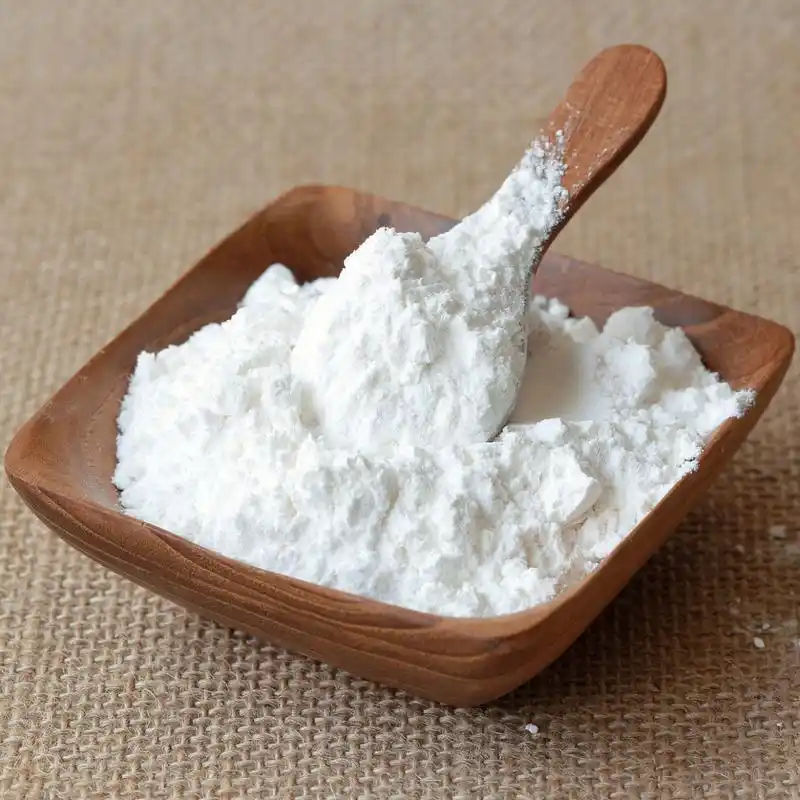
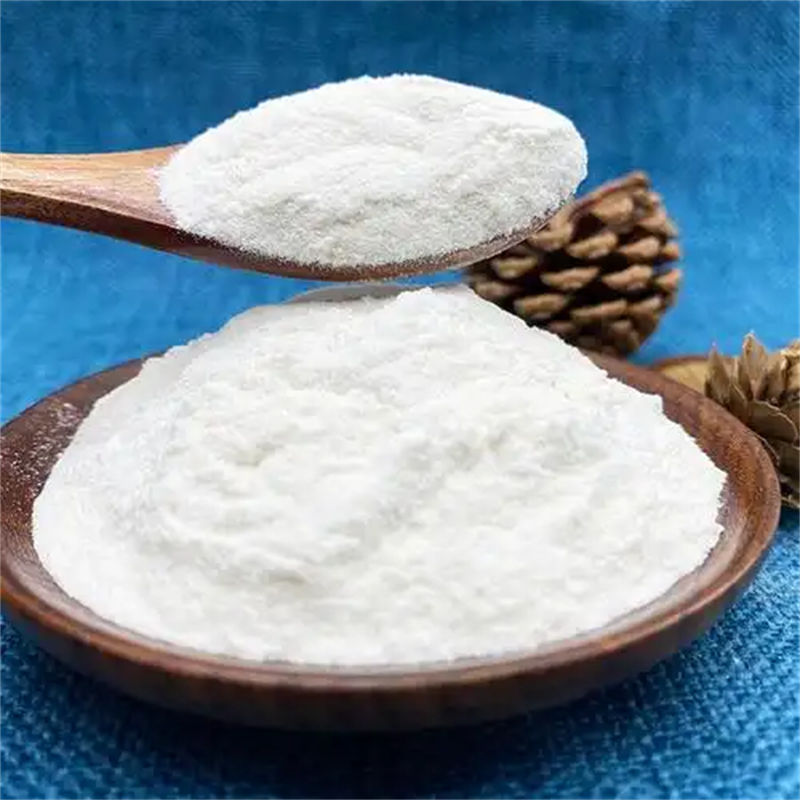
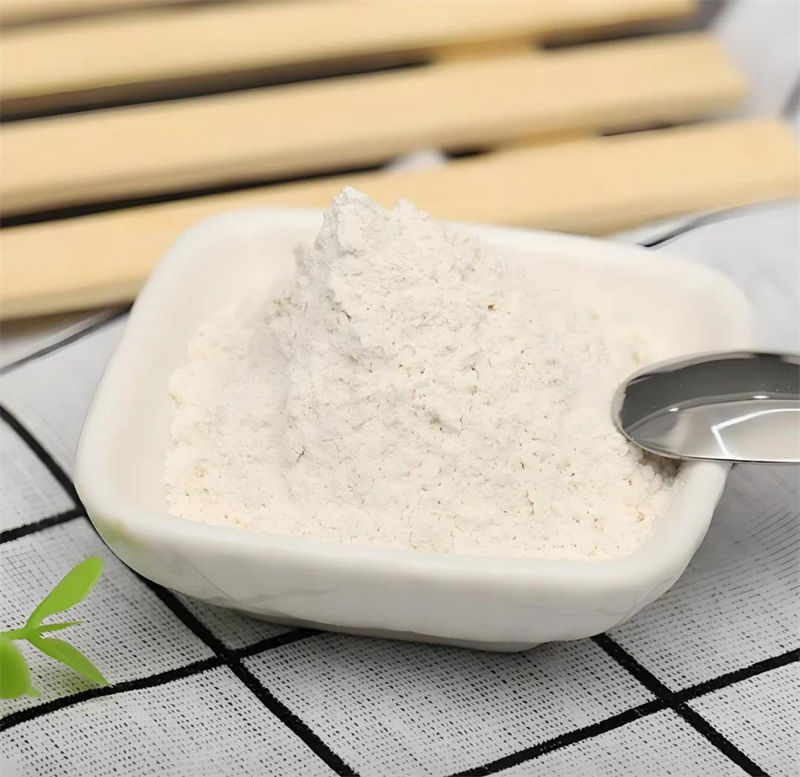
Premium Konjac Flour Suppliers - Factory Price Glucomannan Powder from China
Core Product Selling Points
-
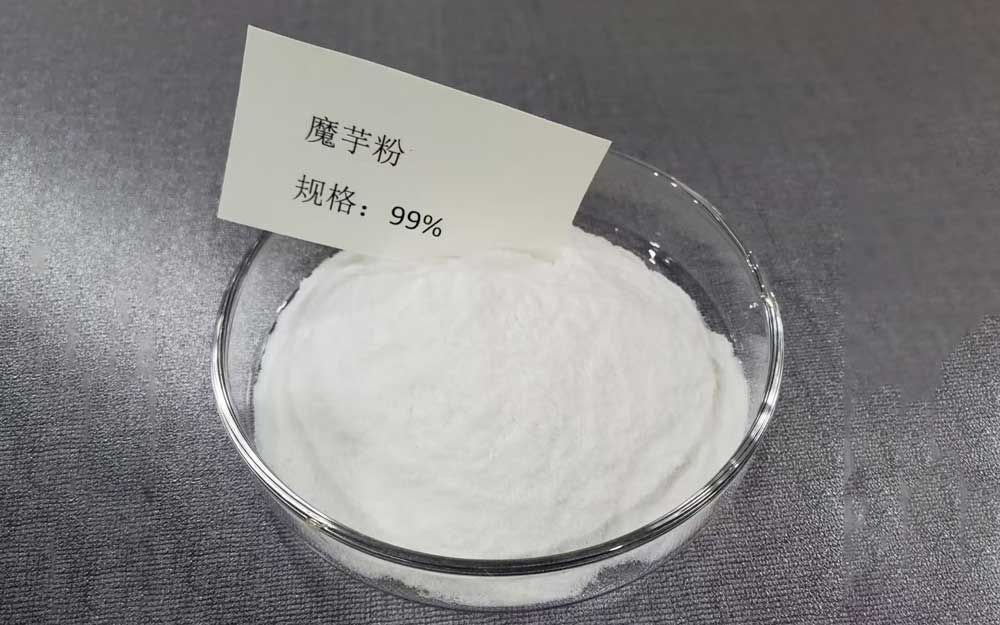 Purity & Traceability Sourced directly from our company-owned konjac planting bases and long-term contracted farms in the premium konjac-growing region of Shaanxi, China. This ensures the highest purity, consistent quality, and full traceability from root to powder.
-
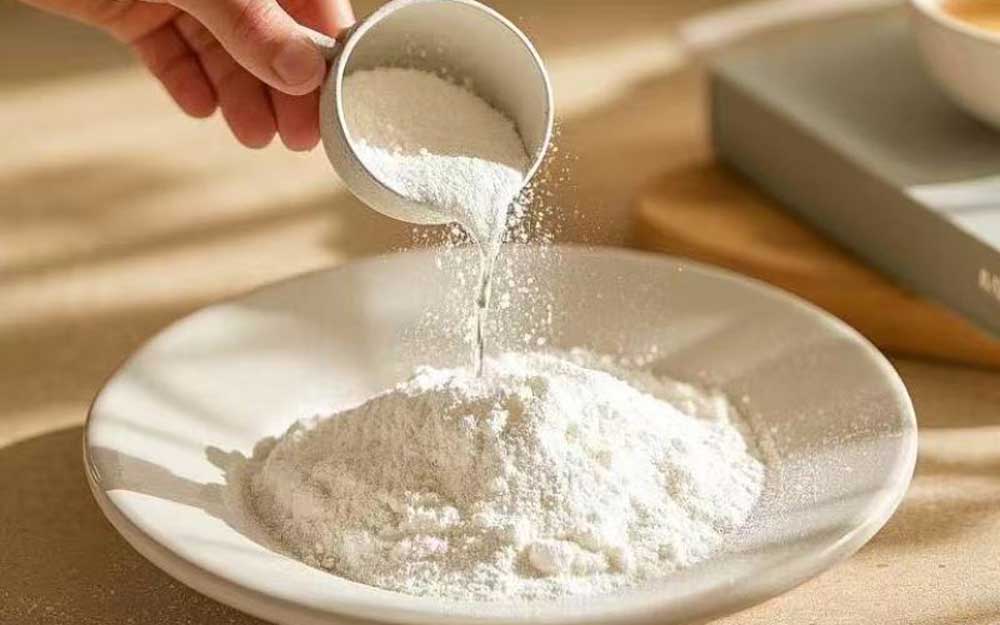 Superior Quality & Performance Our konjac flour boasts high viscosity and excellent water-holding capacity. It delivers superior gelling, thickening, and stabilizing properties compared to standard market offerings, ensuring optimal performance in your final products.
-
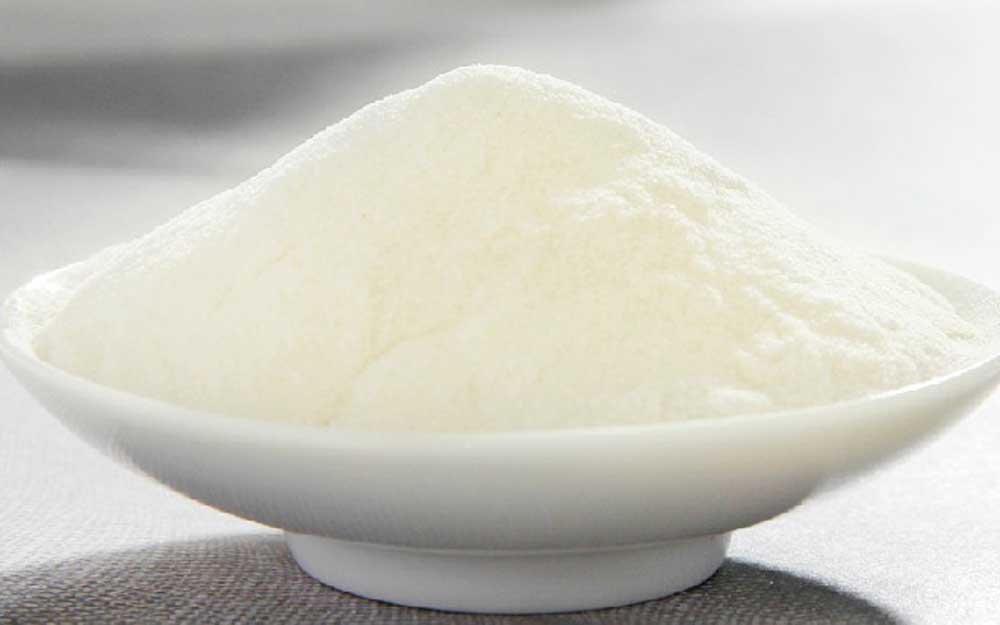 Advanced Processing Technology Utilizing fully automated production lines that include cleaning, slicing, drying, and fine milling. Our controlled low-temperature drying process preserves the integrity and efficacy of the glucomannan fibers.
-
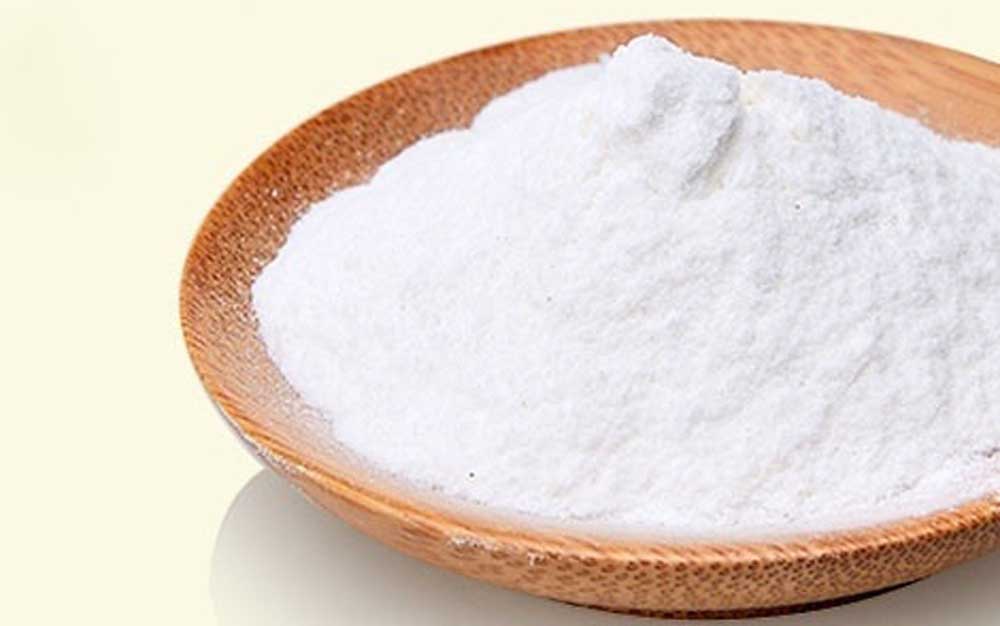 Strict Quality Assurance Every batch is rigorously tested in-house and by third-party labs. Our full-process quality control system ensures compliance with international food safety standards (e.g., ISO, HACCP, FDA, EU regulations). Certificates like SGS are available upon request.
Key Applications & Uses
Konjac flour is a versatile hydrocolloid with wide-ranging applications across the food industry:
Health & Wellness Foods
Weight Management Products: Ideal for meal replacements, shakes, and low-calorie foods due to its ability to promote a feeling of fullness (satiety).
Keto & Low-Carb Foods: Naturally zero-carb and very low in calories, making it a perfect ingredient for ketogenic and low-carbohydrate diets.
High-Fiber & Sugar-Free Foods: An excellent source of soluble dietary fiber (glucomannan) to boost the fiber content and replace sugars in formulations.
Vegan & Plant-Based Foods
Egg & Gelatin Substitute: Acts as a powerful gelling and binding agent in vegan recipes, replacing eggs in baked goods or gelatin in desserts like jellies and puddings.
Dairy Alternatives: Used as a stabilizer and thickener in plant-based yogurts, cheeses, and creams to improve texture and mouthfeel.
Meat & Seafood Products
Binder & Water Retainer: Improves yield, texture, and sliceability in products like sausages, ham, and surimi. Helps retain moisture during cooking.
Sauces, Dressings & Soups
Thickener & Stabilizer: Provides a smooth, non-starchy texture and prevents syneresis (water separation) in sauces, dressings, gravies, and instant soups.
Noodles & Pasta
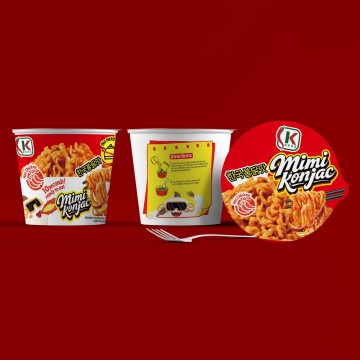
Primary Ingredient: The key component for producing shirataki/konjac noodles, low-carb pasta, and Asian-style noodles, providing their characteristic chewy texture.
Usage Guidelines (For Formulators)
⚠️ Konjac flour is highly absorbent. It must be fully hydrated to activate its gelling and thickening properties.
1
Dispersion
Slowly sprinkle the konjac powder into cold water (or the aqueous phase of your recipe) while under high-speed agitation to prevent lump formation.
2
Hydration
Allow the mixture to hydrate for 15–30 minutes with continuous stirring. The solution will thicken significantly.
3
Heating (Optional)
For a stronger gel, gentle heating (up to 50–60°C / 122–140°F) can be applied after hydration.
4
Incorporation
Blend the hydrated konjac gel into your main mixture. Typical usage levels range from 0.1% to 1.0%, depending on the desired viscosity and application.
Ideal For These Business Partners
Food Manufacturers
Companies producing health foods, vegan alternatives, meat products, sauces, noodles, and bakery items seeking a natural and high-performance ingredient.
Private Label & OEM/ODM
Businesses looking to develop their own line of konjac-based products or reformulate existing products with konjac flour. We offer comprehensive customization support.
Health Food Brands & Startups
Brands focusing on weight management, keto, low-carb, or high-fiber product categories.
Ingredient Distributors & Suppliers
B2B companies looking to add a high-quality, in-demand specialty ingredient to their portfolio. We support bulk orders for distribution.
Exporters & Supermarket Chains
Entities requiring large-volume, consistent supply for international markets or private-label supermarket brands.
Our Advantage
As a vertically integrated company, we control the supply chain from the konjac field to the powdered product. This allows us to offer competitive pricing, stable supply, and custom-developed konjac flour specifications to meet your unique formulation needs. Contact us for a sample and technical data sheet.
Frequently Asked Questions
Q What is konjac flour and how is it different from konjac glucomannan (KGM)?
Konjac flour is the raw milled powder made from dried konjac corms, containing glucomannan fiber along with starch and other components. Konjac glucomannan (KGM) is a more refined, purified form with a higher glucomannan content. Konjac flour is widely used in food manufacturing for its gelling, thickening, and fiber-enriching properties.
Q What certifications does your konjac flour comply with?
Our konjac flour is produced under strict quality control systems compliant with ISO, HACCP, FDA, and EU food safety regulations. Third-party certifications such as SGS test reports are available upon request to verify product safety and quality.
Q What is the recommended usage level of konjac flour in food formulations?
Typical usage levels range from 0.1% to 1.0% of the total formulation weight, depending on the desired viscosity and specific application. For example, thicker gels or noodle applications may require higher concentrations, while sauces and dressings may need only a small amount.
Q Can konjac flour be used as a vegan substitute for gelatin or eggs?
Yes. Konjac flour is an excellent plant-based alternative to gelatin and eggs. It acts as a powerful gelling and binding agent in vegan recipes, suitable for desserts, jellies, puddings, and baked goods. It is 100% plant-derived and free from animal products.
Q Do you support private label (OEM/ODM) and custom specifications?
Yes. As a vertically integrated manufacturer, we offer comprehensive OEM/ODM support. We can develop custom konjac flour specifications — including particle size, viscosity grade, and glucomannan content — tailored to your specific product formulation and branding requirements.
Q How should konjac flour be stored and what is its shelf life?
Konjac flour should be stored in a cool, dry, and well-ventilated environment, away from direct sunlight and moisture. When properly sealed and stored under recommended conditions, it typically has a shelf life of 24 months. Always reseal packaging tightly after opening to maintain product quality.