86+09153618258
Leave Your Message
-
Contact Phone
-
 Contact Email
The gluten-free food market has experienced unprecedented growth over the past decade, driven by increasing awareness of celiac disease, gluten sensitivity, and consumer preference for healthier dietary alternatives. Within this expanding market, skinny konjac noodles have emerged as a revolutionary solution for gluten-free pasta production, offering manufacturers and consumers alike a versatile, nutritious, and sustainable alternative to traditional wheat-based pasta.
Konjac noodles, derived from the konjac plant (Amorphophallus konjac), represent a paradigm shift in the pasta industry. With virtually zero calories, zero fat, and zero gluten, these translucent noodles have captured the attention of health-conscious consumers, food manufacturers, and nutritionists worldwide. The global konjac market, valued at approximately $2.3 billion in 2023, is projected to reach $4.6 billion by 2030, with gluten-free pasta production representing one of its fastest-growing segments.
The commercial landscape for skinny konjac noodles in gluten-free pasta production has evolved dramatically. Major food retailers across North America, Europe, and Asia have expanded their shelf space for konjac-based products, recognizing the growing consumer demand. The market is characterized by diverse applications ranging from retail consumer products to institutional food service and industrial food manufacturing.
The production technology for skinny konjac noodles has advanced significantly, enabling manufacturers to achieve consistent quality, improved texture, and enhanced shelf stability. Modern processing techniques include:
Advanced Extraction Methods: State-of-the-art facilities employ sophisticated extraction processes to obtain high-purity konjac glucomannan from the konjac corm. These methods maximize yield while preserving the functional properties of the glucomannan, resulting in superior noodle quality.
Precision Forming Technology: Computer-controlled extrusion systems enable manufacturers to produce konjac noodles in various shapes and sizes, from traditional spaghetti and fettuccine to specialty shapes for specific culinary applications. This versatility has expanded the commercial potential of konjac noodles in the pasta market.
Texture Enhancement Innovations: Research and development efforts have focused on improving the texture and mouthfeel of konjac noodles to more closely approximate traditional pasta. Techniques such as controlled alkaline treatment, enzymatic modification, and incorporation of complementary ingredients have resulted in products with enhanced palatability.
The environmental profile of skinny konjac noodles presents significant advantages over traditional wheat pasta production. Konjac cultivation requires less water, fertilizer, and pesticides compared to wheat farming. The plant's ability to thrive in marginal agricultural lands reduces competition with food crops for prime farmland. Additionally, the entire konjac plant can be utilized, minimizing agricultural waste and contributing to circular economy principles.
Carbon footprint analyses indicate that konjac noodle production generates approximately 60% less greenhouse gas emissions compared to conventional wheat pasta production, positioning konjac noodles as an environmentally responsible choice for sustainability-focused food manufacturers and consumers.
The regulatory framework governing konjac noodles in gluten-free pasta production varies across jurisdictions but generally recognizes konjac as a safe food ingredient. In the United States, konjac glucomannan is classified as Generally Recognized as Safe (GRAS), while the European Union includes konjac in its approved food additives list under E425.
Quality standards for konjac noodles in commercial production typically address parameters such as glucomannan content, moisture levels, microbial safety, and absence of gluten contamination. Leading manufacturers implement comprehensive quality management systems including ISO 22000, HACCP, and gluten-free certification programs to ensure product safety and regulatory compliance.
Several converging trends are driving the adoption of skinny konjac noodles in gluten-free pasta production:
Health and Wellness Movement: Growing consumer awareness of nutrition and its impact on health has fueled demand for low-calorie, high-fiber alternatives to traditional pasta. Konjac noodles align perfectly with dietary trends emphasizing plant-based eating, weight management, and digestive health.
Celiac Disease and Gluten Sensitivity: The increasing diagnosis of celiac disease and non-celiac gluten sensitivity has created a substantial market for genuinely gluten-free pasta alternatives. Konjac noodles offer a solution that eliminates concerns about cross-contamination present in some gluten-free wheat alternatives.
Keto and Low-Carb Diets: The popularity of ketogenic and low-carbohydrate dietary approaches has positioned konjac noodles as an ideal pasta substitute. With minimal digestible carbohydrates, konjac noodles enable adherents of these diets to enjoy pasta-style dishes without compromising their nutritional goals.
The konjac noodle industry continues to innovate, developing new product formulations and applications. Recent innovations include fortified konjac noodles enriched with proteins, vitamins, and minerals to enhance nutritional value. Hybrid products combining konjac with other gluten-free ingredients such as brown rice, quinoa, or legume flours offer varied textures and nutritional profiles to meet diverse consumer preferences.
Flavored konjac noodles represent another area of innovation, with manufacturers developing products infused with natural flavors, vegetables, and herbs. These value-added products command premium pricing and appeal to consumers seeking convenience and variety in their gluten-free pasta options.
The global supply chain for konjac noodles faces several challenges that impact commercial production. Konjac cultivation is geographically concentrated in East and Southeast Asia, particularly China, which accounts for approximately 70% of global konjac production. This concentration creates supply chain vulnerabilities related to weather events, agricultural policies, and geopolitical factors.
Transportation and storage requirements for konjac noodles also present logistical considerations. Fresh konjac noodles require refrigerated storage and have limited shelf life, while dried konjac products offer extended shelf stability but require different handling and preparation methods. Manufacturers must balance these factors when designing distribution strategies for different market segments.
The future of skinny konjac noodles in gluten-free pasta production appears exceptionally promising. Industry analysts project continued double-digit growth rates through 2030, driven by expanding consumer awareness, product innovation, and increasing mainstream acceptance of alternative pasta products.
Emerging markets in Latin America, Africa, and the Middle East represent significant growth opportunities as awareness of gluten-free dietary options increases in these regions. Additionally, the development of konjac cultivation in new geographic areas could diversify the supply chain and reduce production costs, further accelerating market adoption.
Technological advancements in food science may unlock new applications for konjac noodles, including use as a functional ingredient in composite foods, 3D-printed food products, and personalized nutrition applications. The intersection of konjac noodle technology with emerging food trends positions this ingredient at the forefront of food innovation for the coming decade.
Shaanxi Jiwei Food Co., Ltd.
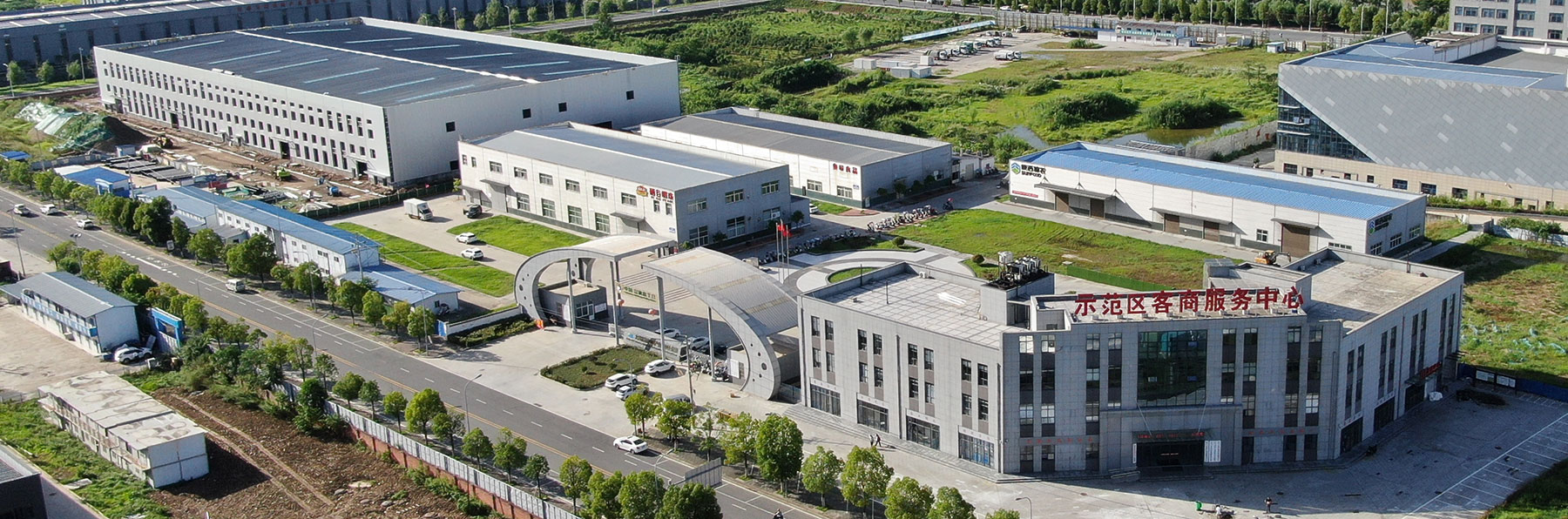
Shaanxi Jiwei Food Co., Ltd. was founded in 2018 and is a professional konjac food enterprise integrating konjac planting, research and development, production and sales.
The company has a registered capital of 50 million yuan, covers an area of over 50 mu, and possesses 30,000 square meters of standardized workshops and 3 automated konjac food production lines, thus building a complete industrial chain from konjac planting to deep processing.
Its product line covers multiple niche scenarios both online and offline, meeting the diverse needs of consumers of different age groups.
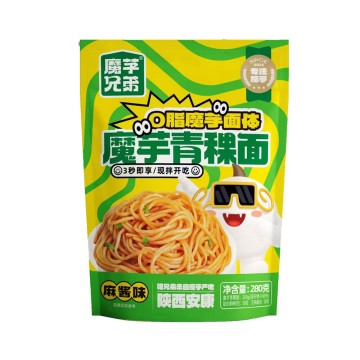
As a leading enterprise in the field of deep processing of konjac, the company has formed three core product systems: konjac snack foods, konjac catering ingredients and konjac convenience foods. Its products are sold well throughout the country and exported to overseas markets.
The company's brand "Konjac Brothers" adheres to the corporate mission of "developing the konjac industry and promoting scientific diet". Relying on its independently developed patented technology and advanced production system, it continuously develops innovative products that meet modern health needs.
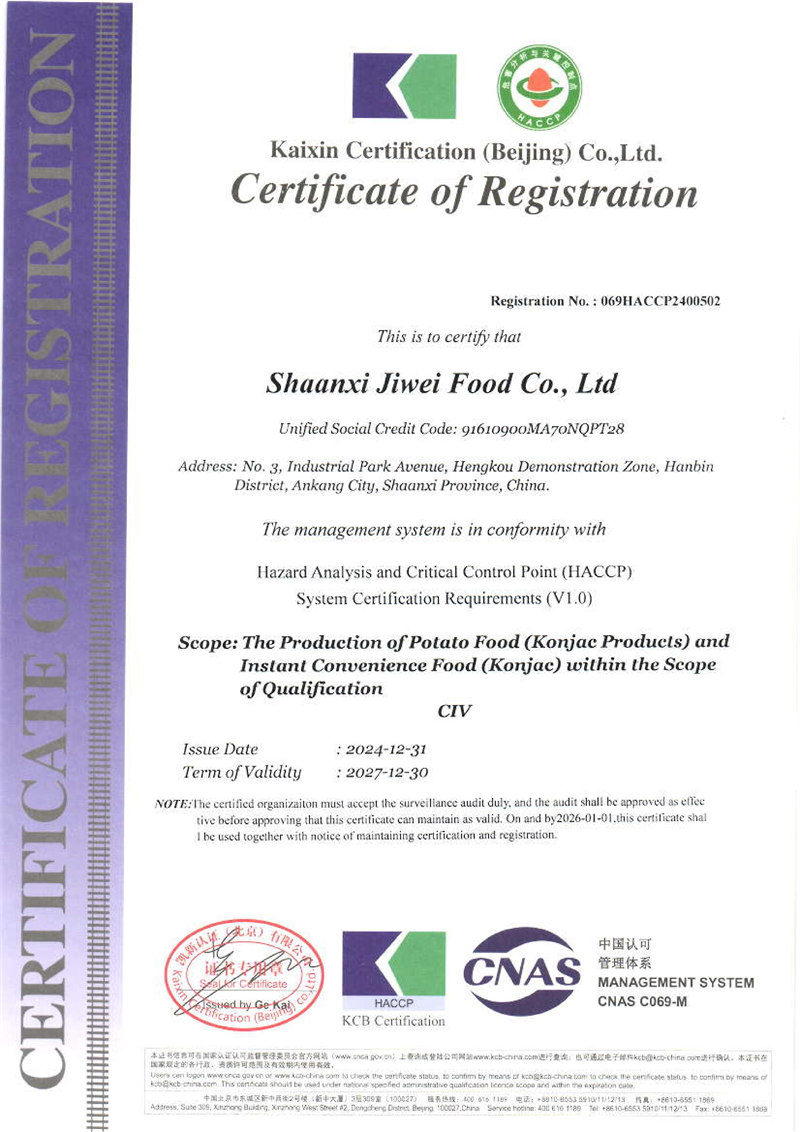
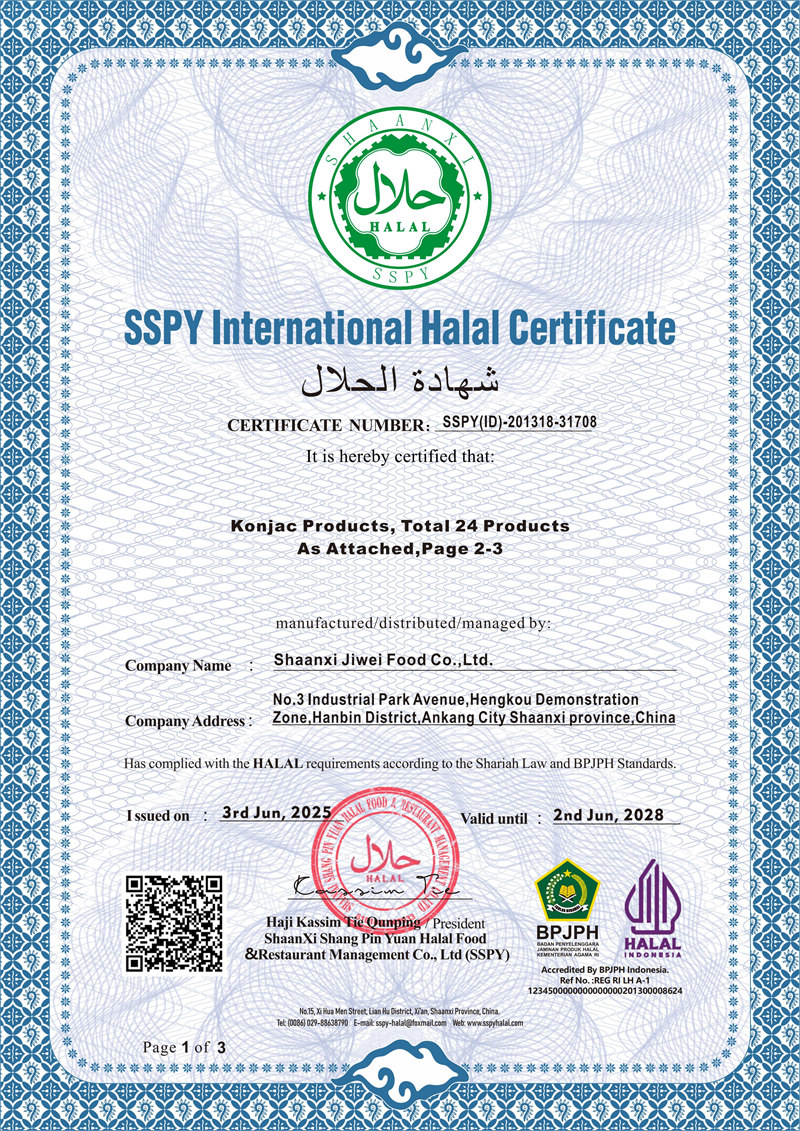
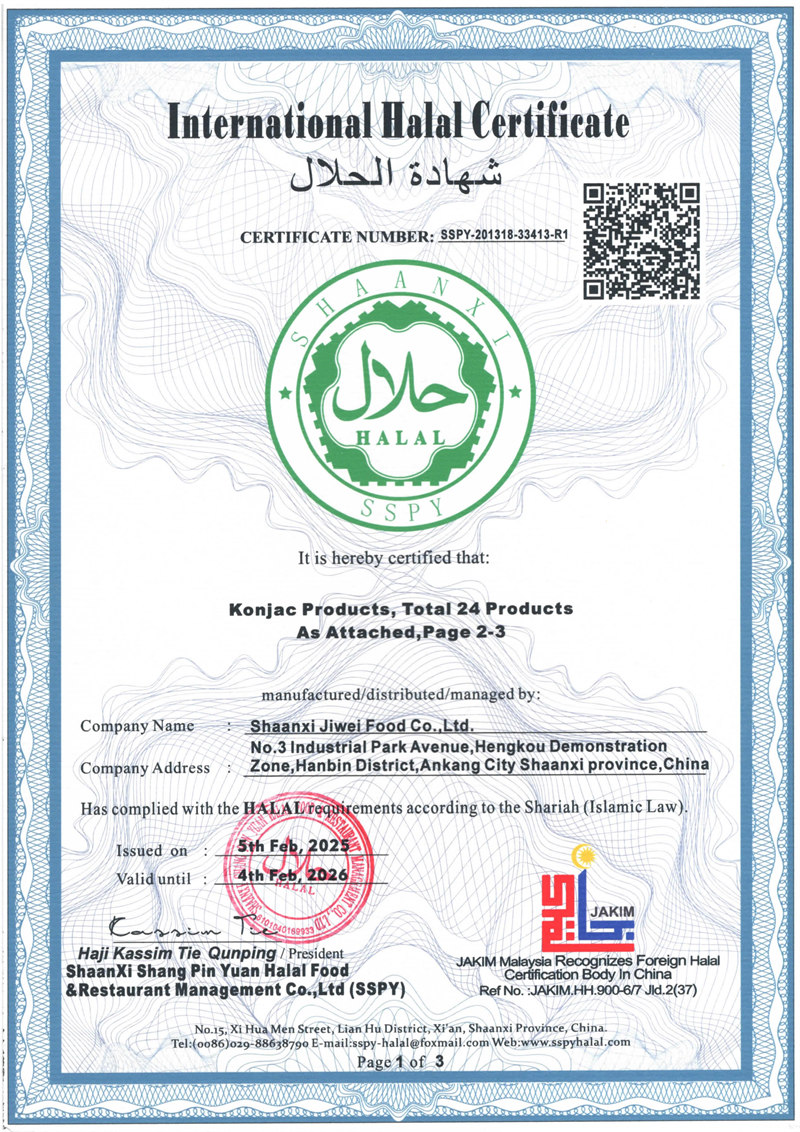
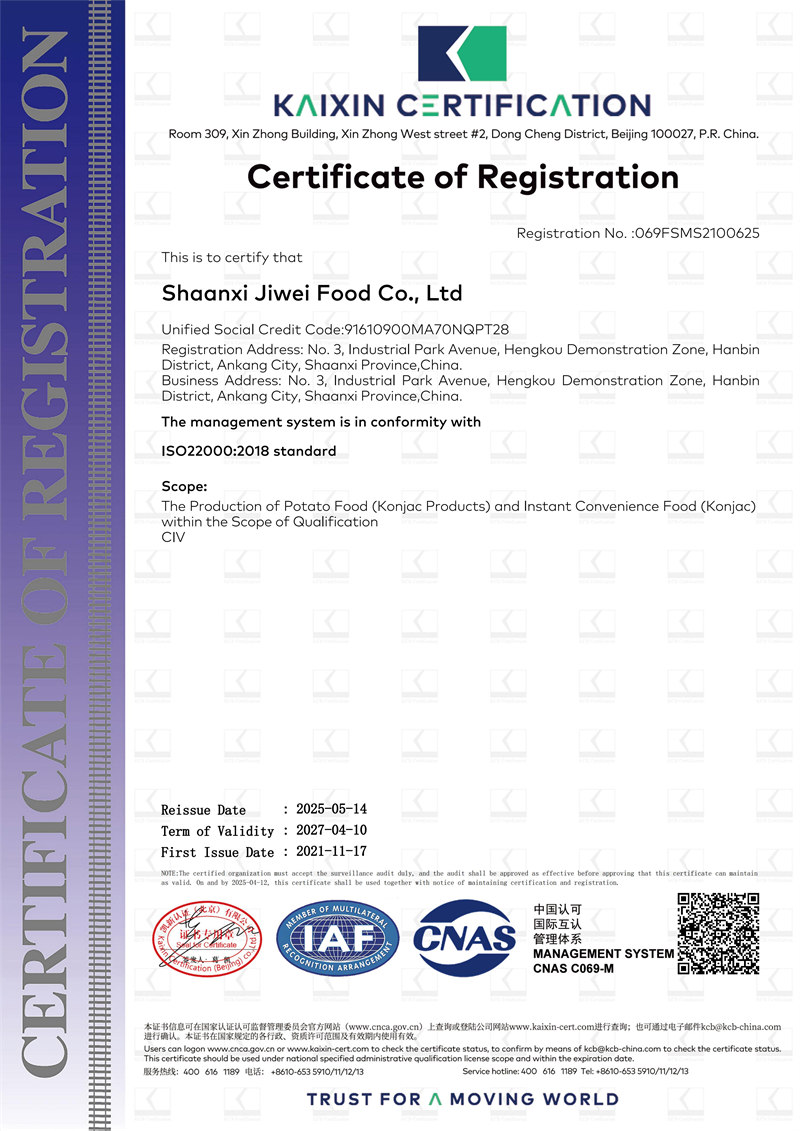
By establishing a three-in-one quality control system of "raw material traceability + process monitoring + finished product inspection", and strictly implementing international certification standards such as ISO22000, HALAL, and HACCP, we ensure quality assurance throughout the entire process from the source to the terminal.
——KONJAC BROTHERS
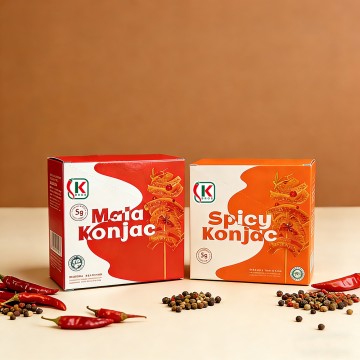
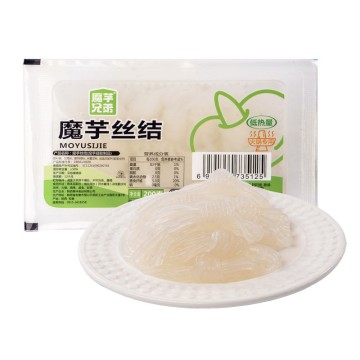
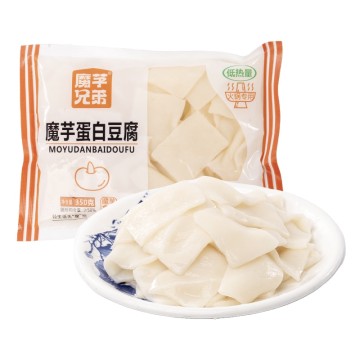
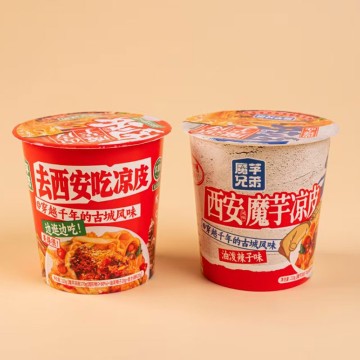
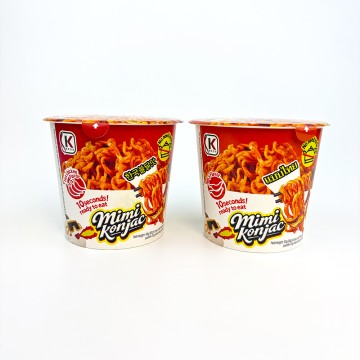
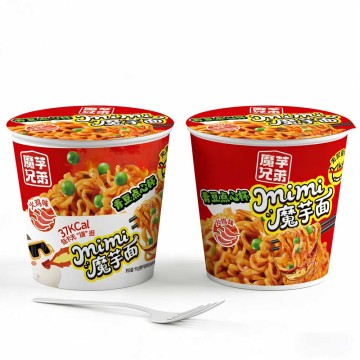
Konjac Brothers is a core proprietary brand under Shaanxi Jiwei Food Co., Ltd. It has also registered an independent overseas trademark – KONJAC BROTHERS, abbreviated as K-Brand. With over a decade of development, the brand has evolved a diverse product portfolio covering multiple categories of konjac products, including konjac leisure snacks, konjac instant foods, konjac ingredients, and konjac powder raw materials.
Adhering to the core positioning of "Specialized in Konjac, Reliable in Quality", Konjac Brothers takes "Developing the konjac industry, boosting the local economy, and contributing to a Healthy China" as its brand mission. We are committed to crafting premium products with dedication and providing sincere services to customers.
In recent years, the brand has maintained robust growth momentum, with its products successfully exported to Southeast Asian markets including Thailand, South Korea, and Malaysia. Looking forward, we are committed to bringing our konjac products to the global stage.
Since 2014 - Shaanxi Jiwei Food Co., Ltd.
The product has been exported to countries such as South Korea, Malaysia, Thailand and Singapore.
It passed the Malaysia International Halal Certification and HACCP Certification.
A deep cooperation was formed with Bai caowei, opening the path of international enterprise cooperation.
We collaborated with UniPresident Group to develop konjac snacks, with an annual output value of over 200 million yuan for leisure food.
It was awarded as a high-tech enterprise in Shaanxi Province.
The company obtained ISO 22000 certification.
In cooperation with Yuan qi company, the company truly moved towards quality management.
The company's first box of Konjac Brothers products went offline. On June 9, Konjac Brothers entered the CRV vanguard system in Shaanxi, and successively arrived in Chongqing, Henan and Hebei.
Quality certifications ensuring international standards