86+09153618258
Leave Your Message
-
Contact Phone
-
 Contact Email
The global vegetarian snack industry is experiencing unprecedented growth, driven by increasing health consciousness, environmental concerns, and ethical considerations. Within this expanding market, skinny konjac noodles have emerged as a revolutionary product category that perfectly aligns with contemporary consumer demands for low-calorie, high-fiber, plant-based alternatives. These translucent, gelatinous noodles derived from the konjac plant (Amorphophallus konjac) contain virtually zero net carbohydrates and calories, making them an ideal foundation for vegetarian snack brands seeking to differentiate themselves in an increasingly competitive marketplace.
As vegetarian and flexitarian diets continue to gain mainstream acceptance across North America, Europe, and Asia-Pacific regions, food manufacturers are recognizing the commercial potential of konjac-based products. The global konjac market, valued at approximately $2.3 billion in 2023, is projected to reach $4.1 billion by 2030, with skinny noodle variants representing one of the fastest-growing segments. This growth trajectory reflects not only changing dietary preferences but also advances in food processing technology that have significantly improved the texture, flavor absorption, and shelf stability of konjac products.
Skinny konjac noodles offer vegetarian snack brands a unique value proposition: zero guilt indulgence combined with functional health benefits. With only 5-10 calories per 100g serving, 97% water content, and rich glucomannan fiber, these noodles address multiple consumer pain points simultaneously – weight management, digestive health, blood sugar control, and sustainable eating – while maintaining the sensory satisfaction of traditional noodle consumption.
The production of skinny konjac noodles involves a sophisticated supply chain that begins with konjac corm cultivation, primarily concentrated in China's Sichuan, Yunnan, and Guizhou provinces, as well as Japan and Southeast Asian countries. The manufacturing process requires specialized equipment for washing, peeling, grinding, alkaline treatment, molding, and sterilization. Leading manufacturers have invested heavily in automated production lines capable of producing 50-200 tons of finished products daily, ensuring consistent quality and food safety standards that meet international certifications including HACCP, ISO 22000, BRC, and organic certifications.
For vegetarian snack brands, understanding the supply chain is crucial for ensuring product consistency and cost management. The konjac flour extraction process yields glucomannan content ranging from 75-95%, with higher purity grades commanding premium prices. Brands must balance cost considerations with quality requirements, as glucomannan purity directly impacts the noodles' texture, water-holding capacity, and cooking performance. Strategic partnerships with vertically integrated suppliers who control both cultivation and processing can provide competitive advantages in pricing stability and supply security.
The regulatory landscape for konjac products varies significantly across markets. In the European Union, konjac glucomannan is approved as a food additive (E425) and novel food ingredient, with specific labeling requirements regarding choking hazards for jelly products. The United States FDA recognizes konjac as Generally Recognized as Safe (GRAS) for food use, though mini-cup jelly products face restrictions due to safety concerns. Asian markets, particularly Japan, Korea, and China, have long-established regulatory frameworks that facilitate easier market entry for konjac-based products.
Vegetarian snack brands expanding internationally must navigate these diverse regulatory requirements while ensuring compliance with vegetarian and vegan certification standards. Third-party certifications from organizations like The Vegan Society, Vegetarian Society, or local equivalents provide valuable marketing differentiation and consumer trust, particularly in Western markets where plant-based claims require substantiation.
Naturally vegetarian and vegan-friendly, konjac noodles align perfectly with ethical and sustainable dietary choices
Near-zero calories and high satiety factor make konjac ideal for calorie-conscious consumers and weight loss programs
Glucomannan fiber supports digestive health, cholesterol management, and blood sugar regulation with clinical evidence
The next generation of skinny konjac noodles is moving beyond pure konjac formulations toward hybrid products that combine konjac with complementary plant-based ingredients. Manufacturers are incorporating oat fiber, pea protein, chickpea flour, quinoa, and ancient grains to enhance nutritional profiles while improving texture and mouthfeel. These hybrid formulations address one of the primary consumer objections to traditional konjac noodles – the distinctive texture and slight odor – while adding protein, vitamins, and minerals that appeal to health-conscious consumers.
Vegetarian snack brands are particularly interested in protein-enriched konjac noodles that can deliver 8-12g of plant protein per serving, positioning products as complete meal replacements rather than mere side dishes. The incorporation of spirulina, chlorella, and vegetable powders creates visually appealing colored noodles (green, red, purple) that enhance Instagram-ability and shelf appeal, critical factors in modern snack marketing.
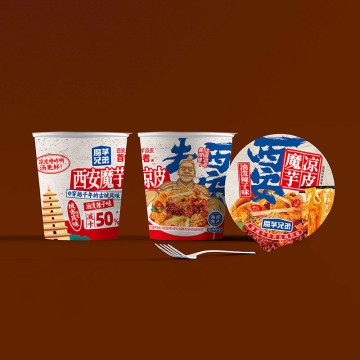
The convenience revolution is transforming konjac noodles from a cooking ingredient into grab-and-go snack solutions. Single-serve cup noodles with integrated seasoning sachets, microwaveable pouches, and cold-preparation formats are expanding the consumption occasions for konjac products beyond traditional meal times. These innovations are particularly relevant for vegetarian snack brands targeting office workers, students, and busy professionals seeking healthy convenience options.
Flavor innovation is accelerating, with brands moving beyond Asian-inspired profiles (soy sauce, miso, kimchi) to incorporate global taste preferences including Mediterranean, Mexican, Indian, and fusion flavors. The development of flavor systems that effectively coat and penetrate konjac noodles' unique surface structure requires specialized food science expertise, creating opportunities for brands that can master this technical challenge.
Environmental sustainability is becoming a central marketing pillar for konjac products. The konjac plant requires minimal water, no pesticides, and actually improves soil quality, making it one of the most environmentally friendly crops available. Forward-thinking brands are quantifying and communicating the carbon footprint advantages of konjac noodles compared to wheat pasta, rice noodles, and even other plant-based alternatives.
Clean label trends are driving reformulations that eliminate controversial additives like calcium hydroxide (traditionally used in konjac processing) in favor of natural alkaline agents. Organic certification, non-GMO verification, and transparent sourcing stories are becoming standard expectations rather than premium differentiators, particularly in Western markets where consumers scrutinize ingredient lists with increasing sophistication.
Industry analysts predict the vegetarian snack segment featuring konjac noodles will experience compound annual growth rates (CAGR) of 12-15% through 2030. Key growth drivers include: expanding distribution through mainstream retail channels, increased marketing investment from major food companies entering the category, clinical research validating health claims, and generational shifts toward plant-forward eating patterns among Gen Z and Millennial consumers who will represent 70% of purchasing power by 2030.
The corporate wellness movement has created substantial opportunities for healthy snack alternatives in office environments. Skinny konjac noodles positioned as midday meal replacements or afternoon snacks address multiple workplace needs: quick preparation (2-3 minutes), no refrigeration required for shelf-stable formats, minimal cleanup, and sustained energy without the post-lunch crash associated with high-carbohydrate meals.
Vegetarian snack brands can develop specialized product lines for corporate wellness programs, featuring portion-controlled servings (200-250g prepared weight), balanced macro-nutrient profiles when fortified with plant proteins, and functional ingredients like adaptogens or nootropics that support cognitive performance. Bulk purchasing programs for corporate cafeterias and vending machine-compatible packaging formats represent untapped B2B channels with significant volume potential.
The intersection of plant-based eating and athletic performance is creating demand for vegetarian sports nutrition products. Konjac noodles enriched with BCAAs (branched-chain amino acids), electrolytes, and fast-absorbing plant proteins can serve as pre-workout or post-workout meals for vegetarian athletes. The high water content and electrolyte-carrying capacity of konjac make it an effective hydration vehicle, while the glucomannan fiber supports gut health – increasingly recognized as crucial for athletic performance and recovery.
Brands can collaborate with fitness influencers, yoga studios, and CrossFit gyms to position konjac noodles as the foundation for macro-friendly meal prep. The virtually zero-calorie base allows athletes to "spend" their calorie budget on nutrient-dense toppings (tofu, tempeh, nuts, vegetables) while maintaining satiety and volume. Recipe development focusing on high-protein, high-flavor combinations can overcome the perception that plant-based eating compromises athletic goals.
Clinical applications for konjac noodles extend beyond general wellness into therapeutic nutrition for specific medical conditions. The soluble fiber glucomannan has demonstrated efficacy in managing type 2 diabetes by slowing glucose absorption and improving insulin sensitivity. For vegetarian patients with diabetes, konjac noodles provide a pasta alternative that doesn't spike blood sugar levels, addressing a significant quality-of-life concern.
Similarly, the cholesterol-lowering effects of glucomannan (supported by EFSA health claims in Europe) position konjac products for cardiovascular health management. Vegetarian snack brands can partner with dietitians, diabetes educators, and healthcare providers to develop medically-tailored product lines with standardized glucomannan dosing, appropriate for inclusion in therapeutic meal plans. This medical nutrition positioning justifies premium pricing and creates switching barriers once products become integrated into patient care protocols.
The foodservice channel represents significant growth potential as restaurants seek to accommodate diverse dietary requirements without maintaining extensive ingredient inventories. Konjac noodles' versatility across cuisines (Italian, Asian, Mexican adaptations) and cooking methods (stir-fry, soup, cold salad) makes them valuable for menu innovation.
Vegetarian and vegan restaurants can feature konjac noodles as the base for signature dishes that deliver Instagram-worthy presentation with health-halo benefits clearly communicated on menus. Fast-casual chains focused on customizable bowls (similar to Chipotle or Sweetgreen models) can offer konjac noodles as a base option alongside rice, quinoa, and greens, appealing to calorie-conscious customers. The long shelf life and ambient storage requirements reduce food waste and inventory management complexity for restaurant operators.
The global weight management market, valued at over $200 billion annually, increasingly emphasizes sustainable dietary changes over restrictive dieting. Konjac noodles align perfectly with volume eating strategies that prioritize satiety through high-volume, low-calorie foods. Vegetarian snack brands can develop comprehensive meal replacement systems featuring konjac noodles as the foundation, complemented by portion-controlled protein sachets, vegetable mixes, and flavor systems.
Subscription-based direct-to-consumer models can deliver weekly variety packs with different flavors and preparation styles, supported by digital coaching, recipe content, and community support. The combination of convenient delivery, nutritional structure, and ongoing engagement addresses the primary failure points of traditional weight loss attempts – decision fatigue, preparation barriers, and lack of support – while maintaining vegetarian dietary principles.
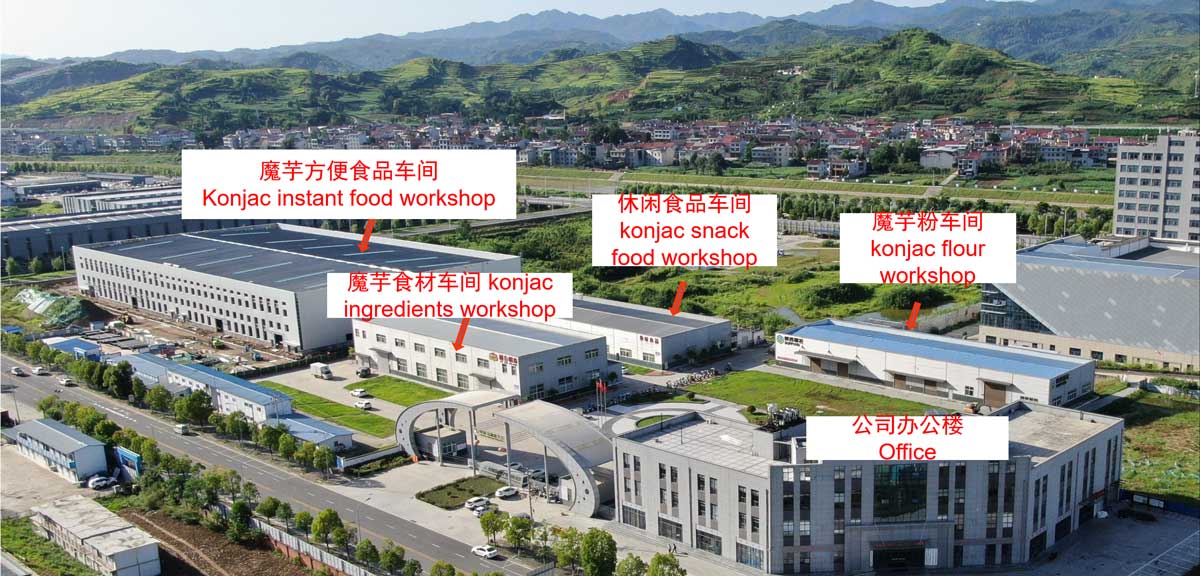
We offer full-process customized services from product design, R&D to manufacturing. We support customers to independently define product formulas, specifications, packaging and process flows according to their own needs, and we are responsible for production implementation to help customers create exclusive branded products. Our specialized expertise in konjac noodle formulation enables vegetarian snack brands to develop unique products that differentiate in competitive markets while maintaining cost efficiency and quality consistency.

We provide one-stop professional foreign trade export services, covering customs declaration, inspection, international logistics, document processing and other full-link services. We support two trade terms: FOB (Free On Board) and CIF (Cost, Insurance and Freight), and offer various international freight solutions such as door-to-port and port-to-port to ensure safe and on-time delivery of goods to global destinations. Our experience with temperature-sensitive konjac products ensures proper handling throughout the supply chain.

We carry out joint R&D cooperation with enterprises in different industries, integrating the technical, resource and market advantages of both parties to jointly develop innovative products. Focusing on the fields of healthy food and functional ingredients, we create differentiated products that meet new market demands through cross-border technology integration and formula innovation. Our research capabilities in glucomannan functionality and plant-based protein integration support next-generation vegetarian snack development.

We provide full-link support for brand marketing and communication, including market research, brand positioning, content planning, and online & offline promotion planning. Combining industry trends with customer brand characteristics, we develop precise promotion strategies to enhance product visibility and market share. Our deep understanding of vegetarian consumer psychology and konjac product education needs enables effective messaging that drives trial and repeat purchase.