 86+09153618258

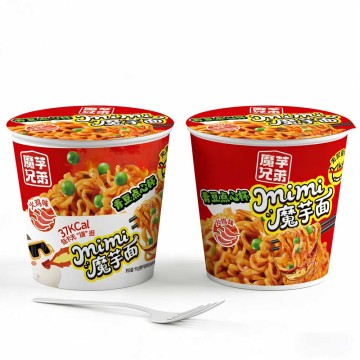
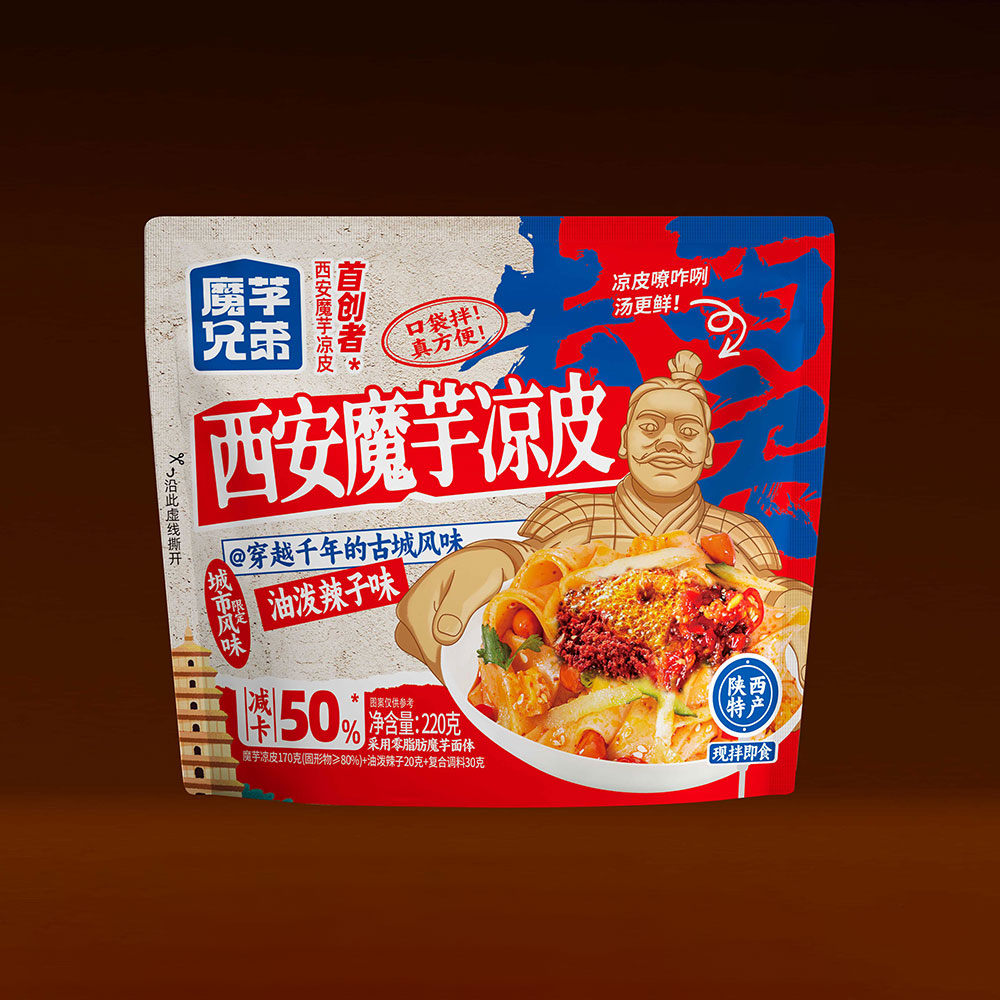
The Global Fiber Gap & The Rise of Zero-Calorie Konjac Noodles
In contemporary global clinical nutrition and consumer food dynamics, modern dietary patterns are consistently characterized by an alarming shortfall in essential dietary fiber intake. Often termed the "Fiber Gap," clinical studies indicate that over 90% of adults in North America and Western Europe fall significantly below the recommended daily fiber consumption threshold of 25 to 38 grams per day. This chronic deficiency has directly accelerated the incidence of metabolic syndrome, Type-2 diabetes, cardiovascular complications, and functional gastrointestinal disorders.
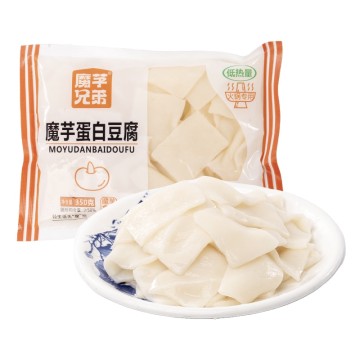
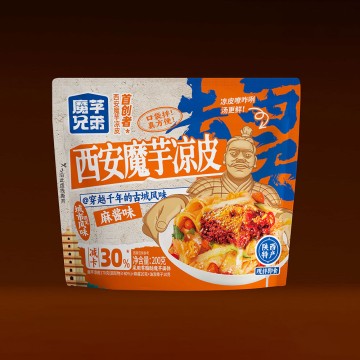
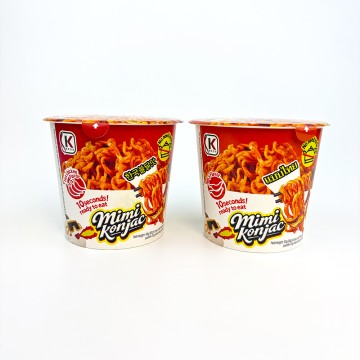
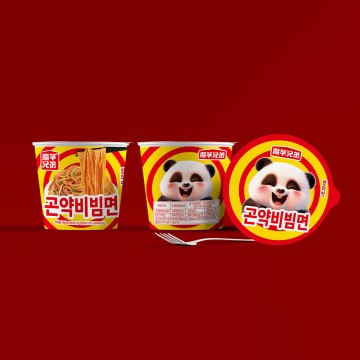
To combat this systemic health deficit without imposing caloric overload, functional food engineering has increasingly pivoted toward Zero Konjac Noodles as Dietary Fiber Supplements. Derived from the perennial tuber Amorphophallus konjac, konjac-based matrices present a unique intersection of culinary satisfaction and targeted biochemical intervention. Unlike traditional grain-based pasta or starchy instant noodles, zero-calorie konjac noodles provide near-zero digestible carbohydrates, zero lipid content, and an exceptionally concentrated volume of water-soluble polysaccharide fiber known as Konjac Glucomannan (KGM).
Physiological & Molecular Mechanisms of Konjac Glucomannan (KGM)
The core physiological efficacy of Zero Konjac Noodles as a functional fiber delivery system stems from KGM’s unique molecular structure. Composed of D-glucose and D-mannose units joined by β-1,4-glycosidic linkages in a 1:1.6 molar ratio, KGM exhibits the highest molecular weight (up to 2,000,000 Daltons) and highest water-binding capacity among all known natural dietary fibers.
- Hydration & Gastric Distension: KGM can absorb up to 50–100 times its dry weight in water, expanding into a high-viscosity hydrogel inside the stomach. This physical distension triggers vagal nerve afferent signaling, promoting sustained satiety and suppressing ghrelin secretion.
- Postprandial Glycemic Control: The non-Newtonian gel matrix entraps free glucose molecules, delaying gastric emptying and slowing down nutrient absorption across the intestinal lumen. This prevents postprandial blood glucose spikes and insulin surges.
- Short-Chain Fatty Acid (SCFA) Synthesis: As a soluble prebiotic fiber, KGM resists enzymatic digestion in the upper gastrointestinal tract and undergoes selective microflora fermentation in the colon, yielding therapeutic quantities of acetate, propionate, and butyrate.
Key Industry Takeaway
By transforming high-purity KGM into a stable, hydrocolloid noodle matrix, food manufacturers can deliver therapeutic doses of prebiotic soluble fiber (up to 4–6 grams per serving) disguised as a traditional, high-satisfaction carb alternative.