 86+09153618258
Leave Your Message
-
Contact Phone
-
 Contact Email
Premium selection of zero-calorie konjac noodles designed specifically for the Halal food market
The global Halal food market has experienced exponential growth over the past decade, with market valuations exceeding $2.3 trillion and projected to reach $3.2 trillion by 2027. This remarkable expansion is driven not only by the Muslim population, which comprises approximately 1.8 billion people worldwide, but also by increasing consumer awareness of ethical, clean, and health-conscious food choices. Within this dynamic landscape, zero konjac noodles have emerged as a revolutionary product category that perfectly aligns with Halal dietary requirements while addressing modern health concerns.
Zero konjac noodles, derived from the konjac plant (Amorphophallus konjac), represent a breakthrough in the intersection of traditional Asian cuisine and contemporary nutritional science. These noodles contain virtually zero calories, zero net carbohydrates, and are naturally gluten-free, making them an ideal choice for health-conscious Muslim consumers seeking to maintain dietary balance during Ramadan fasting periods, manage weight, or simply adopt healthier eating habits without compromising their religious dietary laws.
The industrial production of Halal-certified zero konjac noodles requires stringent adherence to both food safety standards and Islamic dietary laws. Manufacturing facilities must obtain Halal certification from recognized Islamic authorities, ensuring that every stage of production—from raw material sourcing to packaging—complies with Shariah principles. This includes verification that no cross-contamination occurs with non-Halal ingredients, that all processing equipment is dedicated or thoroughly cleaned according to Islamic guidelines, and that all additives and flavorings used are Halal-certified.
Advanced manufacturing technologies have enabled producers to create konjac noodles with improved texture, taste, and shelf stability. Modern processing techniques include precision grinding of konjac flour, controlled alkaline treatment to achieve optimal gel formation, and innovative flavor infusion methods that preserve the natural benefits of konjac while delivering authentic taste experiences. These technological advancements have been crucial in overcoming early consumer resistance related to texture and palatability, making zero konjac noodles increasingly competitive with traditional wheat-based noodles in the Halal food market.
1. Ramadan Iftar and Suhoor Meals: During the holy month of Ramadan, Muslims fast from dawn to sunset, making the iftar (breaking fast) and suhoor (pre-dawn) meals critically important for nutritional balance. Zero konjac noodles have gained tremendous popularity in these contexts because they provide satiety without excessive caloric intake, helping individuals maintain energy levels while avoiding the digestive discomfort often associated with heavy meals after prolonged fasting. Restaurants and food service providers across Muslim-majority countries have incorporated konjac noodles into special Ramadan menus, offering dishes like spicy konjac noodle soup, cold konjac salads with halal-certified dressings, and stir-fried konjac noodles with vegetables and halal proteins.
2. Hospital and Healthcare Facility Catering: Healthcare institutions in Muslim-majority regions increasingly recognize the therapeutic benefits of konjac noodles for patients with diabetes, obesity, cardiovascular conditions, and digestive disorders. The high glucomannan fiber content in konjac helps regulate blood sugar levels, reduces cholesterol absorption, and promotes healthy gut bacteria. Halal-certified hospitals and clinics now routinely include konjac noodles in patient meal plans, particularly for those requiring low-glycemic, low-calorie diets. This application has opened significant B2B opportunities for konjac noodle manufacturers to establish long-term supply contracts with healthcare food service providers.
3. Airline and Travel Food Services: Major airlines serving routes to and from Muslim-majority countries have begun incorporating Halal-certified zero konjac noodles into their in-flight meal offerings. The lightweight nature of konjac noodles, combined with their long shelf life and easy preparation requirements, makes them ideal for aviation catering. Airlines appreciate the cost-effectiveness and versatility of konjac noodles, which can be prepared in various styles to accommodate diverse passenger preferences while meeting strict Halal requirements. This application represents a premium market segment with high-volume potential and brand visibility opportunities.
4. Retail and E-commerce Distribution: The retail landscape for Halal konjac noodles has evolved dramatically with the rise of specialized Halal supermarkets, health food stores, and online marketplaces. E-commerce platforms like Shopee, Lazada, and regional Halal-focused online retailers have become primary distribution channels, enabling manufacturers to reach consumers across vast geographic areas with diverse culinary traditions. Successful brands leverage social media marketing, influencer partnerships, and educational content to build consumer awareness about the health benefits and versatility of zero konjac noodles. Product packaging designed specifically for the Halal market often features prominent Halal certification logos, nutritional information in multiple languages, and recipe suggestions that incorporate traditional Islamic culinary elements.
5. Food Service and Restaurant Integration: Quick-service restaurants, fast-casual dining establishments, and traditional restaurants in Muslim-majority regions have embraced konjac noodles as a menu innovation that appeals to health-conscious diners. Establishments ranging from modern fusion restaurants to traditional noodle houses now offer konjac-based dishes as alternatives to conventional wheat noodles. This trend has been particularly pronounced in urban centers where young, educated Muslim consumers actively seek healthier dining options that align with their religious values. Restaurants benefit from the operational advantages of konjac noodles, including consistent quality, easy storage, and rapid preparation times, while consumers appreciate having guilt-free indulgence options when dining out.
The future of zero konjac noodles in the Halal food market appears exceptionally promising, driven by several converging trends. First, the global Muslim population continues to grow, with projections indicating it will comprise nearly 30% of the world's population by 2050. This demographic expansion creates an ever-expanding consumer base for Halal-certified products, including innovative health foods like konjac noodles.
Second, the intersection of health consciousness and religious dietary observance is intensifying. Modern Muslim consumers, particularly millennials and Generation Z, demonstrate strong preferences for products that simultaneously honor their faith and support their wellness goals. Zero konjac noodles perfectly embody this dual value proposition, offering a food product that is unquestionably Halal while delivering significant health benefits including weight management support, blood sugar regulation, and digestive health promotion.
Third, technological innovations in food science continue to enhance the quality and variety of konjac-based products. Emerging developments include fortified konjac noodles enriched with vitamins, minerals, and plant-based proteins; flavored varieties that authentically replicate regional cuisines from across the Muslim world; and ready-to-eat formats that cater to busy urban lifestyles. These innovations expand the addressable market and create opportunities for premium product positioning.
Navigating the regulatory environment for Halal-certified food products requires comprehensive understanding of both Islamic dietary laws and secular food safety regulations. Manufacturers must work with recognized Halal certification bodies such as JAKIM (Malaysia), MUI (Indonesia), MUIS (Singapore), and various Middle Eastern authorities to ensure their products meet stringent requirements. This includes maintaining detailed documentation of ingredient sourcing, implementing robust traceability systems, conducting regular audits, and ensuring that all personnel involved in production understand Halal principles.
Beyond Halal certification, konjac noodle manufacturers must comply with food safety standards including HACCP, GMP, and ISO certifications. International export requires additional documentation including certificates of origin, health certificates, and compliance with importing country regulations. The complexity of these requirements creates barriers to entry that protect established manufacturers while presenting challenges for new market entrants. However, companies that successfully navigate this regulatory landscape gain significant competitive advantages through enhanced credibility and market access.
Comprehensive support services designed to help businesses succeed in the Halal konjac noodles market
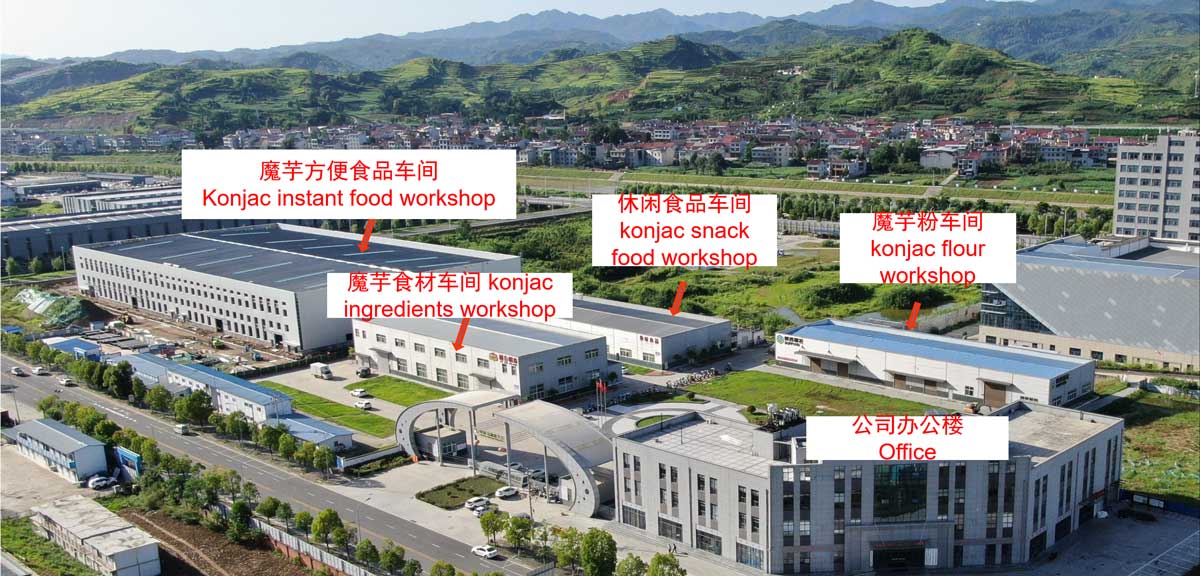
We offer full-process customized services from product design, R&D to manufacturing. We support customers to independently define product formulas, specifications, packaging and process flows according to their own needs, and we are responsible for production implementation to help customers create exclusive branded products.

We provide one-stop professional foreign trade export services, covering customs declaration, inspection, international logistics, document processing and other full-link services. We support two trade terms: FOB (Free On Board) and CIF (Cost, Insurance and Freight), and offer various international freight solutions such as door-to-port and port-to-port to ensure safe and on-time delivery of goods to global destinations.

We carry out joint R&D cooperation with enterprises in different industries, integrating the technical, resource and market advantages of both parties to jointly develop innovative products. Focusing on the fields of healthy food and functional ingredients, we create differentiated products that meet new market demands through cross-border technology integration and formula innovation.

We provide full-link support for brand marketing and communication, including market research, brand positioning, content planning, and online & offline promotion planning. Combining industry trends with customer brand characteristics, we develop precise promotion strategies to enhance product visibility and market share.
Successful positioning in the Halal konjac noodles market requires differentiation across multiple dimensions. Premium brands emphasize superior texture and taste achieved through proprietary processing methods, extensive R&D investment, and quality ingredient sourcing. Mid-market brands compete on value proposition, offering Halal-certified konjac noodles at accessible price points while maintaining acceptable quality standards. Economy brands focus on basic functionality and broad distribution, making konjac noodles available to price-sensitive consumers.
Beyond price positioning, brands differentiate through specialized product offerings such as organic konjac noodles, fortified varieties with added nutrients, authentic regional flavors, and convenient ready-to-eat formats. Packaging innovation plays a crucial role, with successful brands investing in attractive, informative packaging that communicates Halal certification, health benefits, and usage instructions clearly. Sustainability credentials, including eco-friendly packaging and ethical sourcing practices, increasingly influence purchasing decisions among educated Muslim consumers who view environmental stewardship as aligned with Islamic values.
Despite growing awareness, many potential consumers in the Halal market remain unfamiliar with konjac noodles or harbor misconceptions about their taste, texture, and preparation methods. Effective market development requires sustained consumer education initiatives that address these knowledge gaps and build confidence in the product category. Successful strategies include cooking demonstrations at retail locations, recipe development partnerships with popular Halal food bloggers and influencers, instructional video content distributed through social media platforms, and sampling programs that allow consumers to experience the product firsthand.
Healthcare professional endorsements provide powerful credibility, particularly when registered dietitians, nutritionists, and doctors within Muslim communities recommend konjac noodles for specific health conditions. Brands that invest in clinical studies demonstrating the health benefits of konjac consumption can leverage these findings in marketing communications, building scientific credibility that resonates with educated consumers. Participation in Halal food exhibitions, trade shows, and community events creates opportunities for direct consumer engagement and brand building within target markets.
Explore our comprehensive selection of zero konjac noodles and related products, all certified Halal