86+09153618258
Leave Your Message
-
Contact Phone
-
 Contact Email
Transforming the convenience food landscape with health-conscious, innovative konjac-based solutions
The global instant convenience food market has witnessed a remarkable transformation over the past decade, with zero konjac noodles emerging as a revolutionary category that addresses the growing consumer demand for healthier alternatives. Valued at approximately $15.8 billion in 2024, the instant noodle segment is experiencing a paradigm shift as health-conscious consumers seek low-calorie, high-fiber options without compromising convenience.
Zero konjac noodles, derived from the konjac plant (Amorphophallus konjac), contain virtually zero calories and are rich in glucomannan fiber. This unique nutritional profile has positioned them as a disruptive innovation in the instant food sector, particularly appealing to consumers following ketogenic, low-carb, or weight management diets. The commercial adoption of konjac noodles in instant food formats has accelerated significantly, with major food manufacturers and emerging brands alike investing in product development and distribution channels.
Key Market Drivers: The surge in demand for zero konjac noodles is fueled by increasing obesity rates, rising health awareness, the popularity of plant-based diets, and the need for convenient meal solutions that align with modern lifestyle requirements. Asia-Pacific regions, particularly China, Japan, and South Korea, represent the largest markets, while North American and European markets are experiencing rapid growth rates exceeding 18% annually.
The konjac noodle industry is experiencing rapid technological advancement, with manufacturers investing heavily in production automation, quality control systems, and innovative processing techniques. Advanced extrusion technology has enabled the creation of konjac noodles with improved texture profiles that closely mimic traditional wheat-based noodles, addressing one of the primary consumer concerns about konjac products.
Smart packaging solutions incorporating QR codes for nutritional tracking, oxygen absorbers for extended freshness, and microwavable containers are becoming standard features. Additionally, the integration of blockchain technology for supply chain transparency is gaining traction, particularly for export-oriented manufacturers seeking to build consumer trust in international markets.
Leading konjac noodle manufacturers are pursuing aggressive international expansion strategies, targeting markets in Southeast Asia, the Middle East, Europe, and North America. The acquisition of HALAL, Kosher, and organic certifications has become essential for accessing diverse consumer segments. Strategic partnerships with international distributors, e-commerce platforms, and retail chains are facilitating market penetration.
The growing popularity of Asian cuisine globally, combined with the wellness trend, has created unprecedented opportunities for konjac noodle brands. Export volumes from major producing countries like China have increased by over 35% year-over-year, with premium product lines commanding higher margins in developed markets.
Emerging Trends: Functional konjac noodles fortified with proteins, vitamins, and probiotics; fusion flavor profiles combining Eastern and Western culinary traditions; sustainable packaging solutions using biodegradable materials; subscription-based direct-to-consumer models; and AI-driven personalized nutrition recommendations.
Food Service & Catering Industry: Large-scale catering operations, including hospitals, universities, corporate cafeterias, and airline catering services, are increasingly incorporating zero konjac noodles into their menu offerings. The product's long shelf life, minimal storage requirements, and quick preparation time make it ideal for high-volume food service environments. Hospitals particularly value konjac noodles for diabetic and weight management patient meal plans.
Restaurant & Quick Service Chains: Fast-casual dining establishments and health-focused restaurant chains are featuring konjac noodles as a base ingredient for customizable bowl concepts, stir-fries, and soup dishes. The ability to offer "zero-calorie noodle" options provides a competitive differentiation point and appeals to health-conscious diners willing to pay premium prices.
Ready Meal Manufacturing: Prepared meal manufacturers are utilizing konjac noodle blanks as a key ingredient in frozen and chilled ready-to-eat products. The noodles' ability to maintain texture integrity through freezing and reheating cycles makes them particularly suitable for this application. Major retailers' private label healthy meal ranges increasingly feature konjac-based products.
E-commerce & Direct-to-Consumer: Online retail channels have become the primary growth driver for konjac noodle brands, with specialized health food e-tailers, major marketplace platforms, and brand-owned websites facilitating direct consumer access. Subscription box services featuring monthly konjac noodle variety packs have gained significant traction, particularly among millennials and Gen Z consumers.
Specialty Health Food Stores: Organic markets, health food chains, and specialty Asian grocery stores serve as important distribution channels, offering premium konjac noodle products with unique flavor profiles and artisanal preparation methods. These retail environments allow for customer education and sampling, which are crucial for converting first-time buyers.
Mainstream Supermarket Integration: The migration of konjac noodles from specialty health food sections to mainstream pasta and instant noodle aisles represents a significant market maturation milestone. Major supermarket chains are dedicating increased shelf space to low-calorie noodle alternatives, reflecting growing consumer demand and category expansion.
Gyms, fitness centers, and wellness retreats are incorporating konjac noodles into their nutritional programs and on-site café offerings. Personal trainers and nutritionists frequently recommend konjac products to clients pursuing weight loss or body composition goals. The fitness industry's endorsement has significantly elevated konjac noodles' profile among health-conscious consumers.
Dietitians and healthcare professionals increasingly prescribe konjac noodles for patients managing diabetes, obesity, cardiovascular disease, and digestive disorders. The high glucomannan content supports blood sugar regulation, cholesterol management, and digestive health, making konjac noodles a functional food with therapeutic applications beyond basic nutrition.
Modern konjac noodle manufacturing facilities employ state-of-the-art production lines capable of processing thousands of kilograms daily. The production process begins with high-purity konjac flour extraction, followed by precise hydration, alkaline treatment, molding, and sterilization stages. Advanced automation systems ensure consistent product quality, minimize human error, and optimize production efficiency.
Temperature-controlled processing environments, automated quality inspection systems using machine vision technology, and real-time monitoring of critical control points ensure that every batch meets stringent quality standards. Leading manufacturers have achieved production efficiency improvements of over 40% through Industry 4.0 technologies including IoT sensors, predictive maintenance systems, and data analytics platforms.
Comprehensive quality management systems encompassing raw material traceability, in-process monitoring, and finished product testing ensure consistent safety and quality. Third-party laboratory testing for microbiological parameters, heavy metals, pesticide residues, and nutritional composition verification is standard practice among reputable manufacturers.
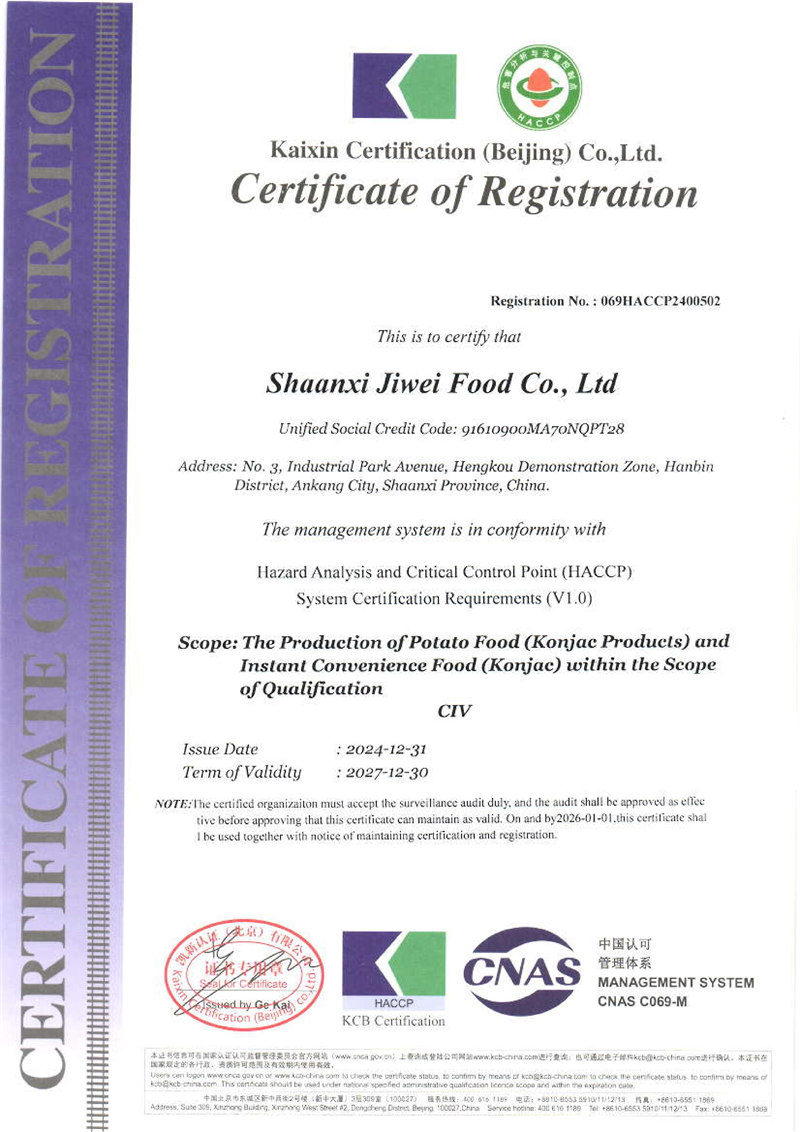
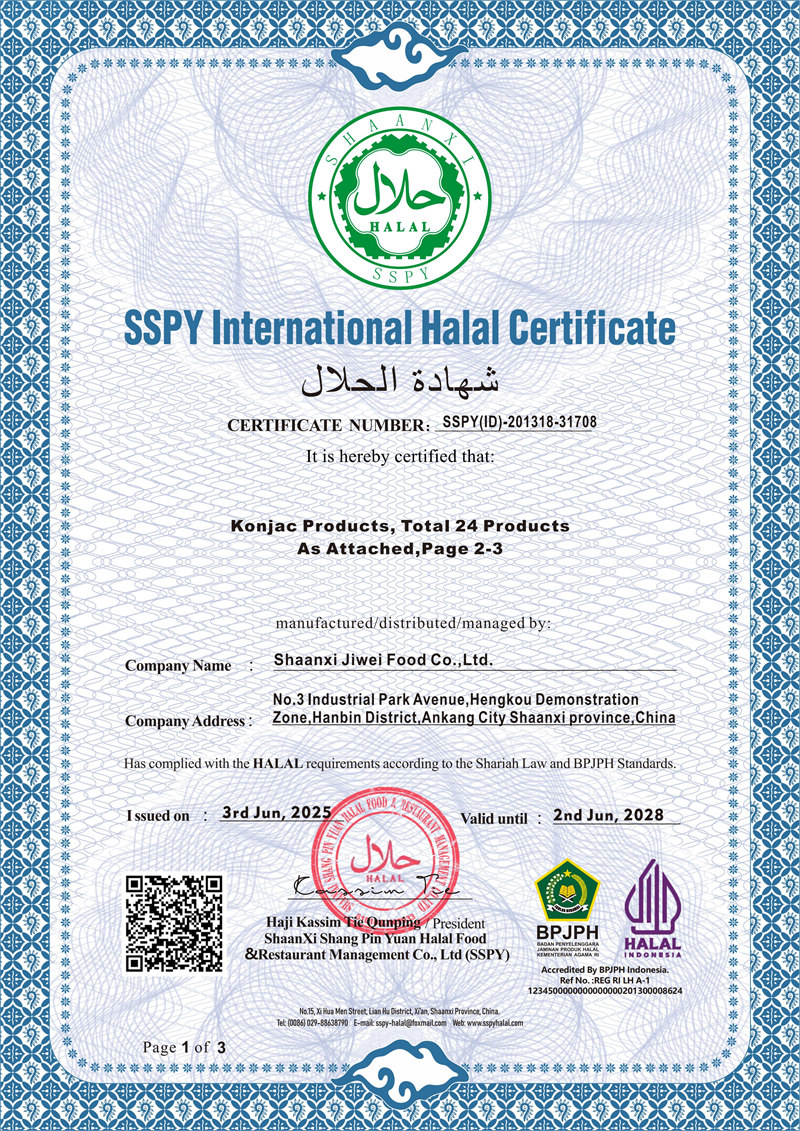
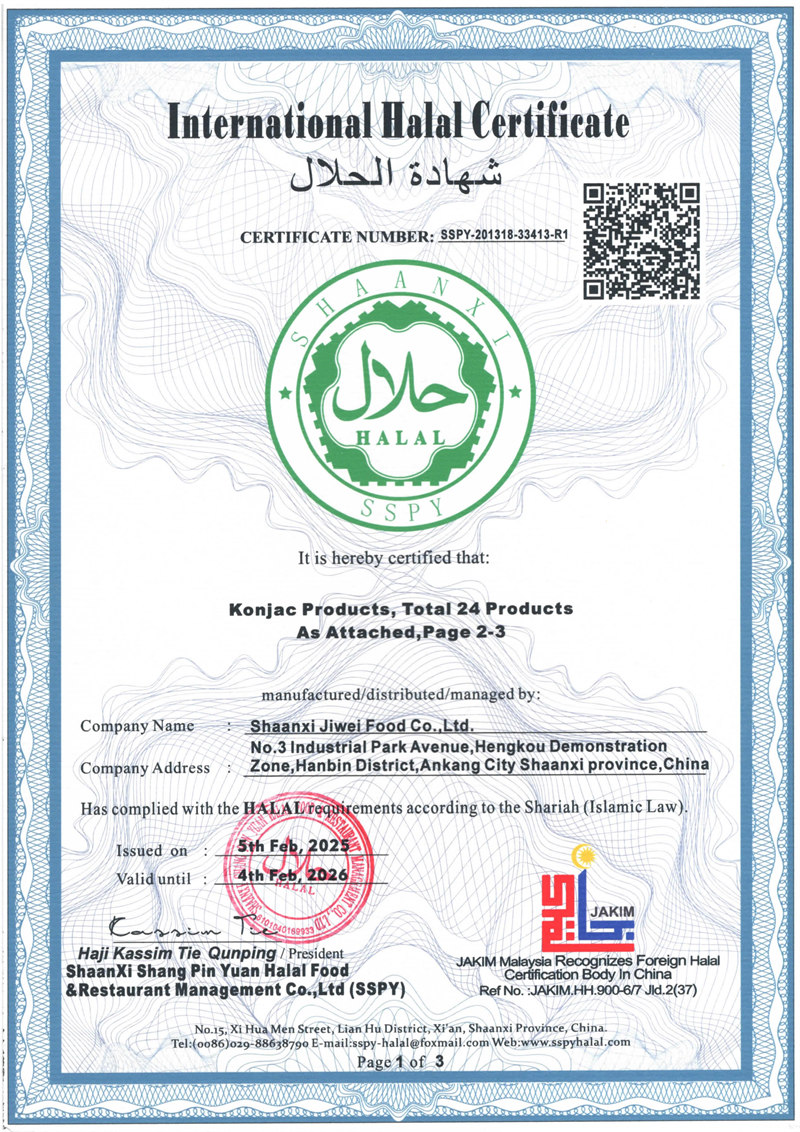
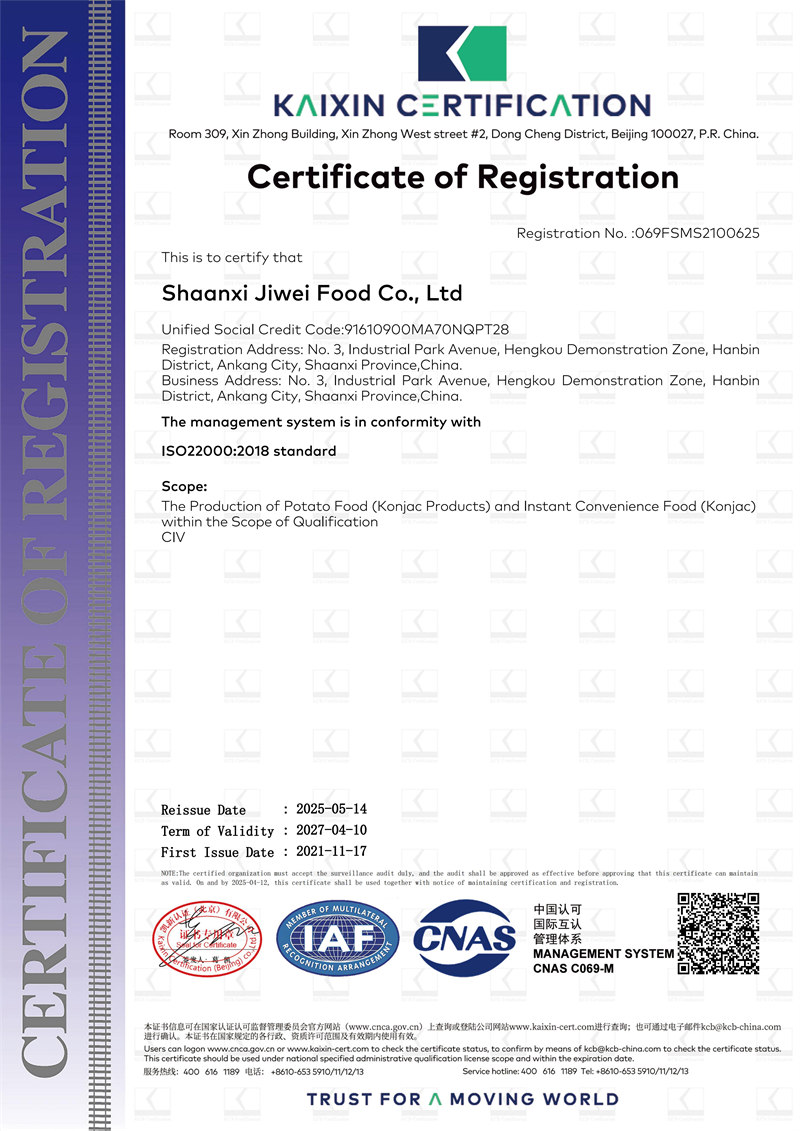
International certifications including ISO 22000, HACCP, HALAL, Kosher, organic certifications, and country-specific food safety registrations enable market access across diverse geographical regions. These certifications not only ensure regulatory compliance but also serve as powerful marketing tools that build consumer confidence and brand credibility.
Shaanxi Jiwei Food Co., Ltd.

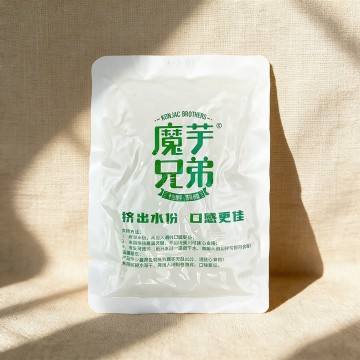
As a leading enterprise in the field of deep processing of konjac, the company has formed three core product systems: konjac snack foods, konjac catering ingredients and konjac convenience foods. Its products are sold well throughout the country and exported to overseas markets.
The company's brand "Konjac Brothers" adheres to the corporate mission of "developing the konjac industry and promoting scientific diet". Relying on its independently developed patented technology and advanced production system, it continuously develops innovative products that meet modern health needs.
By establishing a three-in-one quality control system of "raw material traceability + process monitoring + finished product inspection", and strictly implementing international certification standards such as ISO22000, HALAL, and HACCP, we ensure quality assurance throughout the entire process from the source to the terminal.
——KONJAC BROTHERS
the product has been exported to countries such as South Korea, Malaysia, Thailand and Singapore.
It passed the Malaysia International Halal Certification and HACCP Certification;
A deep cooperation was formed with Bai caowei, Opening the path of international enterprise cooperation;
We collaborated with UniPresident Group to develop konjac snacks, with an annual output value of over 200 million yuan for leisure food;
It was awarded as a high-tech enterprise in Shaanxi Province;
The company obtained ISO 22000 certification;
In cooperation with Yuan qi company, the company truly Moved towards quality management;
The company's first box of Konjac Brothers products went offline. On June 9, Konjac Brothers entered the CRV vanguard system in Shaanxi, and successively arrived in Chongqing, Henan and Hebei;
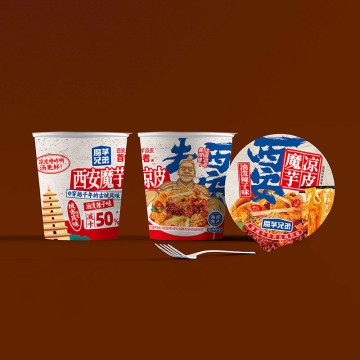
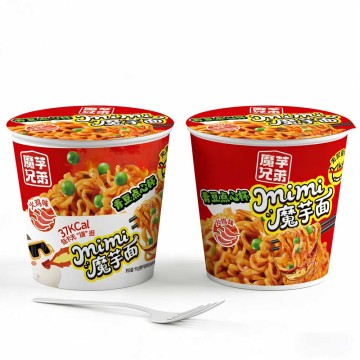
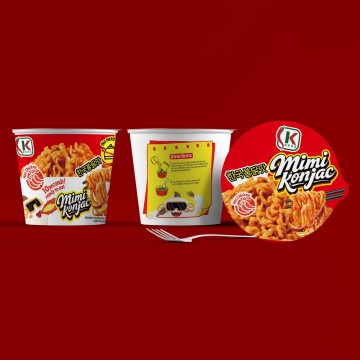
Comprehensive range of instant convenience konjac noodle solutions