86+09153618258
Leave Your Message
-
Contact Phone
-
 Contact Email
Explore our premium, low-carb functional products tailored for direct consumption and health-conscious retail channels.
The global health food industry is undergoing a paradigm shift, driven by consumer demand for low-carbohydrate, high-fiber, and functional food options. The ketogenic (Keto) diet, characterized by low-carb and high-fat consumption, has transitioned from a niche dietary trend to a dominant lifestyle choice. In this metabolic ecosystem, Zero Konjac Noodles have emerged as a critical innovation, resolving the primary challenge of the keto lifestyle: satisfying the universal craving for noodle-based comfort foods without triggering blood sugar spikes or disrupting ketosis.
Derived from the tuber of the Amorphophallus konjac plant, konjac noodles are composed almost entirely of water and glucomannan—a highly viscous, soluble dietary fiber. With zero net carbohydrates, negligible calories, and a low glycemic index, konjac products represent the ultimate functional food ingredient. For B2B food manufacturers, distributors, and brands, leveraging konjac technology is key to capturing market share in the rapidly expanding weight management and diabetic-friendly food sectors.
Glucomannan absorbs up to 50 times its weight in water, creating a highly viscous gel in the digestive tract. This slows gastric emptying, promotes prolonged satiety, and supports gut microbiome health through the production of short-chain fatty acids (SCFAs).
From an industrial perspective, the manufacturing of konjac noodles has evolved from traditional, artisanal shirataki methods to advanced, high-throughput food extrusion technologies. Modern processing facilities utilize automated production lines to refine konjac flour, eliminate the characteristic alkaline odor, and produce various shapes—such as knots, angel hair, fettuccine, and crisps—that match the texture of traditional wheat pasta.
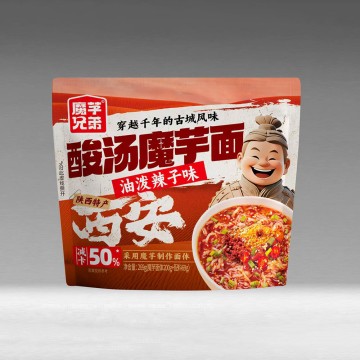
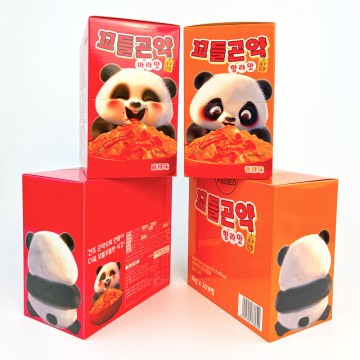
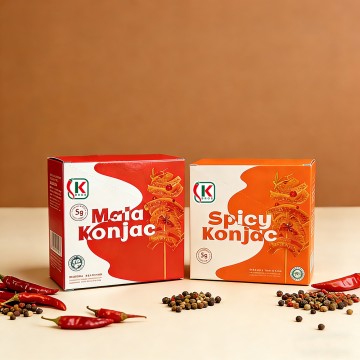
For B2B buyers, sourcing from certified factories in China, the world's leading region for konjac cultivation and processing, ensures both cost-efficiency and compliance with global food safety standards. Brands can implement private-label (OEM/ODM) strategies to customize packaging, noodle textures, and flavor profiles (such as Halal-certified spicy hot chicken or rich tomato broths) to meet localized market demands.
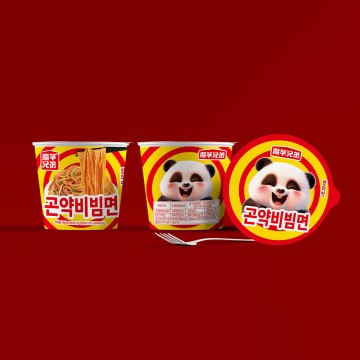
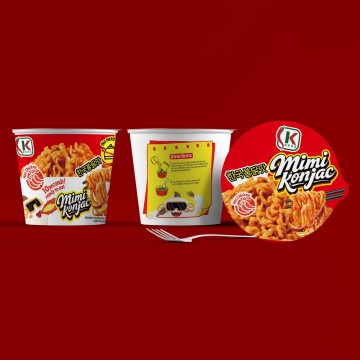
Furthermore, the integration of konjac into ready-to-eat (RTE) meal kits and instant cup noodles addresses the consumer need for convenience, expanding the market reach beyond specialty health stores into mainstream supermarkets and convenience stores.
Analyzing how different industries integrate zero-carb konjac solutions into their product development portfolios.
Food tech companies and meal delivery brands use konjac noodles as the primary carbohydrate replacement in pre-packaged, shelf-stable, or frozen keto meals. Because konjac noodles do not become soggy or lose their structural integrity when stored in sauces, they are ideal for long-shelf-life applications.
Hospitals, diabetic care centers, and senior living facilities incorporate low-GI konjac products into their menus. This helps manage patient glycemic levels while providing comforting, high-fiber meals that support digestive health and mitigate insulin response.
Fitness centers, weight-loss clinics, and sports nutrition brands distribute konjac-based snacks and noodles. These products help athletes and individuals undergoing calorie restriction achieve satiety without consuming excess energy, optimizing fat-burning phases.
Historically, the adoption of konjac noodles was limited by their gelatinous texture and fishy alkaline aroma. However, modern R&D has developed advanced washing, pH adjustment, and thermal processing techniques that yield neutral-tasting, firm-textured noodles. This allows them to absorb the flavors of accompanying sauces—such as savory sesame pastes, spicy hot chicken, or rich tomato broths—providing an eating experience that closely mimics traditional wheat-based pasta.
This technical evolution is crucial for B2B brands looking to market to mainstream consumers who prioritize taste and texture alongside health benefits. By utilizing customized starch blends (such as oat fiber or tapioca additions), manufacturers can fine-tune the chewiness and bite of the noodles to align with regional consumer preferences.
Partner with us to leverage our comprehensive manufacturing capabilities, R&D expertise, and global supply chain networks.
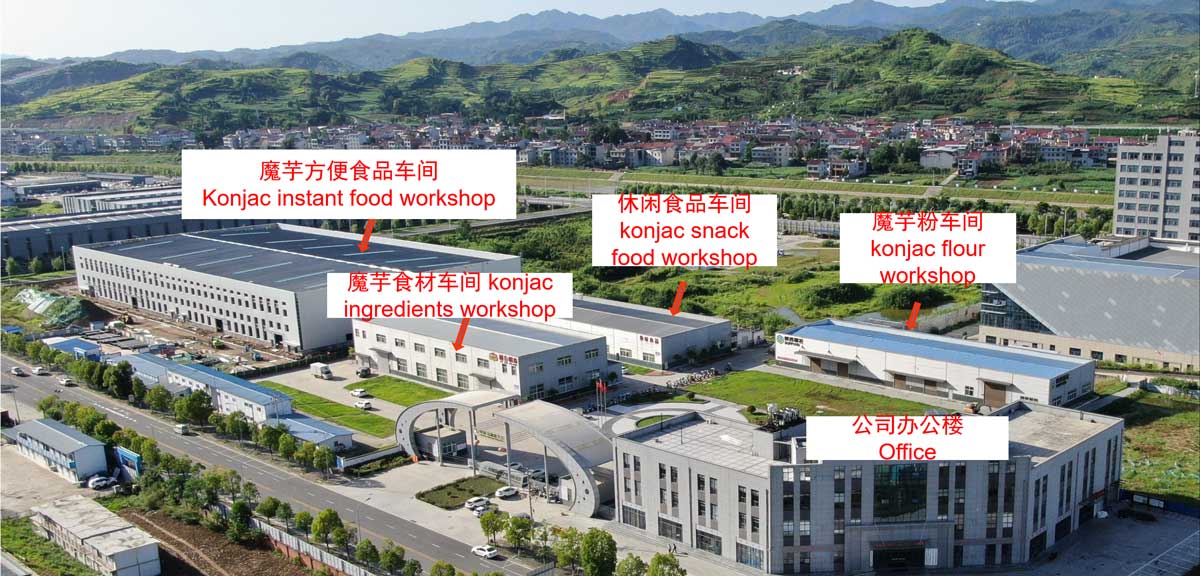



As the keto and low-carb food sectors mature, several key trends are shaping the future of konjac product development:
Staying ahead of these trends allows brands to differentiate their offerings and maintain high margins in a competitive retail environment.
Exporting food products globally requires strict adherence to international safety and dietary certifications. Our manufacturing facilities are equipped to meet these stringent requirements, providing:
We ensure compliance with Halal, Kosher, HACCP, ISO 22000, and FDA standards. This guarantees that our products can seamlessly enter major markets, including North America, Europe, Southeast Asia, and the Middle East, without regulatory delays.
By offering flexible shipping terms (FOB, CIF) and robust logistics support, we handle the complexities of customs clearance and international transport, ensuring that your inventory is replenished reliably and on time.
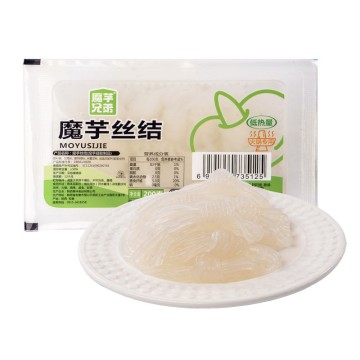
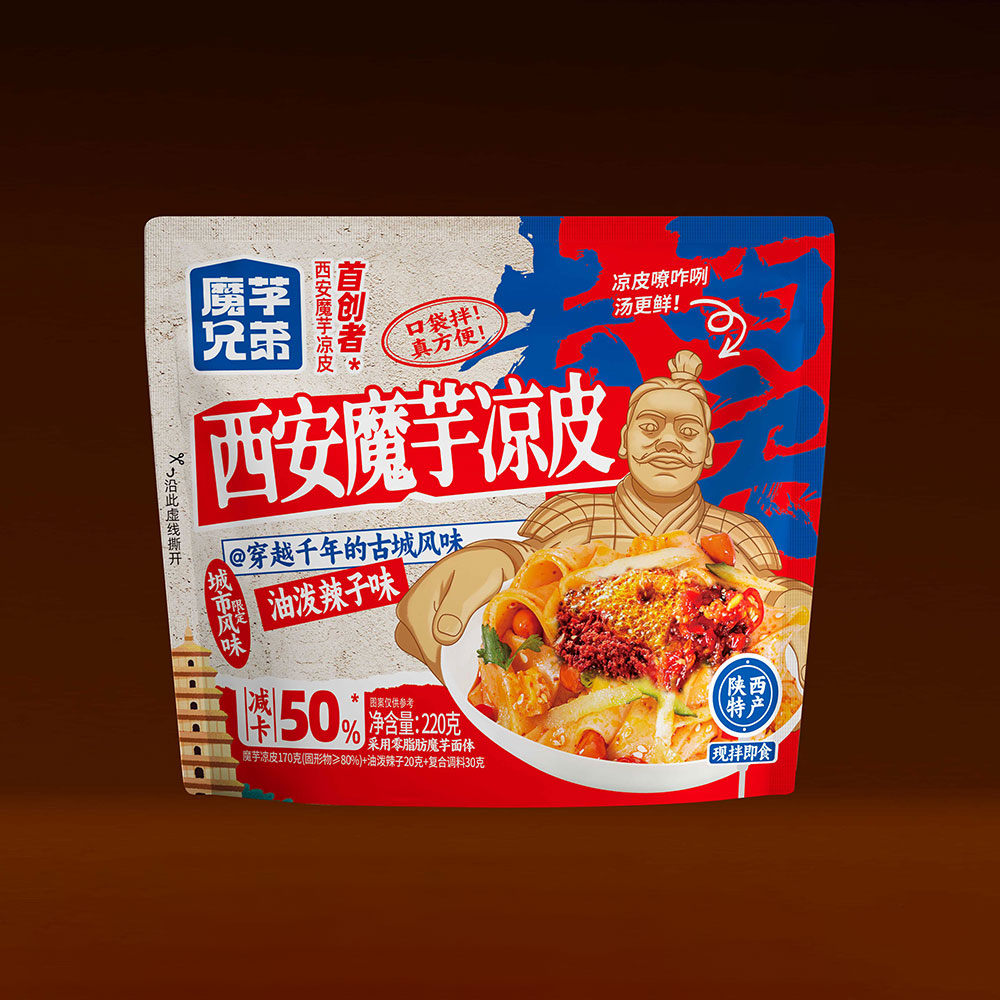
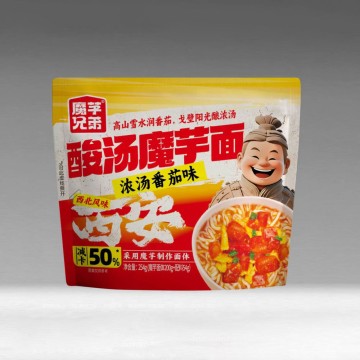
Discover our complete range of low-carb noodles, knots, cold dishes, and crispy snacks designed for ketogenic lifestyles.