86+09153618258
Leave Your Message
-
Contact Phone
-
 Contact Email
The contemporary dairy sector stands at an unprecedented inflection point. As consumer preferences shift decisively toward reduced caloric density, lower carbohydrate loads, ketogenic compatibility, and transparent clean labels, traditional dairy thickeners face mounting industrial scrutiny. Historically, manufacturers have relied on chemically modified food starches, gelatin, carrageenan, and synthetic gums to impart viscosity, body, and mouthfeel to low-fat or non-fat dairy formulations. However, these conventional agents carry notable drawbacks, including high carbohydrate loads, allergenic triggers, non-vegan designations, or controversial gastrointestinal profiles.
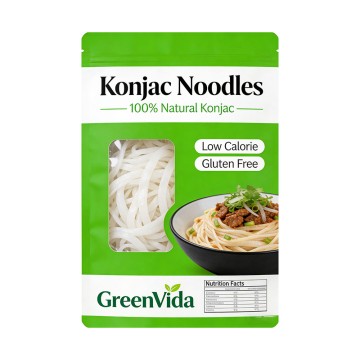
In this challenging formulation environment, Zero Konjac Noodles and Konjac Glucomannan (KGM) matrices have emerged as revolutionary multi-functional solutions. Originating from the tuber of Amorphophallus konjac, konjac hydrocolloids offer the highest water-binding capacity and viscosity among all known dietary fibers—absorbing up to 50 to 100 times their dry weight in water. When processed into zero-calorie dietary formats such as calibrated micro-cut noodles, shredded inclusions, or soluble glucomannan fractions, konjac demonstrates unparalleled efficacy as both a continuous-phase thickening agent and an insoluble textural inclusion in complex dairy emulsions.
Replicates the smooth rheological slip and lubricity of milk fat globules without adding digestible calories, enabling ultra-low-fat yogurts with rich sensory profiles.
Interacts dynamically with kappa-casein and native whey proteins to inhibit syneresis (whey separation) and reinforce the three-dimensional gel structure under shear.
Withstands standard High-Temperature Short-Time (HTST) and Ultra-High Temperature (UHT) processing parameters without thermal degradation or viscosity collapse.
Commercial dairy processors in North America, Europe, and Asia-Pacific are actively redesigning their ingredient decks. Modern consumers deliberately scrutinize the nutrition facts panel for total carbohydrates, added sugars, and stabilizer sources. Utilizing zero konjac noodles and purified konjac extracts allows dairy processors to achieve "zero net carb," "keto-friendly," and "high-fiber" packaging claims while maintaining the rich, velvety texture traditionally delivered only by whole milk and heavy cream.
Konjac glucomannan is a high-molecular-weight neutral polysaccharide composed of β-(1→4)-linked D-mannose and D-glucose residues in an approximate molar ratio of 1.6:1, with random O-acetyl groups located along the polymer backbone (roughly one acetyl branch per 9 to 19 sugar units). This unique molecular architecture dictates its exceptional solubility, immense hydration velocity, and thermal stability in aqueous milk suspensions.
In cultured and fermented dairy applications, such as stirred Greek yogurts, skyr, and cultured buttermilk, syneresis represents a principal cause of consumer rejection and perceived quality loss over extended refrigerated shelf life. The inclusion of konjac polysaccharide networks forms a dense, high-capillary hydro-matrix that immobilizes free water molecules. Because KGM possesses substantial hydrogen bonding potential, it restricts the thermodynamic mobility of whey fluid within the casein micellar matrix, drastically suppressing syneresis even under temperature fluctuations during cold-chain logistics.
Dairy products thickened with zero konjac systems exhibit pronounced pseudoplastic (shear-thinning) rheology. At rest and during packaging storage, the polymer chains remain tangled, offering high zero-shear viscosity that maintains particulate suspension (e.g., fruit purees, protein beads, or konjac chewable bits). When consumed, the shear rates applied inside the oral cavity (approximately 50 to 100 s-1) cause immediate chain alignment along flow streamlines. This triggers an instantaneous viscosity drop, mimicking the melting and coating sensation of premium dairy fats rather than creating a gummy, pasty, or slimy mouthfeel often associated with inferior hydrocolloids.
| Stabilizer Attribute | Standard Modified Corn Starch | Gelatin (Bovine / Porcine) | Carrageenan (Kappa/Iota) | Zero Konjac Glucomannan System |
|---|---|---|---|---|
| Caloric Contribution | 4.0 kcal/g (High Starch) | 4.0 kcal/g (Protein) | Minimal ( | 0 to 0.2 kcal/g (Functional Fiber) |
| Hydration Viscosity | Requires Thermal Gelatinization | Requires Heat & Chill Cycle | Requires Cation Induction (Ca2+, K+) | Rapid Cold/Warm Water Hydration |
| Clean-Label & Dietary Status | Chemically Synthesized / E-number | Non-Vegetarian / Non-Halal/Kosher friction | Consumer clean-label sensitivity | 100% Plant-Derived, Vegan, Halal, Kosher |
| Syneresis Control Efficiency | Moderate (Retrogradation risk) | High (Melts at body temp) | Moderate (Brittleness risk) | Outstanding (Irreversible capillary binding) |
| Dairy Protein Compatibility | Neutral, physical entrapment | Blends with milk proteins | High ionic binding (aggregates easily) | Strong steric stabilization with casein |
A burgeoning industrial innovation involves using konjac both in its dispersed macromolecular phase (as soluble flour for viscosity build) and in its structured hydrogel phase (as pre-formed Zero Konjac Noodles, shredded fibers, or micro-cubes). In applications like functional dairy desserts, bubble teas, high-protein drinkable puddings, and ready-to-drink (RTD) meal replacements, zero konjac noodles provide an invigorating textural bite (al dente resilience) alongside zero glycemic load, creating dynamic, multi-textural consumer experiences.
In low-fat and non-fat yogurts, the removal of milk fat undermines body, gloss, and creaminess. Introducing pre-hydrated konjac flour at inclusion levels between 0.08% and 0.25% w/w bridges casein clusters, creating an uninterrupted colloidal continuum. Furthermore, when blended with probiotic cultures (such as Lactobacillus acidophilus and Bifidobacterium animalis), konjac glucomannan acts as a fermentable prebiotic substrate, elevating the survival rate of live cultures through the gastric tract.
Ready-to-Drink high-protein milk beverages formulated with whey protein isolate (WPI), micellar casein, or milk protein concentrate (MPC) frequently suffer from protein sedimentation, chalky mouthfeel, and phase separation over time. Zero konjac systems provide steric stabilization and yield stress control, holding heavy protein aggregates in stable suspension without causing excessive fluid thickness during high-throughput bottling.
Processed cheese spreads require consistent emulsification of water and oil phases under thermal stress. Konjac hydrocolloids form a resilient elastic network that locks in free moisture, preventing oil-off and moisture release during melting cycles. For spreadable cream cheese preparations, konjac provides spreadability directly from the refrigerator while maintaining firm body at ambient display temperatures.
During the freezing and hardening stages of ice cream manufacture, water crystallization can degrade sensory texture into an icy, coarse structure. Konjac binds up to 100 times its mass in water, decreasing the volume of free-freezing water molecules and restricting ice crystal growth throughout repeated freeze-thaw cycles during distribution. The result is a richer overrun, higher scoop elasticity, and a slower, cleaner melt profile.
The global phenomenon of Asian-style milk teas and boba beverages has spurred dairy processors to bottle shelf-stable dairy-tea fusions. Traditional tapioca pearls present severe challenges: they harden in cold milk, turn soggy over shelf life, and carry enormous starch-derived caloric penalties. Zero Konjac Noodles and pearl beads, engineered through alkaline deacetylation, remain crisp, chewy, and chemically stable in liquid milk matrices across a 12-month ambient shelf life without dissolving or clouding the dairy serum.
Shaanxi Jiwei Food Co., Ltd. was founded in 2018 and is a professional konjac food enterprise integrating konjac planting, research and development, production and sales.
The company has a registered capital of 50 million yuan, covers an area of over 50 mu, and possesses 30,000 square meters of standardized workshops and 3 automated konjac food production lines, thus building a complete industrial chain from konjac planting to deep processing.
Empowered by cutting-edge automated processing systems and stringent raw material sourcing from the fertile Qinba Mountain region, Jiwei Food stands as a global innovator delivering consistent, highly standardized konjac solutions to food manufacturing sectors worldwide.
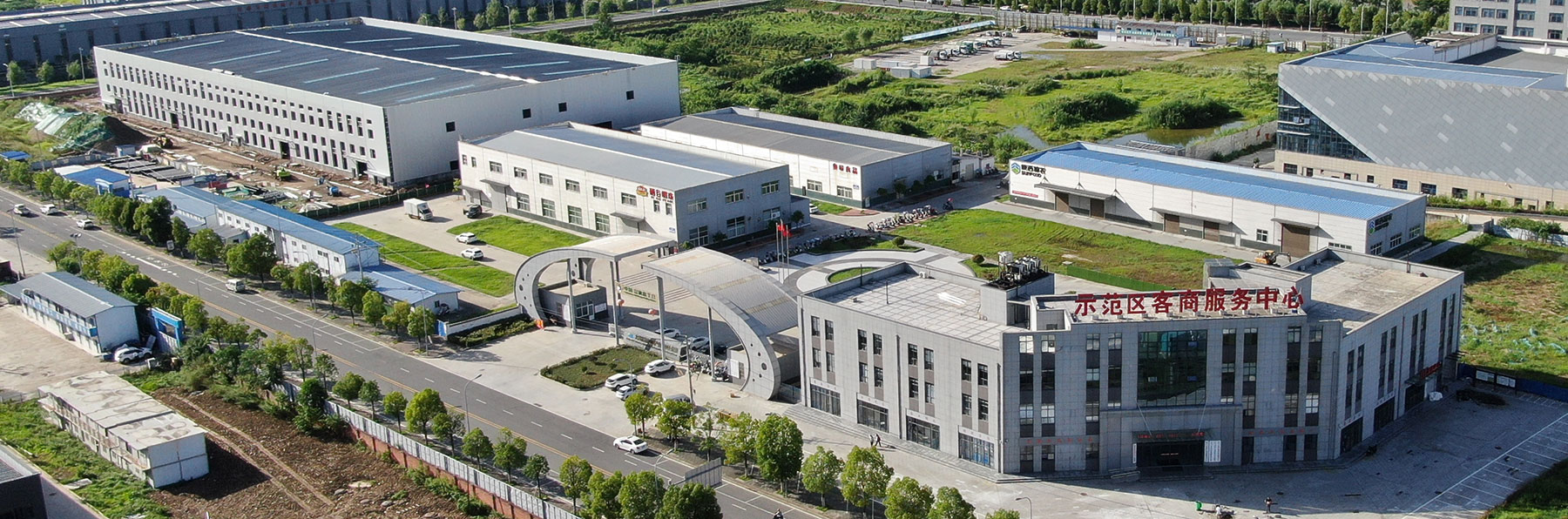
Its product line covers multiple niche scenarios both online and offline, meeting the diverse needs of consumers of different age groups.
As a leading enterprise in the field of deep processing of konjac, the company has formed three core product systems: konjac snack foods, konjac catering ingredients and konjac convenience foods. Its products are sold well throughout the country and exported to overseas markets.
The company's brand "Konjac Brothers" adheres to the corporate mission of "developing the konjac industry and promoting scientific diet". Relying on its independently developed patented technology and advanced production system, it continuously develops innovative products that meet modern health needs.
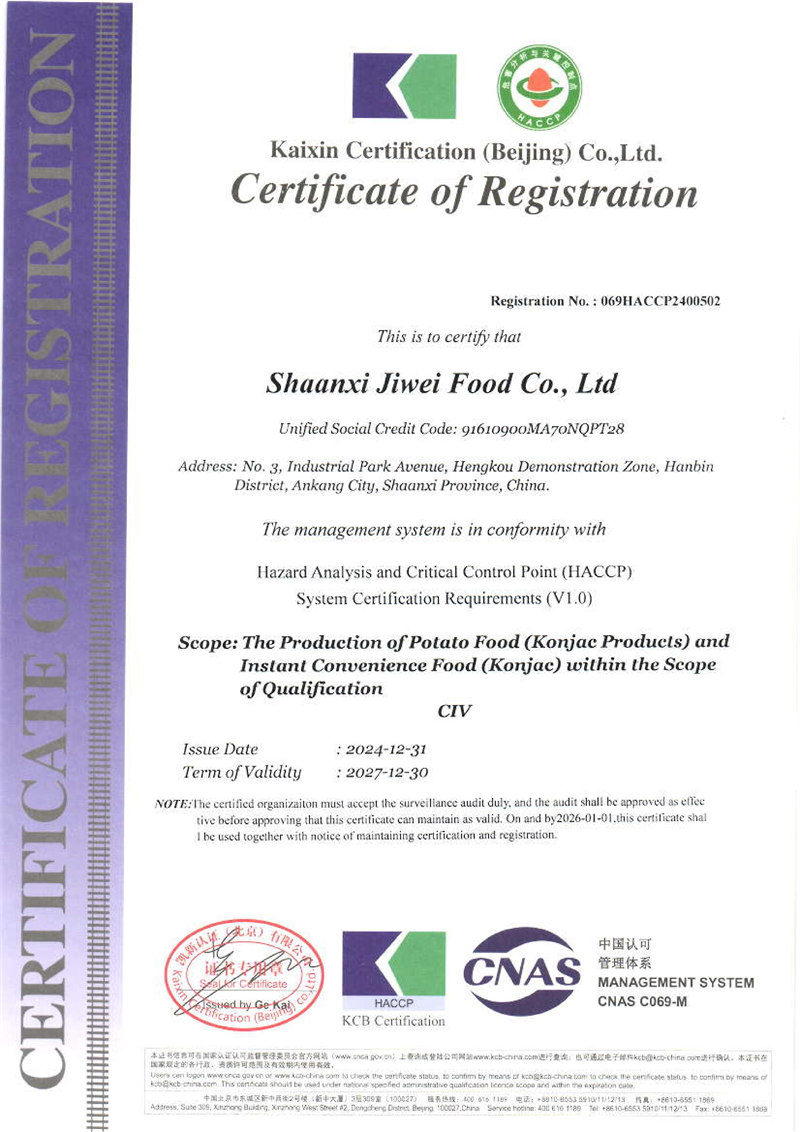
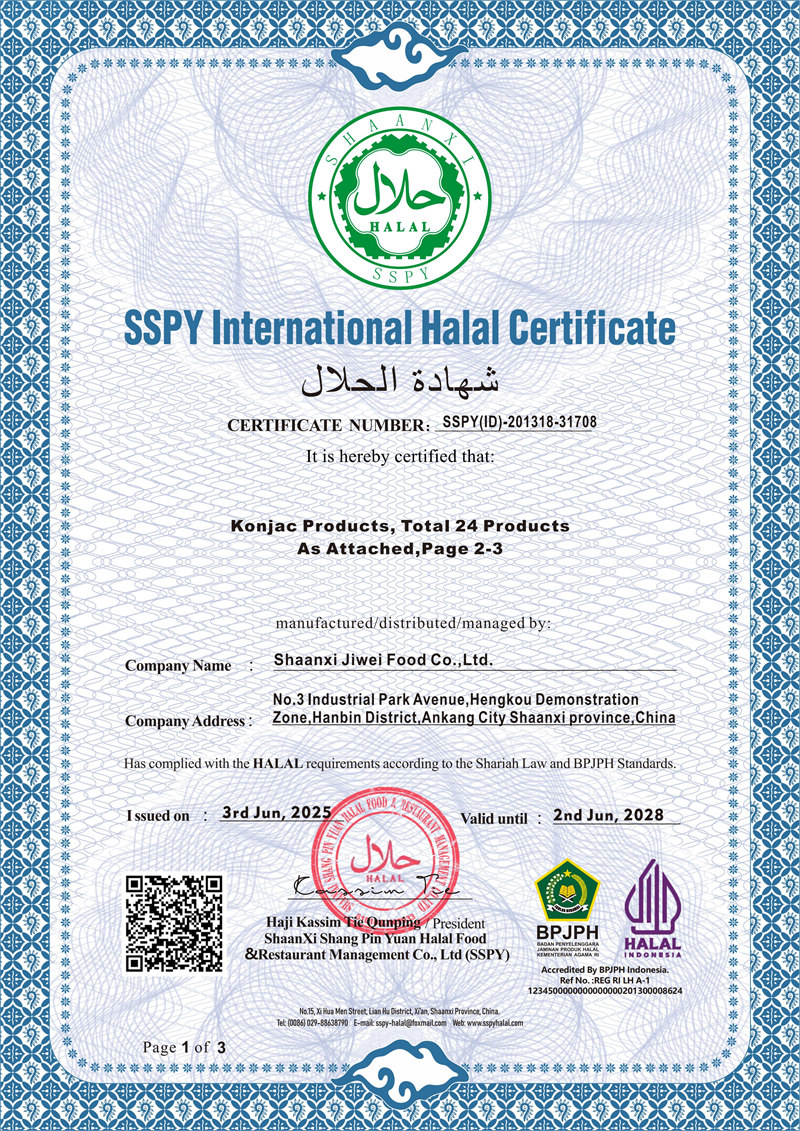
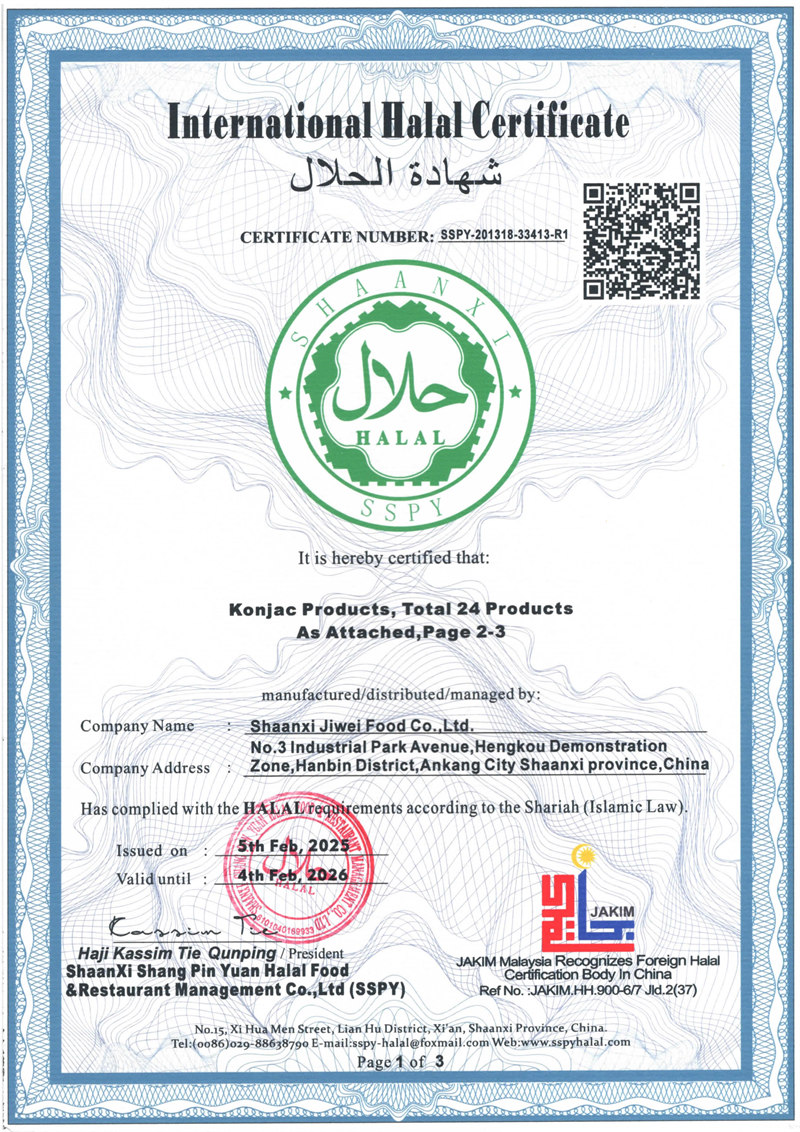
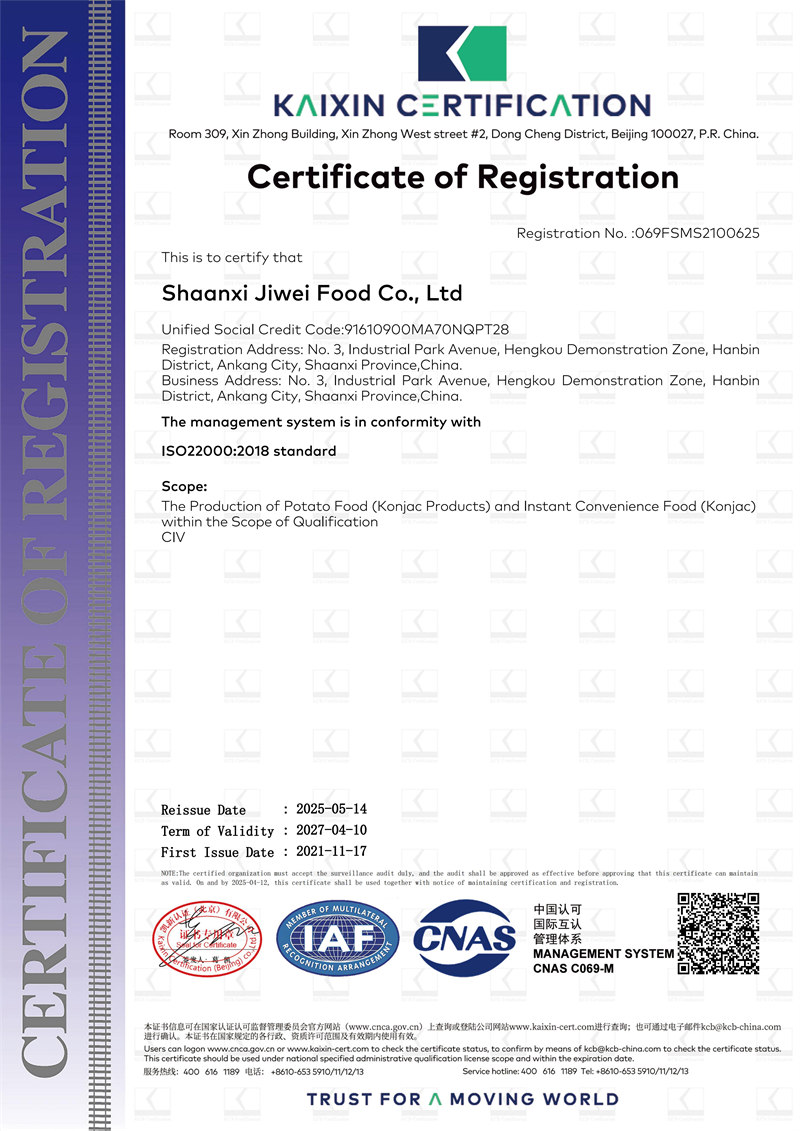
By establishing a three-in-one quality control system of "raw material traceability + process monitoring + finished product inspection", and strictly implementing international certification standards such as ISO22000, HALAL, and HACCP, we ensure quality assurance throughout the entire process from the source to the terminal.
—— KONJAC BROTHERS
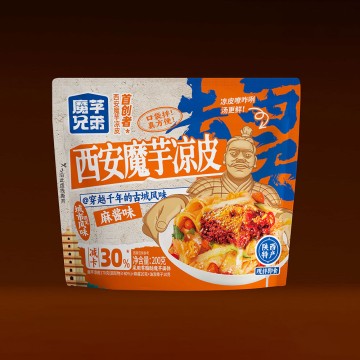
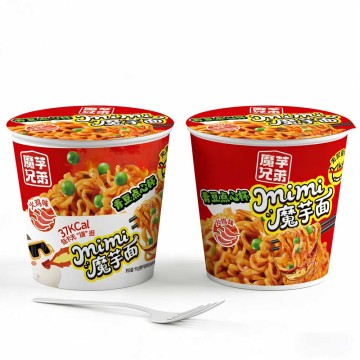
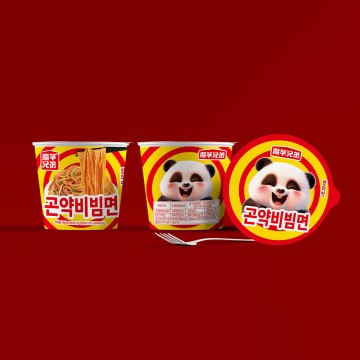
Konjac Brothers is a core proprietary brand under Shaanxi Jiwei Food Co., Ltd. It has also registered an independent overseas trademark – KONJAC BROTHERS, abbreviated as K-Brand. With over a decade of development, the brand has evolved a diverse product portfolio covering multiple categories of konjac products, including konjac leisure snacks, konjac instant foods, konjac ingredients, and konjac powder raw materials.
Adhering to the core positioning of "Specialized in Konjac, Reliable in Quality", Konjac Brothers takes "Developing the konjac industry, boosting the local economy, and contributing to a Healthy China" as its brand mission. We are committed to crafting premium products with dedication and providing sincere services to customers.
In recent years, the brand has maintained robust growth momentum, with its products successfully exported to Southeast Asian markets including Thailand, South Korea, and Malaysia. Looking forward, we are committed to bringing our konjac products to the global stage.
A decade of industrial milestones, technological breakthroughs, and progressive globalization in modern food manufacturing.
Internationally validated certifications verifying strict compliance with ISO22000, HACCP, Halal, and high-tech quality parameters.
The convergence of plant-based nutrition and conventional dairy science has precipitated the rise of "hybrid dairy" products—formulations blending dairy milk proteins with oat, almond, pea, or coconut lipids. However, maintaining thermodynamic stability across mixed animal-plant protein-polysaccharide phases is notoriously difficult. Phase separation, depletion flocculation, and sediment compaction commonly occur within weeks of bottling.
Zero konjac ingredients solve this thermodynamic conundrum by acting as neutral macromolecular spacers. Because KGM does not carry strong ionic charges under acidic dairy pH conditions (unlike carrageenan or sodium alginate which can violently precipitate with whey proteins below their isoelectric point), it offers non-ionic steric stabilization. This property secures extended ambient and refrigerated stability for innovative oat-dairy hybrid lattes, high-fiber milk drinks, and prebiotic fermented milks.