86+09153618258
Leave Your Message
-
Contact Phone
-
 Contact Email
The global weight loss and meal replacement market has witnessed unprecedented growth over the past decade, with consumers increasingly seeking convenient, effective, and health-conscious alternatives to traditional dietary options. Among the most revolutionary products to emerge in this space are zero konjac noodles—a low-calorie, high-fiber food derived from the konjac plant (Amorphophallus konjac). These innovative noodles have transformed the landscape of weight management solutions, offering a guilt-free alternative that doesn't compromise on taste or satisfaction.
Zero konjac noodles contain virtually no calories—typically ranging from 5 to 20 calories per serving—making them an ideal choice for individuals pursuing weight loss goals. The primary component, glucomannan, is a water-soluble dietary fiber that expands in the stomach, creating a feeling of fullness that naturally reduces overall calorie intake. This unique physiological response has positioned konjac noodles as a cornerstone product in the meal replacement sector, particularly for those following ketogenic, low-carb, or calorie-restricted diets.
The commercial market for zero konjac noodles has experienced exponential growth, with industry analysts projecting a compound annual growth rate (CAGR) of 8.5% through 2030. This surge is driven by increasing obesity rates worldwide, growing health consciousness among millennials and Gen Z consumers, and the rising popularity of plant-based diets. Major retailers across North America, Europe, and Asia have expanded their konjac product offerings, with dedicated shelf space in health food sections and online platforms reporting significant sales increases year-over-year.
The industrial production of zero konjac noodles has evolved significantly from traditional methods. Modern manufacturing facilities employ advanced processing technologies that ensure consistent quality, improved texture, and extended shelf life. The production process involves harvesting konjac corms, extracting glucomannan, and utilizing alkaline coagulation techniques to form noodle structures. Innovations in processing have addressed early consumer concerns about texture and odor, resulting in products that closely mimic traditional pasta while maintaining their zero-calorie profile.
Leading manufacturers have invested heavily in supply chain optimization, establishing direct relationships with konjac farmers in China, Japan, and Southeast Asia—the primary cultivation regions. This vertical integration ensures quality control from farm to finished product while maintaining competitive pricing. The industry has also seen the emergence of specialized suppliers focusing exclusively on konjac-based products, creating a robust ecosystem that supports both B2B and B2C distribution channels.
Zero konjac noodles have transcended their role as simple meal replacements to become integral components of comprehensive weight management programs. Nutritionists and dietitians increasingly incorporate these products into customized meal plans, recognizing their ability to facilitate calorie deficit without triggering hunger signals that often derail weight loss efforts. Clinical studies have demonstrated that regular consumption of konjac-based foods can lead to significant reductions in body weight, body mass index (BMI), and waist circumference over 12-week periods.
Multiple peer-reviewed studies have confirmed the efficacy of glucomannan in promoting satiety and supporting weight loss. Research published in the American Journal of Clinical Nutrition demonstrated that participants consuming glucomannan supplements experienced greater weight loss compared to placebo groups, with minimal adverse effects.
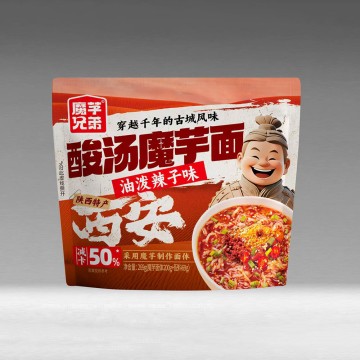
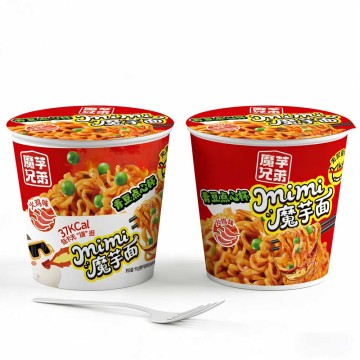
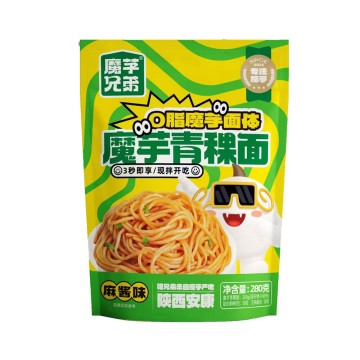
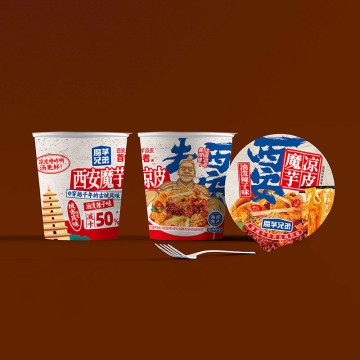
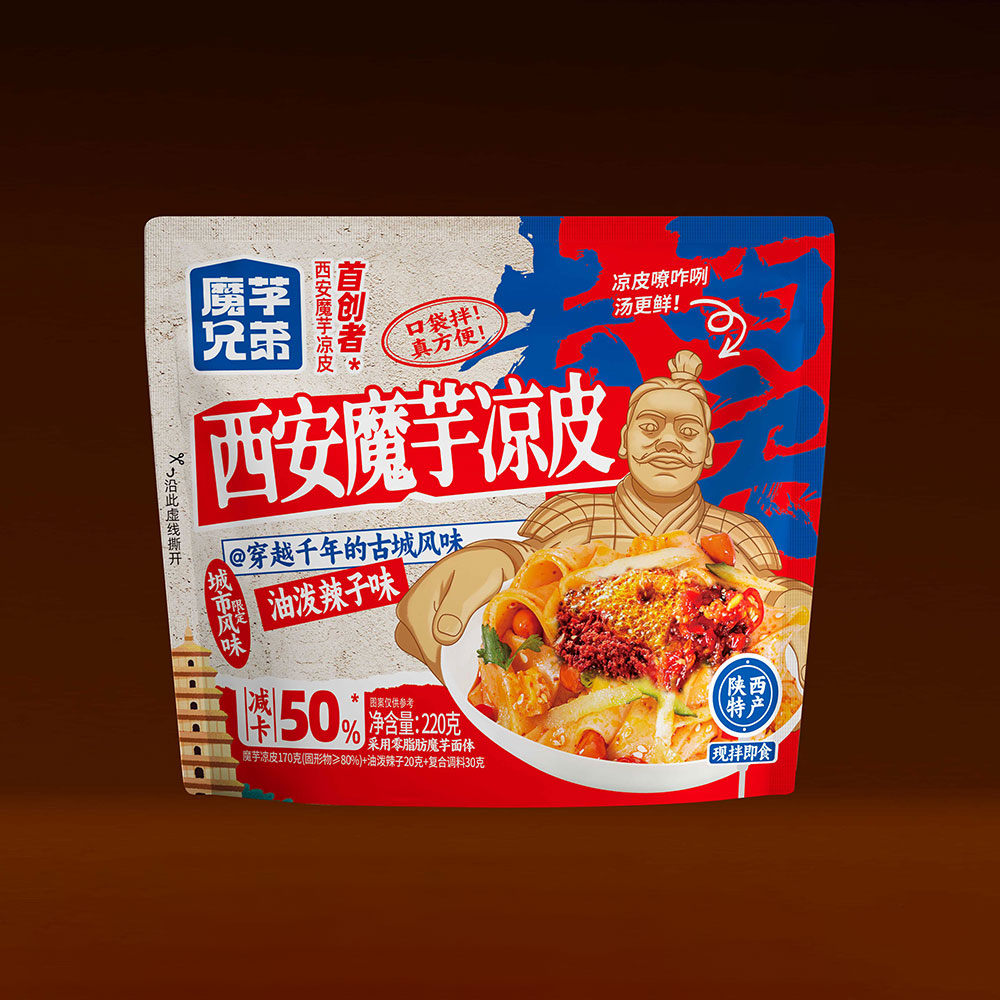
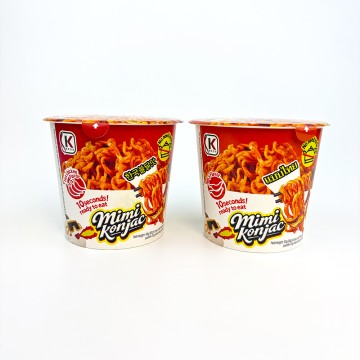
The konjac noodle industry has responded to consumer demand for variety by developing an extensive range of flavors, textures, and formats. Beyond traditional plain noodles, manufacturers now offer products infused with natural ingredients such as spinach, turmeric, and seaweed, adding nutritional value and visual appeal. Ready-to-eat meal kits featuring konjac noodles with gourmet sauces, vegetables, and protein sources have become particularly popular among busy professionals seeking convenient, healthy lunch options.
Premium product lines have emerged targeting specific dietary preferences, including organic certifications, non-GMO verification, and compatibility with paleo and vegan lifestyles. Some manufacturers have developed hybrid products combining konjac with other low-calorie ingredients like highland barley, creating enhanced nutritional profiles while maintaining the core benefits of traditional konjac noodles. These innovations demonstrate the industry's commitment to continuous improvement and market responsiveness.
The commercial success of zero konjac noodles has been significantly amplified by strategic digital marketing initiatives and e-commerce platforms. Social media influencers specializing in health, fitness, and nutrition have become powerful advocates, sharing transformation stories and recipe ideas that resonate with millions of followers. User-generated content showcasing creative meal preparations has organically expanded brand awareness and consumer trust.
Online sales channels now account for over 60% of total konjac noodle purchases in developed markets. Subscription-based models offering monthly deliveries have proven particularly successful, providing consumers with convenience while ensuring recurring revenue for manufacturers. Amazon, specialty health food websites, and direct-to-consumer platforms have all reported strong performance in this category.
Despite impressive growth, the zero konjac noodle industry faces several challenges. Consumer education remains critical, as many potential customers are unfamiliar with the product's unique characteristics and preparation methods. Some first-time users report dissatisfaction due to improper cooking techniques or unrealistic expectations regarding texture. Industry leaders have addressed these concerns through comprehensive instructional content, including video tutorials, recipe books, and customer support services.
Sustainability concerns related to konjac cultivation and processing have also emerged. Progressive manufacturers are implementing eco-friendly practices, including water conservation measures, biodegradable packaging solutions, and carbon-neutral shipping options. These initiatives not only address environmental concerns but also appeal to the growing segment of environmentally conscious consumers who prioritize sustainability in purchasing decisions.
The future of zero konjac noodles in the weight loss meal replacement sector appears exceptionally promising. Industry experts anticipate several key developments: increased integration with digital health platforms and fitness apps that track nutritional intake; expansion into institutional foodservice sectors including hospitals, corporate cafeterias, and educational institutions; and continued product innovation focusing on enhanced taste profiles and nutritional fortification.
Emerging markets in Latin America, Africa, and the Middle East represent significant growth opportunities as health awareness increases and distribution networks expand. Manufacturers are developing region-specific products that incorporate local flavors and culinary traditions, facilitating market penetration and consumer acceptance. The convergence of health technology, personalized nutrition, and convenient meal solutions positions zero konjac noodles as a foundational element in the future of weight management.
Healthcare professionals increasingly recommend zero konjac noodles as part of medically supervised weight loss programs. Bariatric specialists, in particular, have found these products valuable for post-surgery patients who require low-calorie, high-fiber foods that support healing while preventing nutritional deficiencies. The medical community's endorsement has significantly enhanced product credibility and expanded market reach beyond traditional health food consumers.
As the market matures, regulatory frameworks governing konjac noodle production and marketing have become more stringent. The FDA, European Food Safety Authority (EFSA), and equivalent agencies in other jurisdictions have established guidelines regarding labeling claims, manufacturing standards, and safety protocols. Reputable manufacturers view these regulations as opportunities to differentiate themselves through compliance and transparency, building consumer confidence in an increasingly competitive marketplace.
Third-party certifications such as HACCP, ISO 22000, and BRC Global Standards have become industry benchmarks, with leading brands prominently displaying these credentials in marketing materials. This emphasis on quality assurance addresses consumer concerns about product safety and efficacy, particularly important given the international nature of konjac supply chains.
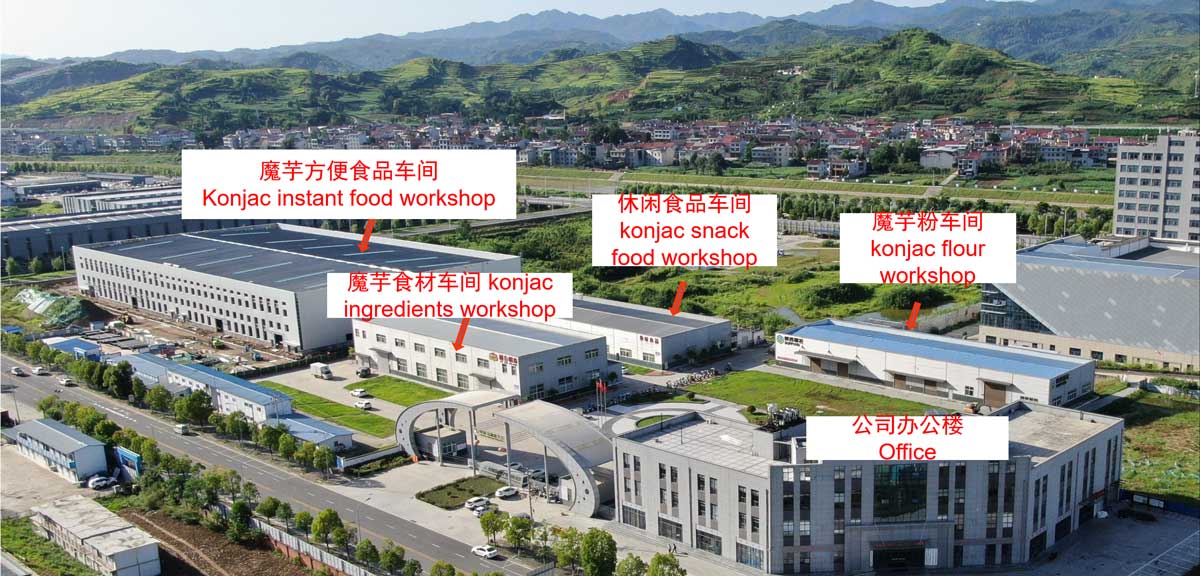
We offer full-process customized services from product design, R&D to manufacturing. We support customers to independently define product formulas, specifications, packaging and process flows according to their own needs, and we are responsible for production implementation to help customers create exclusive branded products.
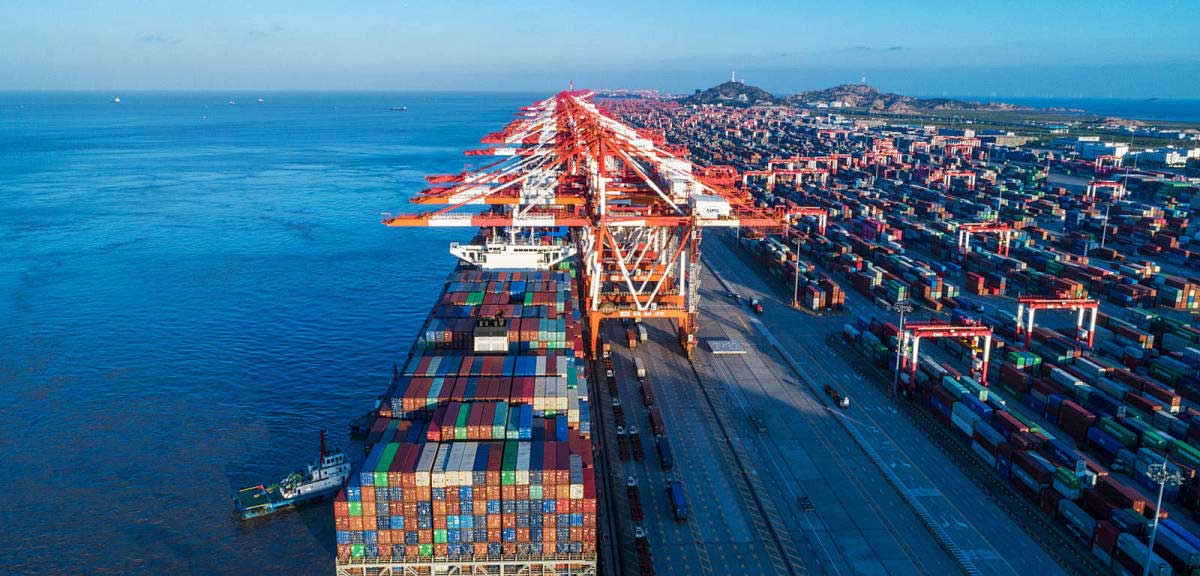
We provide one-stop professional foreign trade export services, covering customs declaration, inspection, international logistics, document processing and other full-link services. We support two trade terms: FOB (Free On Board) and CIF (Cost, Insurance and Freight), and offer various international freight solutions such as door-to-port and port-to-port to ensure safe and on-time delivery of goods to global destinations.

We carry out joint R&D cooperation with enterprises in different industries, integrating the technical, resource and market advantages of both parties to jointly develop innovative products. Focusing on the fields of healthy food and functional ingredients, we create differentiated products that meet new market demands through cross-border technology integration and formula innovation.

We provide full-link support for brand marketing and communication, including market research, brand positioning, content planning, and online & offline promotion planning. Combining industry trends with customer brand characteristics, we develop precise promotion strategies to enhance product visibility and market share.