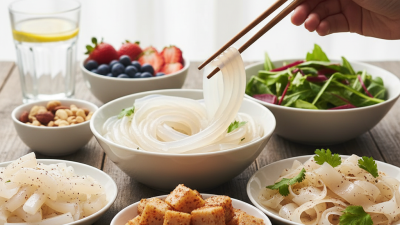
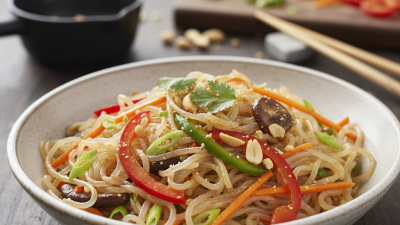
You know, in the ever-changing world of health foods, those boxed konjac slices are starting to really catch people's attention. I read what Dr. Emily Chen, a well-known industry expert, says—she describes these slices as a pretty cool, low-calorie option that health-conscious folks are gonna love. As more folks get interested, it’s pretty important to know who the main manufacturers are in China to keep up.
Looking ahead to 2026, the big players like Green Life and Konjac Foods are really pushing the limits. They’ve got a variety of options that you can use in so many different recipes. Each brand seems to have its own thing going on, which honestly can get pretty overwhelming when you’re trying to pick the best one.
But yeah, it’s not all smooth sailing. There are still some issues—mainly with quality control. Sometimes the products aren’t consistent, and that can be frustrating. Plus, a lot of people still don’t really understand how to get the most out of these konjac slices. Spotting these gaps in knowledge could help folks make smarter choices and maybe lead to healthier eating habits overall.

Overview of Konjac Slices and Their Popularity in China
Konjac slices have gained significant popularity in China. These slices are made from the konjac plant, known for its high fiber content. Many people are drawn to konjac slices due to their unique texture and low-calorie profile. They are often used in various dishes, from salads to stir-fries. The rising health consciousness in society has boosted demand.
However, not all konjac products are created equal. Consumers sometimes struggle to find quality options. Transparency in sourcing and production is often lacking. Misleading labels can make shopping confusing. Some konjac slices may not have the authentic texture that enthusiasts crave.
The concept of
"Konjac Knot"
adds another layer of intrigue. This term reflects the traditional use of konjac in Asian cuisines. Many people enjoy its ability to absorb flavors well. Yet, some meals may fall flat without thoughtful preparation. Exploring new recipes can be both exciting and daunting. There's room for growth in understanding this versatile ingredient.
Key Players in the Chinese OEM Konjac Slices Market
In recent years, the demand for konjac slices has surged in China. This trend highlights the increasing interest in healthy eating. Many consumers are drawn to konjac for its low calorie content. A typical serving of konjac contains minimal Konjac Kcal, making it appealing for weight management.
The landscape of Chinese OEM konjac slices manufacturers is diverse and competitive. Several key players have emerged, each offering unique products. Some focus on traditional slicing methods, while others utilize modern technology for efficiency. It's crucial for manufacturers to emphasize quality to stand out. However, ensuring consistency and safety in production can be challenging.
Understanding consumer preferences is vital in this market. Some consumers seek organic options, while others prioritize convenience. Manufacturers must adapt their strategies accordingly. There’s often a gap between consumer expectations and actual offerings. This disconnect can lead to dissatisfaction. Overall, navigating the OEM konjac market requires flexibility and awareness.
2026 Top China OEM Boxed Konjac Slices Manufacturers What to Know? - Key Players in the Chinese OEM Konjac Slices Market
| Manufacturer Type |
Annual Production (Ton) |
Market Share (%) |
Export Regions |
Key Features |
| Type A |
5000 |
25 |
Asia, Europe |
Organic, Non-GMO |
| Type B |
8000 |
30 |
North America, Asia |
Low Calorie, Vegan |
| Type C |
6000 |
20 |
Europe, Australia |
Gluten-Free, High Fiber |
| Type D |
4000 |
15 |
Asia, Africa |
Sustainably Sourced |
| Type E |
7000 |
10 |
Worldwide |
Natural Flavors |
Market Trends and Consumer Preferences in 2026
In 2026, the market for konjac slices shows significant growth. Consumers are becoming more health-conscious. They seek alternatives to traditional carbohydrates. Konjac slices fit this need perfectly. These slices are low in calories and high in fiber, making them a popular choice.
Trends indicate that consumers prefer products with clear labeling. They want to know the source and benefits of their food. Additionally, sustainability plays a vital role. Brands that prioritize eco-friendly practices tend to attract more customers. Many shoppers are willing to pay more for products with responsible sourcing.
Tips: Engage your senses when trying Konjac Rice. Its texture varies depending on preparation. Experiment with different recipes to find your favorite. Monitor consumer feedback on packaging and taste. This helps manufacturers improve their offerings. Keeping up with market preferences is crucial for success.
Production Techniques Used by Top Manufacturers
The production techniques used by top manufacturers of boxed Konjac slices are diverse. Many rely on traditional methods reinforced by modern technology. For instance, the drying process is crucial. This step preserves the texture and nutrients of konjac. High-quality slices require careful handling to maintain integrity during processing.
Consider using fresh, high-quality konjac roots to ensure a superior product. One tip is to monitor water content during production. Excess moisture can lead to spoilage. Moreover, temperature control during drying is essential. Too high a temperature can compromise flavor and nutrients.
Many manufacturers employ innovative packaging solutions to enhance shelf life. Vacuum sealing is common. It helps prevent oxidation and microbial growth. However, inconsistent sealing can lead to product failure. Producers should regularly check sealing machines. This helps maintain quality and reduces waste.
Emphasizing Konjac Carb benefits is also a key factor. These slices are low in calories and rich in fiber. They can serve as a healthy alternative in various dishes. Proper marketing of these benefits can attract health-conscious consumers.
Nutritional Benefits and Applications of Konjac Slices
Konjac slices are gaining popularity in the health food market. They are made from the konjac root, a plant native to Asia. These slices are low in calories and high in fiber. This makes them an appealing option for those looking to lose weight. Rich in glucomannan, konjac slices can help with digestion and promote a feeling of fullness.
When using konjac slices in recipes, be mindful of their texture. They can be quite chewy and may not suit every dish. However, they absorb flavors well. Consider marinating them in sauces, or adding them to stir-fries. You can create unique dishes that are both nutritious and satisfying.
**Tips:** Always rinse konjac slices before use. This helps to remove any residual odor. Pair them with vibrant vegetables for a colorful plate. Don't hesitate to experiment, but understand that perfection may take time. Trying different cooking methods can also lead to exciting discoveries. Enjoy the process of learning about this versatile ingredient.
Nutritional Benefits of Konjac Slices
Regulatory Standards for Konjac Slice Production in China
The production of konjac slices in China adheres to strict regulatory standards. These standards ensure quality and safety for consumers. The Chinese National Standards (GB) guide manufacturers in the processing and packaging of konjac products. These guidelines focus on ingredient purity, hygiene, and labeling accuracy.
Reports indicate that the konjac market in China is projected to grow at a CAGR of 6.5% over the next five years. This signals an increase in demand for konjac slices, often used in health foods and vegan recipes. However, manufacturers must remain vigilant about fluctuating regulations. Non-compliance can lead to recalls or shutdowns.
Tips: Always check for compliance certification before purchasing. Understand the health benefits attributed to konjac slices, like their dietary fiber content. Producers should ensure their sourcing is transparent and their processes are environmentally safe. It's essential to reflect on the sourcing practices of raw materials. Regular audits can help maintain high standards.
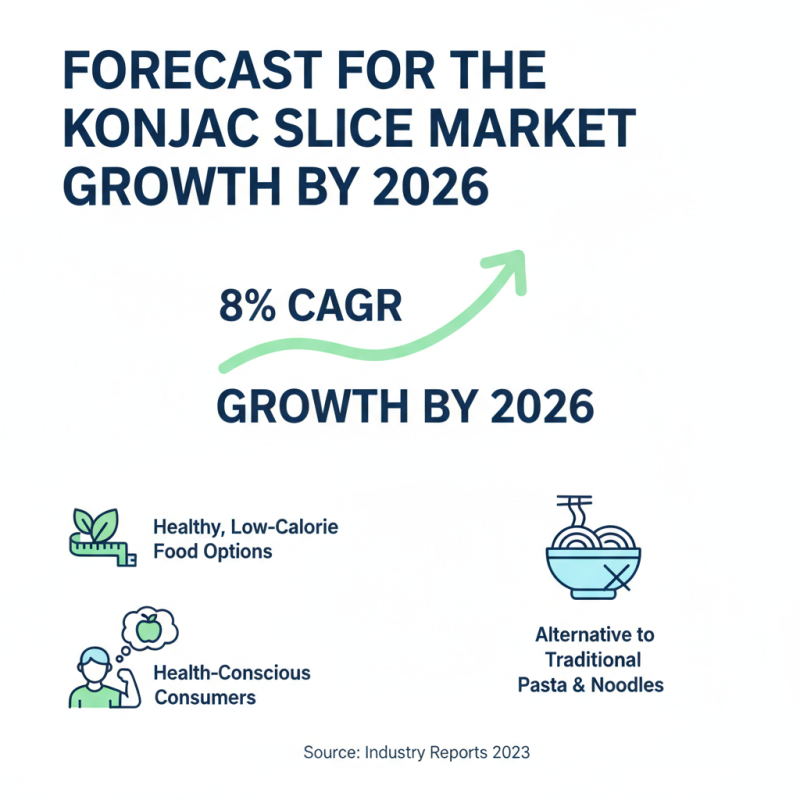
Forecast for the Konjac Slice Market Growth by 2026
The konjac slice market is poised for substantial growth by 2026. Recent industry reports forecast a compound annual growth rate (CAGR) of around 8% over the next few years. The increasing popularity of healthy, low-calorie food options is a driving factor. Consumers are more health-conscious. They seek alternatives to traditional pasta and noodles.
In particular, the demand for konjac slices in vegan and gluten-free diets is on the rise. According to market analysis, North America and Europe are projected to be significant regions for growth. However, challenges may arise. Supply chain disruptions and fluctuating raw material costs could impact manufacturers. Not all companies are well-prepared for these uncertainties.
Additionally, companies must focus on innovation. There’s a need for new flavors and variations to attract diverse consumers. Understanding consumer preferences will be crucial. This is an area that some manufacturers struggle with. Engaging with customers could lead to better product offerings. The path to 2026 is filled with opportunities, yet it requires careful navigation.
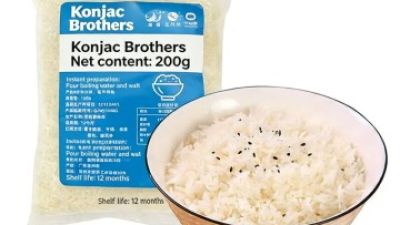
Exploring the Dietary Benefits and Market Growth of 200g Instant Konjac Rice: A Deep Dive into the Low-Calorie Food Trend
The rising trend of low-calorie foods has led to an upsurge in the popularity of instant konjac rice, known for its unique dietary benefits. Derived from the konjac root, this zero-calorie alternative is not only gluten-free but also rich in dietary fiber, making it an ideal choice for weight management and digestive health. According to a recent market analysis, the global konjac food market is projected to grow at a CAGR of over 8% through 2026, reflecting the increasing consumer demand for healthier meal options that do not compromise on taste.
Instant konjac rice provides a practical solution for those looking to maintain a balanced diet without the excess calories typically found in traditional rice. With a net weight of 200g per bag and a shelf life of 12 months, this product caters to busy lifestyles by offering quick preparation while ensuring nutritional value. Its packaging is designed for convenience, featuring a resealable, food-grade plastic that is BPA-free, allowing consumers to enjoy fresh portions over time. Sourced from dedicated konjac planting bases, the rice exemplifies a commitment to quality, fueling the continuing interest in plant-based, low-calorie alternatives.
As consumers become increasingly health-conscious, the adoption of such innovative food products signals a shift towards more mindful eating habits. The dietary benefits of konjac rice, combined with its ease of use, position it not only as a staple for existing health enthusiasts but also as an attractive option for those new to the low-calorie lifestyle. Data suggests that sustained education on the advantages of incorporating konjac rice into meals could further accelerate its market growth and consumer acceptance in a competitive food landscape.
FAQS
: Konjac slices come from the konjac plant. They are high in fiber and low in calories.
Many people seek healthy food options. The unique texture appeals to a growing health-conscious audience.
People use konjac slices in salads, stir-fries, and other dishes. They easily absorb flavors.
Not all konjac products are similar. Some may lack the desired texture or mislead with labels.
Yes, the market expects an 8% growth rate by 2026. Demand for health-conscious options drives this trend.
Supply chain issues and raw material costs may create challenges. Not all manufacturers are prepared for these factors.
Yes, they are increasingly popular in vegan and gluten-free diets. People seek alternatives to traditional pasta.
Companies should innovate with new flavors. They need to better understand consumer preferences for product success.
Finding quality konjac products can be challenging. Misleading labels may confuse during the shopping process.
Exploring recipes can be exciting. However, some meals may require thoughtful preparation for best results.
Conclusion
The article "2026 Top China OEM Boxed Konjac Slices Manufacturers What to Know?" provides a comprehensive overview of the rising popularity of boxed konjac slices in China. As consumer preferences lean towards healthy and low-calorie food options, konjac slices have gained traction due to their nutritional benefits. The report highlights key players in the OEM market, shedding light on lucrative production techniques employed by leading manufacturers. Additionally, it discusses market trends expected to shape consumer choices by 2026 and outlines the regulatory standards governing konjac slice production in China.
As the demand for boxed konjac slices continues to surge, the article forecasts significant market growth, driven by increasing awareness of health and wellness among consumers. It emphasizes the versatility of konjac slices in various culinary applications, making them a staple ingredient for health-conscious individuals. Overall, the article paints a promising picture of the boxed konjac slice market, indicating strong potential for expansion in the coming years.

 86+09153618258
 Contact Email