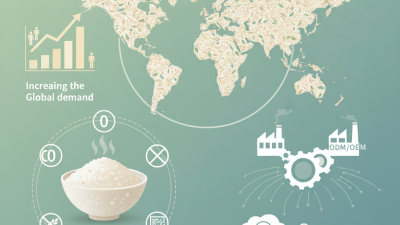
You know, the market for Konjac Zero Noodles is really booming right now. A big driver of this? People are definitely becoming more health-conscious. Recent reports show that worldwide, there's been a huge jump in demand for low-calorie, gluten-free options — and konjac products are right at the forefront. Experts are predicting the konjac market will hit about USD 1.2 billion by 2027. That’s a pretty clear sign that exporters, especially those from China, need to stay ahead of the game by innovating and adapting to this changing landscape.
Looking ahead, the 139th Canton Fair in April 2026 is shaping up to be a key event, with a big focus on modern manufacturing. It’s a perfect chance for suppliers to leverage AI-powered tools that can really simplify sourcing and business operations. The expo itself? Over 1.55 million square meters of space — so there’s a massive opportunity to showcase Konjac Zero Noodles to buyers from all over the world. But, of course, there are hurdles. Maintaining top-notch product quality and securing international certifications like ISO or CE — those are important if you want to stand out.
Trade is changing fast, and while there’s tons of opportunity, the competition out there is fierce. Exporters really need to rethink their strategies if they want to stay competitive. It’s all about ensuring that the quality of your Konjac Zero Noodles meets global standards. And remember, this whole healthy eating trend isn’t just a passing fad — it’s becoming part of everyday life. That means continual innovation and staying on top of what consumers want will be crucial for success in the food world.

Overview of Konjac Zero Noodles and Their Health Benefits
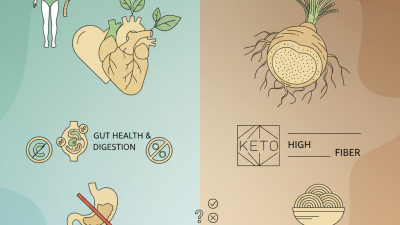
Konjac zero noodles have gained attention for their health benefits. These noodles are low in calories and high in fiber. They are primarily made from the konjac plant, which contains glucomannan. This soluble fiber can help promote feelings of fullness. Hence, it's favorable for those pursuing weight loss.
Recent data indicates that konjac products are seeing a significant rise. The global konjac market is projected to grow at a CAGR of 10% from 2022 to 2028. Consumers are becoming more health-conscious. They seek alternatives to traditional noodles. Zero Konjac Noodles fit this demand perfectly. In addition, they are gluten-free and suitable for various diets, including vegan and keto.
Despite their benefits, there are challenges. Some may find the texture of these noodles off-putting. Additionally, they require proper cooking to enhance flavor. Education on preparation methods is crucial. Many consumers may not be familiar with how to use them. The potential for growth in this sector is substantial, but awareness and culinary training are necessary to fully realize it.
Key Players in China's Konjac Zero Noodles Market
In recent years, the demand for konjac zero noodles in China has gained remarkable interest. Key players in this market are focusing on creating healthier alternatives to traditional noodles. These companies are exploring innovative production methods. They aim to meet consumer preferences for low-calorie and gluten-free products. The rise of health-conscious consumers drives this market forward.
Some manufacturers emphasize sustainability in sourcing ingredients. They are adopting eco-friendly practices to produce konjac noodles. However, challenges remain regarding the consistency of product quality. Discrepancies in texture and flavor can lead to consumer dissatisfaction. It’s crucial for these companies to refine their processes continually.
Market competition is fierce. New entrants are trying to carve a niche despite established players. Some brands struggle with brand recognition and market penetration. Others are working on effective marketing strategies to boost visibility. The ongoing trend toward plant-based diets offers both opportunities and obstacles. Players must navigate this fast-evolving landscape to succeed.
Export Statistics and Trends for Konjac Zero Noodles in China
The market for Konjac zero noodles in China has shown significant growth recently. In 2022, exports reached approximately 120 million USD, marking a 25% increase from the previous year. This growth reflects a rising global demand for low-calorie, plant-based food options. Konjac noodles attract health-conscious consumers due to their unique properties and versatility.
China's position as a top exporter influences global trends. The country accounts for about 60% of the world’s Konjac noodle supply. However, competition is intensifying. Emerging markets, such as Southeast Asia and Europe, are gradually increasing their share in this sector. This could present challenges for established exporters.
Despite the growth, the industry faces hurdles. Quality control remains a concern. Ensuring consistency in taste and texture is vital. Additionally, fluctuating raw material costs can also impact profitability. Companies must adapt to these variables to maintain their competitive edge. The future of Konjac noodle exports hinges on innovation and market adaptability.
Market Demand for Konjac Zero Noodles in Global Markets
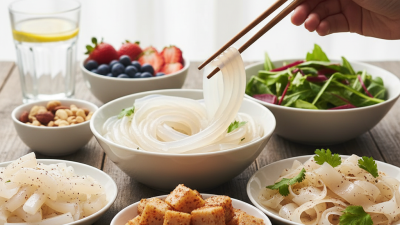
The demand for konjac zero noodles is on the rise in global markets. Consumers are seeking healthier alternatives to traditional pasta. These noodles are low in calories and rich in fiber, making them appealing to health-conscious individuals. Many people are looking to reduce carb intake and lose weight. This trend is observed in various regions, from North America to Europe and Asia.
In addition to health benefits, the versatility of konjac noodles attracts diverse cuisine enthusiasts. They can absorb flavors well, which makes them a suitable option for various dishes. The growing awareness of gluten-free diets also plays a significant role in increasing demand. However, challenges remain. Not all consumers are familiar with the texture of konjac noodles. Some find them chewy or unusual. This may deter potential new users, but education about cooking methods could bridge this gap.
Market insights show that consumers are open to trying new foods, but they need guidance. Innovative recipes and clear labeling can help demystify konjac noodles. Globally, more marketing efforts are essential to reach wider audiences. The opportunity is significant, yet the industry must address these concerns. Thoughtful strategies are needed for broader acceptance and growth in sales.
Market Demand for Konjac Zero Noodles in Global Markets
Challenges Faced by China's Konjac Zero Noodles Exporters
Exporting konjac zero noodles from China has become a complex venture. Many exporters face challenges that hinder growth. One major issue is the fluctuating demand in international markets. Consumer preferences shift rapidly, leading to uncertainty for producers. This unpredictability can result in excess inventory or shortages.
Another challenge is navigating stringent regulations. Different countries have unique requirements for food imports. These regulations can be daunting for exporters. Understanding each market's standards is crucial. Missteps can lead to delays or rejected shipments. Additionally, competition from other countries is increasing. Many are producing similar products at competitive prices. This puts pressure on Chinese exporters to innovate and reduce costs.
Exporters often struggle with supply chain management. Sourcing quality konjac and maintaining consistency is vital. Any disruption can impact product quality. Many companies need to streamline their processes. Lack of investment in technology can hinder efficiency. Emphasizing quality while keeping costs low remains a challenge.
China Top OEM Konjac Zero Noodles Exporter Insights and Market Trends
| Export Region |
Market Share (%) |
Growth Rate (2023) |
Key Challenges |
| North America |
35% |
8% |
Regulatory Compliance, Competition |
| Europe |
30% |
7% |
Sourcing Quality Ingredients, Shipping Costs |
| Asia Pacific |
25% |
10% |
Consumer Awareness, Market Penetration |
| Latin America |
5% |
5% |
Limited Distribution Channels |
| Middle East |
5% |
6% |
Cultural Preferences, Import Tariffs |
Future Opportunities in the Konjac Zero Noodles Industry
The Konjac zero noodles industry is gaining momentum. These noodles, made from the konjac plant, are low in calories and high in fiber. This trend appeals to health-conscious consumers and those seeking gluten-free options. Many see the potential for growth in this market, but challenges remain.
Future opportunities in the Konjac Noodles space are significant. As plant-based diets rise, more customers want alternatives. Retailers are increasingly adding these products to their shelves. However, quality control can be an issue. Consistency in texture and taste is essential.
Innovative flavors and new recipes can attract attention. Collaboration between manufacturers and chefs may foster creativity. On the other hand, education about the health benefits of Konjac noodles is needed. Some consumers remain unaware of their advantages. The market must address this gap to fully capture potential customers.
Consumer Preferences and Trends in Healthy Noodle Alternatives
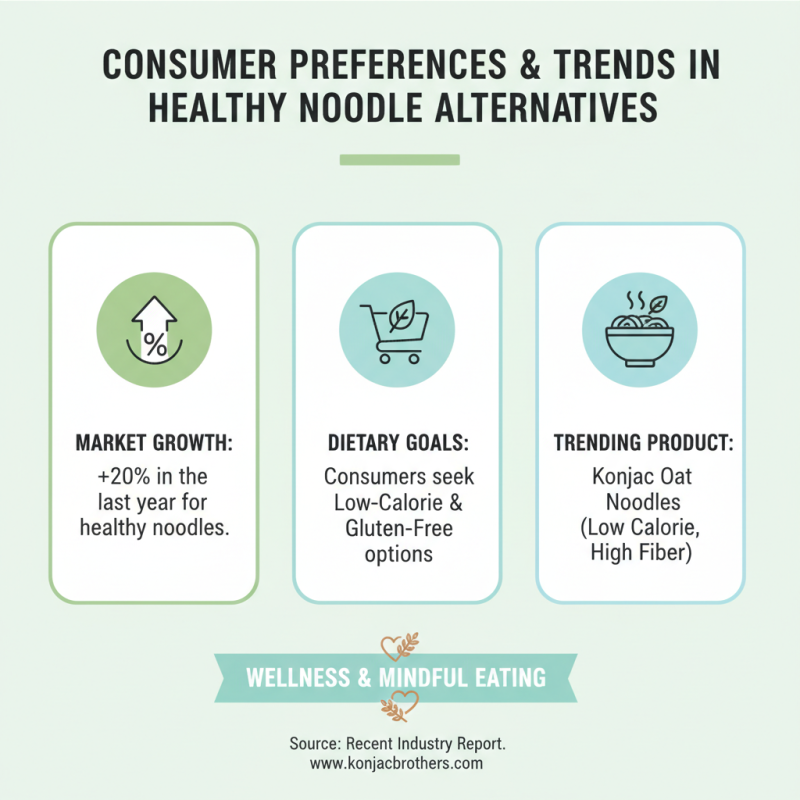
Consumer preferences are shifting towards healthier alternatives in the noodle market. According to a recent industry report, the market for healthy noodles has grown by over 20% in the last year. More consumers are looking for options that align with their dietary goals. Low-calorie and gluten-free products are in high demand. This trend reflects a broader movement towards wellness and mindful eating. Konjac Oat Noodles, made from konjac root, are gaining popularity for their low calorie count and fiber content.
Research indicates that 50% of noodle consumers are now trying healthier options. Some cite health benefits like improved digestion and weight management. However, not all consumers are familiar with these products. This represents a gap in the market. Education about the nutritional advantages of Konjac Oat Noodles is essential. Manufacturers should consider informative marketing strategies. Highlighting how these noodles can fit into a balanced diet may attract more customers.
Tips: Always check nutritional labels. Awareness can lead to better choices. Additionally, experiment with flavors and cooking methods. Simple adjustments can enhance taste. Rethinking noodle consumption can lead to surprising health benefits and culinary creativity.
FAQS
: Konjac zero noodles are low-calorie, high-fiber noodles made from the konjac plant.
People prefer konjac noodles for their health benefits and low carb content.
Yes, they are gluten-free and fit many dietary restrictions.
Some consumers find the texture chewy and unusual.
Innovative recipes and clear labeling can help educate consumers.
Exporters deal with fluctuating demand and strict regulations in foreign markets.
Misunderstanding regulations can lead to shipment delays or rejections.
Maintaining quality and consistency in sourcing konjac is a major concern.
Increased competition pressures exporters to innovate and lower their prices.
Investment in technology and efficiency could enhance production processes.
Conclusion
Konjac Zero Noodles have gained popularity in the health food sector due to their low-calorie and high-fiber content, making them an attractive alternative for consumers seeking healthier dietary options. The market for these noodles in China is expanding, driven by increasing global demand and a growing awareness of the associated health benefits. Key players in this sector are enhancing their production capabilities to meet the requirements of various international markets, as evidenced by notable export statistics and trends.
Despite the opportunities presented by the global market, China's Konjac Zero Noodles exporters face several challenges, including competition and supply chain complexities. However, the future looks bright with potential growth avenues in innovation and product diversification. As consumer preferences lean towards healthier noodle alternatives, the Konjac Zero Noodles industry is well-positioned to capitalize on this trend, further solidifying its presence in health-conscious diets worldwide.

 86+09153618258
 Contact Email